Wednesday, February 12 2014 18:19
Expert: Armenia's banking system stops serving economy's interests due to shortage of "good" customers
ArmInfo. The banking system of Armenia is experiencing a severe shortage of creditworthy borrowers and is surviving due to revolving credit facilities. This is the dismal assessment of banking experts who comment on the financial and economic situation in Armenia and its impact on the condition of the banking sector.
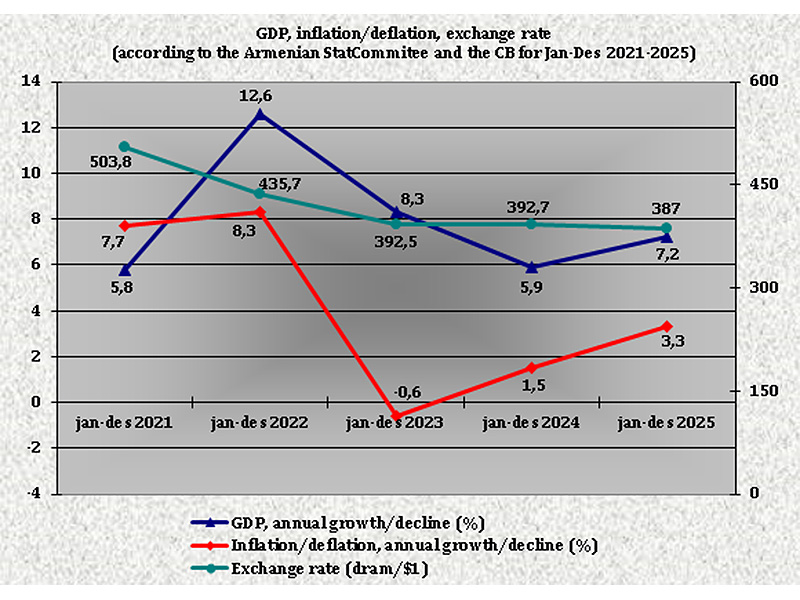
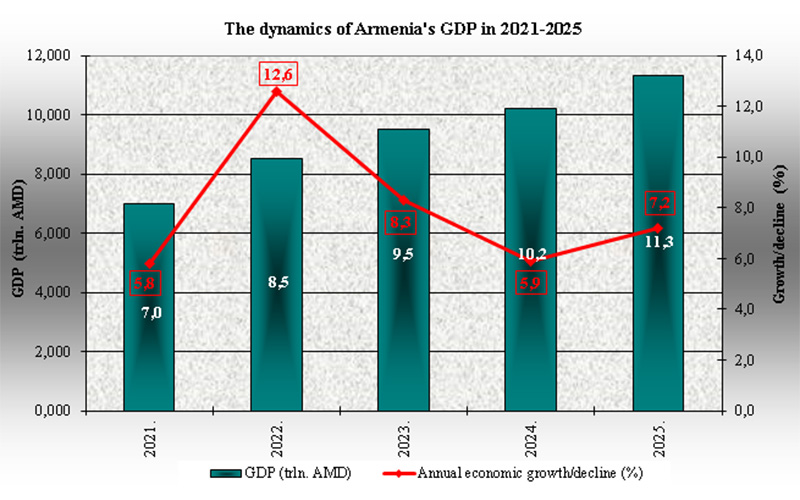
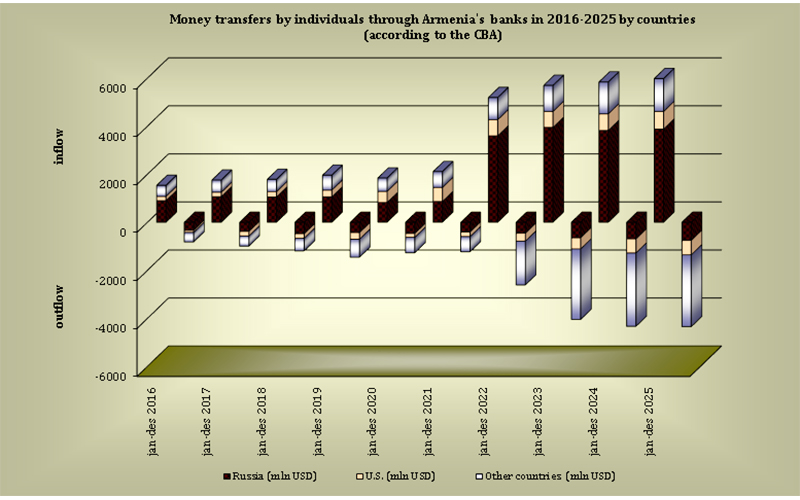
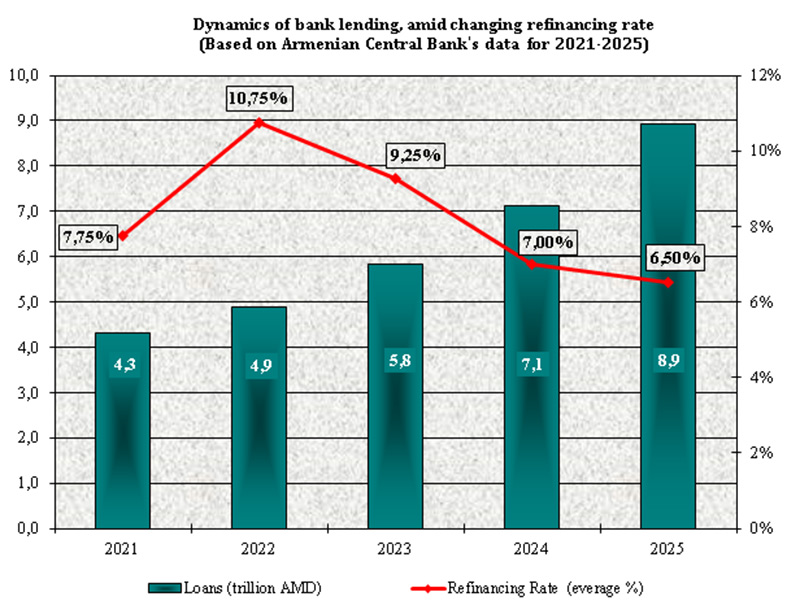
Bankers themselves confess that the banking system of Armenia stopped serving the interests of the real sector of economy a couple of years ago and is surviving mostly due to the debt restructuring. "Armenia lacks correlation between the GDP growth and the level of lending to real economy. Occasionally, the correlation is even negative. Meanwhile, the banks seem to continue financing economic entities. This means that the bank money fails go to economy. What is really going on is large-scale refinancing of loans and outflow of capital. These two factors explain the negative correlation between the GDP growth and the lending level".
Bankers point out the deterioration of the social conditions of citizens who are simply forced to apply to the banks repeatedly. At the same time, the banks reproach the citizens for excessive prodigality: "Our compatriots have acquired the debt bondage syndrome - an American disease of living on credit. Moreover, people are borrowing money to buy not only food and clothes but also expensive smartphones".
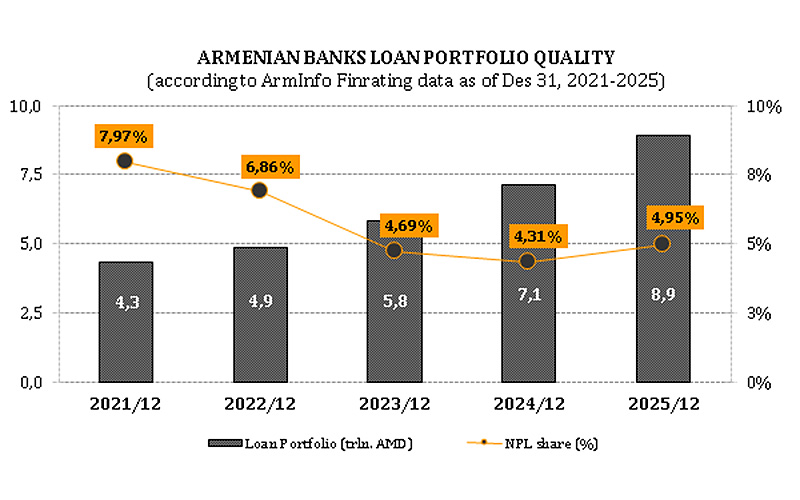
According to the bankers, the system has come across the problem of continued lending reduction due to the shortage of "good" customers. Under the current conditions, experts expect the banks to become fewer within the next three years. "There will be no more than 15 banks in the market. In a perfect world there should be no more than 10 banks. They will be able to ensure optimal distribution of customers among themselves and to maintain the operating profitability at the same time", experts say.
Bankers believe that the inevitable consolidation will help restore the former investment attractiveness of the banking system. "The average Return on Equity (ROE) in the banking system dropped to 8% in 2013. Not a single shareholder will invest money in the banking sector with such a ROE. As regards investors, they would prefer deposits with the yield of 12% p.a.", experts say.
According to the Bulletin "Financial Ratings of Armenian Banks" by the Agency of Rating Marketing Information (ArmInfo), over the pre-crisis period (in 2007) the average ROE in the Armenian banking system was 13%. During the active phase of the crisis (in 2008-2009) the given index dropped to 5%. Afterwards, for two years running (in 2010 and in 2011) the ROE in the banking system rose to 10%. At the yearend of 2013, however, ROE fell to 8%.
Banking experts assure that the real condition of the Armenian banking system is not reflected in the indices published by the banks. The banks are exaggerating their financial indices and creating an illusion that the banking system keeps on developing.