

ArmInfo. International rating agency Fitch Rating released new review on
Armenian Bank System. Particularly it notes.
Recapitalisation Completed:
The Armenian banking sector has entered 2017 in better shape as the recapitalisation required to meet the increased minimum capital standard from 2017 has been completed. Sector capital grew by about AMD164bn in 2015-2016 (36% of the end-2014 stock), following the central bank's announcement of new capital requirements in 2014. As a result, capital buffers have improved markedly: the total capital adequacy ratio (CAR) was up to 20% at end-2016 from 16.2% at end-2015 and 14.5% at end-2014.
Sector Consolidation:
The recapitalisation requirements mostly affected the mid-sized and small banking segments, triggering M&A activity. In 2016, the number of banks decreased to 17 from 21, and we view further consolidation as likely as competitive pressures intensify. Market shares of the top 10 banks grew most notably in 4Q16, driven by very rapid credit growth at Ameria and Anelik (mainly cash-backed transactions with related parties and/or clients) and, to a lesser extent, by M&A deals involving Ardshinbank and Ararat.
Growth Trends Mixed: Credit growth has been moderate (6% in 9M16) and uneven across the sector. Foreign-owned lenders were mostly deleveraging, focusing on asset quality issues, but expansion by a few domestically owned banks added a further 10% to sector loan growth in 4Q16. Transactions with non-residents accounted for over 70% of this.
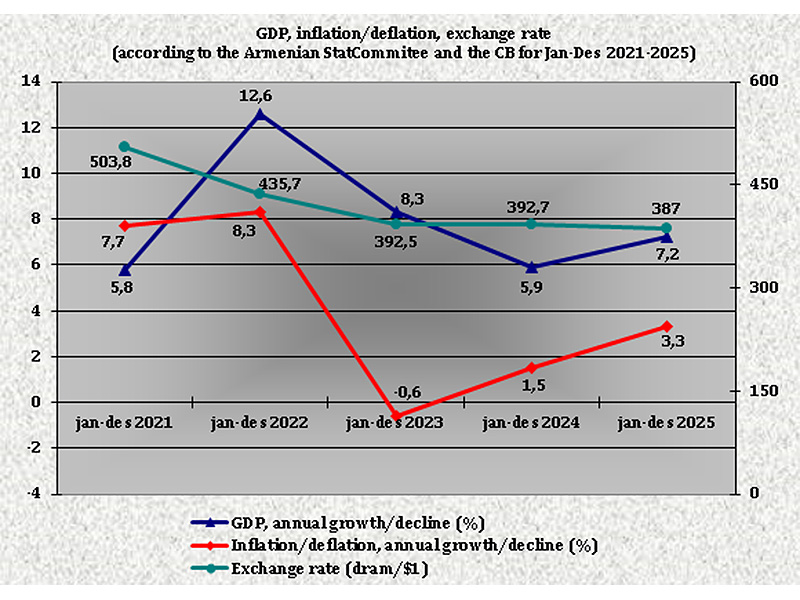
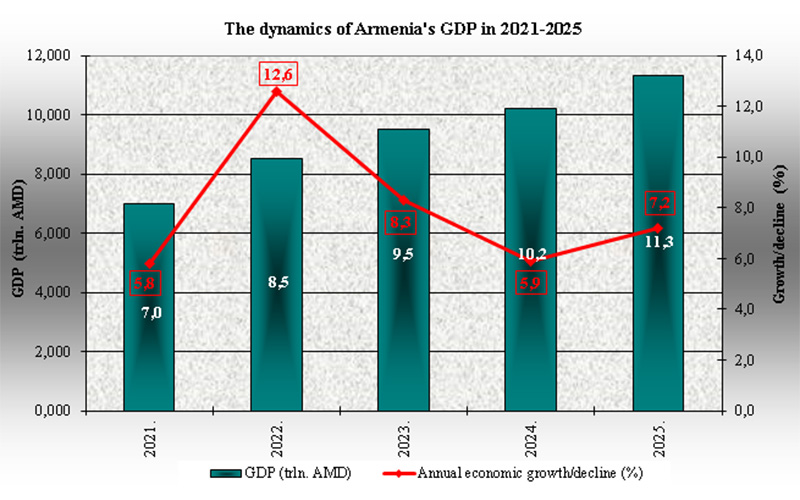
Underlying credit demand has yet to recover in line with improving macro trends (Fitch forecasts GDP growth of 2.0% in 2017 and 2.9% in 2018, up from 0.2% in 2016) and new lending will remain moderate.
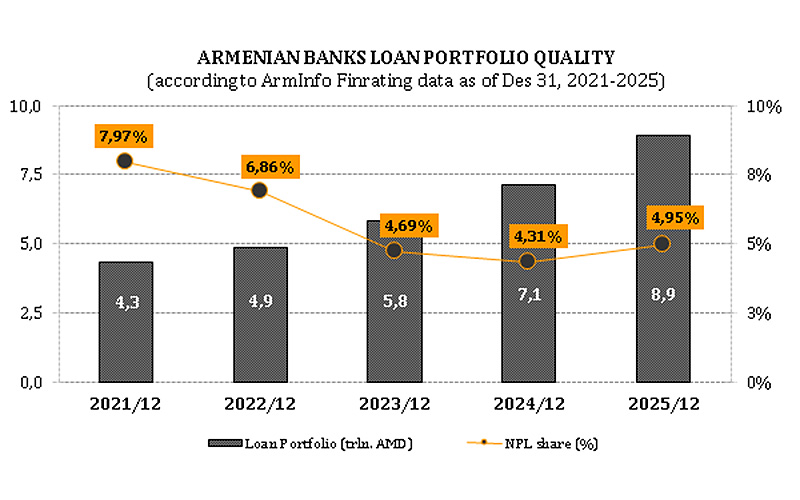
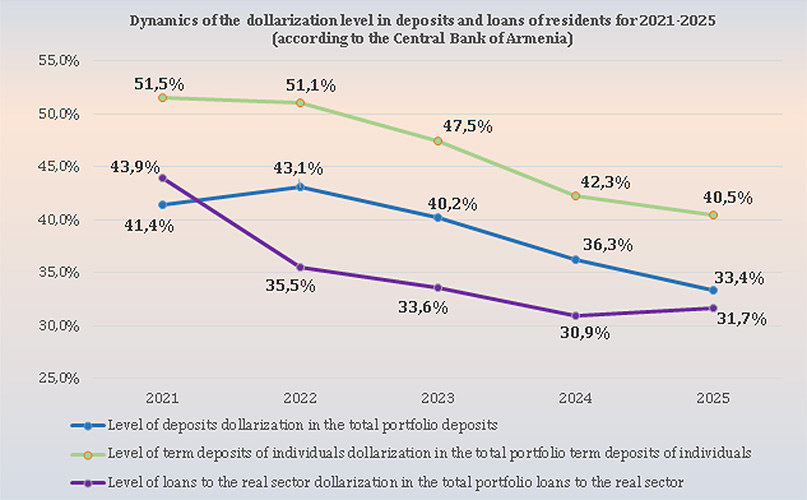
Asset Quality Stabilisation: The NPL ratio was down to below 7% at end-2016 (end-3Q16: 9.7%), reflecting both the denominator effect from portfolio growth in 4Q16 and balance- sheet clean-up activity accompanying recent M&A deals. Borrower performance remains sensitive to recovery in domestic demand and stability of the dram (63% of loans are in foreign currency).
Profitability Modest: Improving profitability remains a challenge, and will be dependent on growth potential and asset quality trends. Returns on equity are likely to stay low, prompting owners to take strategic decisions on the development of their banking businesses.
What to Watch
Economy, Currency Stability: We expect a further reduction in sector vulnerabilities, underpinned by the recovering economy and relative currency stability, while stronger capital buffers provide resilience against any recurring pressures on asset quality.
Ratings Impact: Neutral
Improvements in the economy would be supportive of banks' credit profiles, although upgrades are unlikely in the near term, given that the banks are rated in line with the sovereign.