

ArmInfo. The Executive Board of the International Monetary Fund (IMF) completed the fourth review of Armenia's performance under a three-year arrangement under the Extended Fund Facility (EFF), the official website of IMF reports. The completion enables the release of SDR 15.65 million (about US$21.24 million), bringing total disbursements under the arrangement to SDR 66.52 million (about US$90.28 million). The extended arrangement for SDR 82.21 million (about US$111.57 million) was approved on March 7, 2014.
In completing the review, the Executive Board also approved the authorities' request for a modification of the end-December 2016 fiscal balance performance criterion. The revenue shortfall has been mainly due to exogenous factors, and the higher capital expenditure, which is externally financed at concessional terms, in large part reflects a catch-up of past under-execution and provides some counter-cyclical support.
Following the Executive Board's discussion on Armenia, Mr. David Lipton, First Deputy Managing Director and Acting Chair, said:
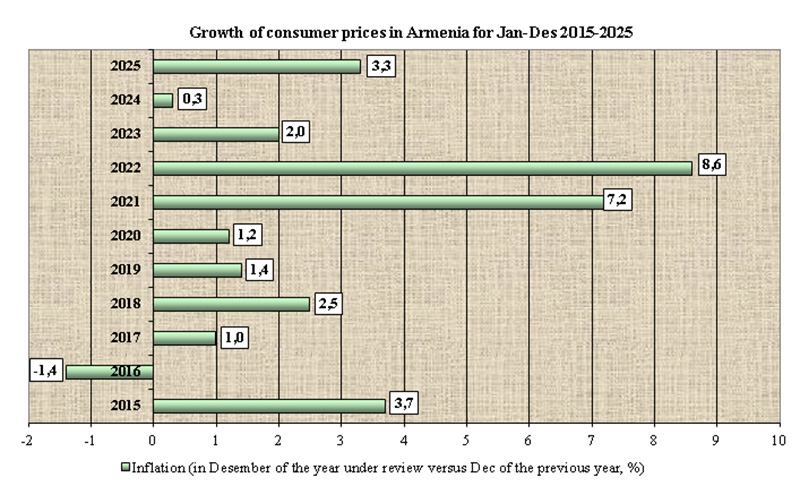
"Program performance has been broadly satisfactory despite continued adverse external developments that have contributed to subdued domestic demand, weak revenues, and deflationary conditions. Looking forward, the outlook remains challenging, calling for sustained policy efforts to secure macroeconomic and financial stability and to foster sustainable and inclusive growth.
"Revenue shortfalls, together with counter-cyclical over-execution of foreign-financed projects, are expected to widen the 2016 fiscal deficit. Nevertheless, the authorities remain committed to fiscal consolidation and debt sustainability, as embodied in their fiscal rule, which aims to ensure that debt remains below 60 percent of GDP over the medium term. In this context, they have developed a fiscal consolidation plan for 2017 and beyond. It will be important to carry out this consolidation plan in a growth-friendly manner. Moreover, the new tax code should support the consolidation efforts, but it is also essential to implement measures that improve the prioritization and monitoring of foreign-financed capital expenditure and that further strengthen revenue administration.
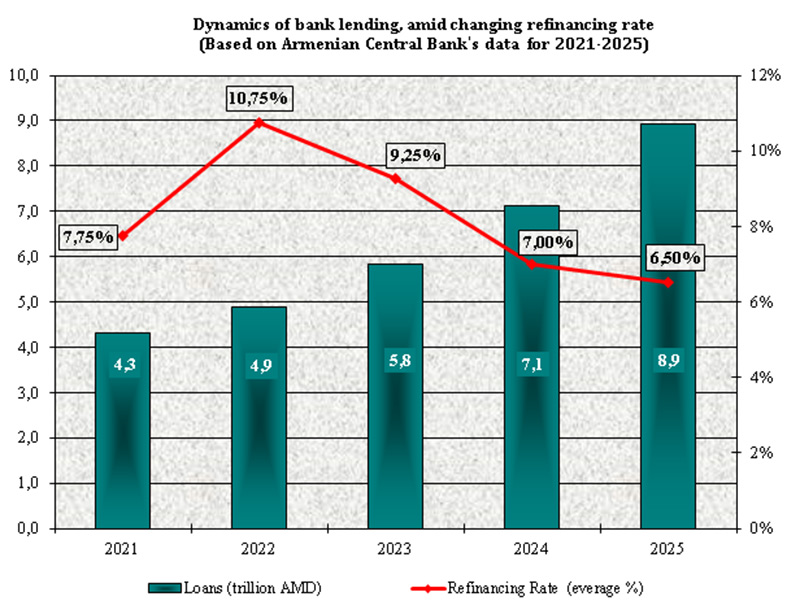
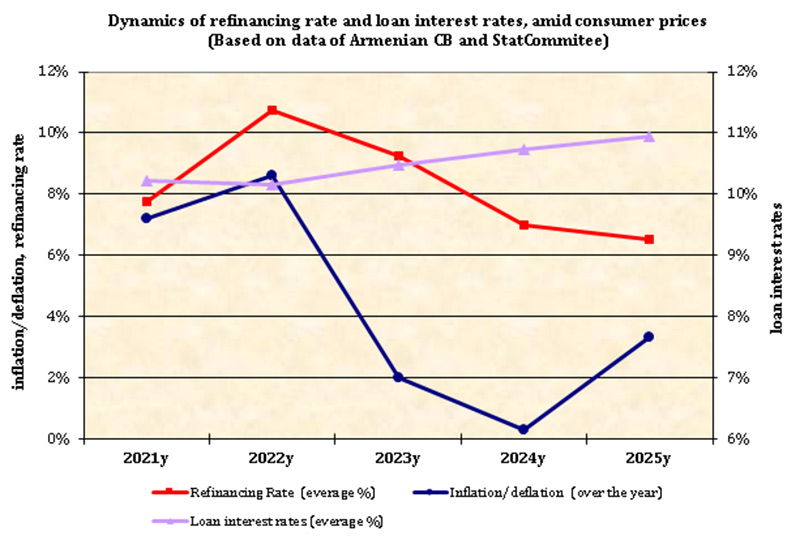
"The central bank's monetary policy easing over the past year has helped reduce key market interest rates and supported a nascent recovery in bank lending. Going forward, the objective should be to bring inflation closer to the CBA's target of 4 percent, while maintaining exchange rate flexibility to respond to external shocks and strengthen competitiveness. At the same time, enforcing the new minimum capital requirements and integrating financial stability considerations into the CBA's operational framework will help support the financial sector's resilience and strengthen the macroprudential framework.
"Pursuing further structural reforms remains essential for fostering sustainable and inclusive growth. Strengthening domestic competition and regulatory reforms are pivotal to creating a more broad-based, private sector-led economy. In this context, the authorities' planned amendments to the law for enhancing economic competition protection is an important step."