

ArmInfo.The Armenian government will send about 4.9 billion drams to reset the debts of water users' companies. The decision was taken at a meeting of the Cabinet on July 4.
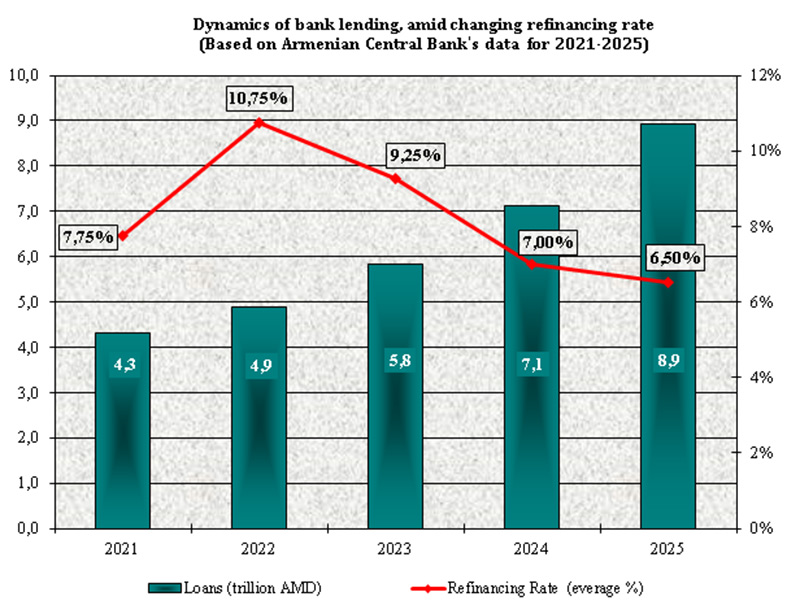
Presenting the draft decision, Minister of Territorial Administration and Infrastructures of the Republic of Armenia Suren Papikyan noted that the water supply system in Armenia is one of the most problematic. Over a long period of time, huge debts have accumulated in it. For a number of offenses, law enforcement agencies of the republic conduct investigative measures. Only in 2018, the minister stressed, the water user companies had a debt to "Ameriabank" in the form of a loan of 6.9 billion drams. For a long period of time, water user companies, as a rule, by the end of the year attracted credit resources of the bank to pay debts for electricity used in the previous year.
The situation was not saved by the decision of the government that provided water users' companies with 7.4 billion drams last year to improve the situation in the system, since these funds were also used to pay off the debts of the previous year. As a result, Suren Papikyan stated, the debts are not reset, and the system does not improve. The new decision of the Cabinet provides for writing off part of the debts of water users' companies, and sending another part to pay off debts. Thus, as expected, by the fall of this year, all debts will be cleared, and the system will finally enter the recovery phase. The minister also said that a draft law was being prepared, according to which all payments for irrigation and drinking water would be made by bank transfer, which would ensure transparency in the water use system.
It should be noted that earlier the General Prosecutor's Office of the Republic of Armenia conducted research in water users' companies, on the basis of which offenses of 2.8 billion drams were revealed. Basically, these violations are associated with fictitious contracting.