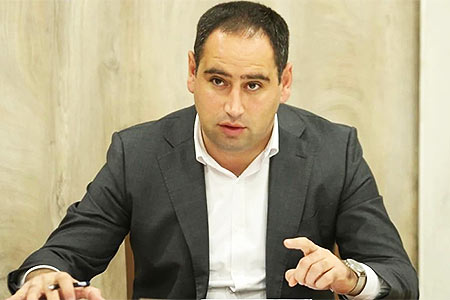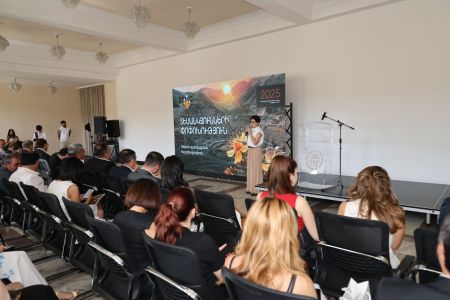


ArmInfo. Small and medium businesses in Armenia do not have a clear idea of the direction the state is heading. Head of Ameria Management Advisory Tigran Jrbashyan expressed this opinion on March 10 during panel discussions as part of an event attached to the study on the SME market carried out by Ameria CJSC.
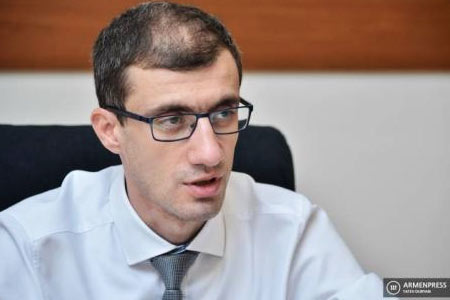
He noted that in the period from 2012 to 2013 Armenian business was ready for long-term investments, since the market had clear rules for the game. "Although these were bad rules, but they were clear ones. Therefore, the business could plan its activities, implement programs, Jrbashyan said.
Today, according to the expert, the business has taken wait-and-see stance and intends to monitor changes in the market. "I'm sure that the clearer the state economic policy, various strategies, tax laws, the faster the situation will reach a higher level," he noted.
Among positive changes recorded since 2013, Jrabshyan pointed to the optimistic attitude of exporters against the background of a deepening pessimistic mood among importers. "I suppose this is due to the export-oriented policies announced by the state,'' he said.
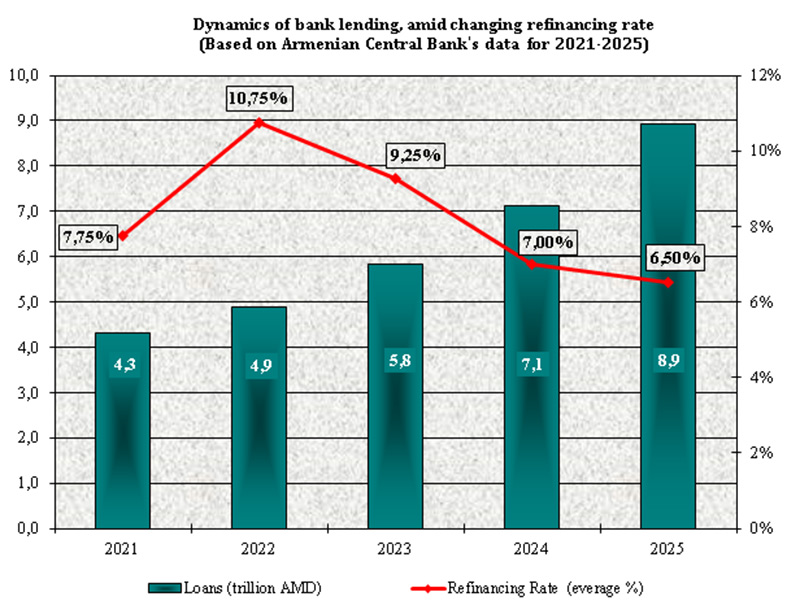
Jrbashyan also called favorable the situation related to the SMEs financial accessibility. Referring to the research, he noted that 86% of respondents said that cooperation with banks had a positive impact on the activities of the latter. In particular, according to him, the total amount of SME financing by banks reached 900 billion drams. "There are certainly positive changes, but it is obvious that SMEs do not have the clear idea of the direction the state is heading," he concluded.
Meanwhile, the head of a consulting company, Sevak Hovhannisyan speaking at the presentation, noted that when we talk about SMEs, we are talking about 3-4 thousand companies, and if mining and infrastructure companies are not considered, the majority of those remaining fully meet the small and medium business standards, therefore, statistics and qualitative data on SMEs in Armenia and, for example, European countries should not be compared.
Moreover, if you apply the full force of laws to these companies, starting from tax and ending with sanitary-hygienic ones, at least half of Armenian SMEs will be potential bankrupt. According to him, the profitability of most SMEs will then be at a very low level. Therefore, the expert did not agree that the goal of the SME development concept is to achieve the inclusiveness and innovativeness of SMEs. This is not serious in the sense that the domestic market does not show demand for these innovative solutions, there are no consumers of such services. Such innovative small and medium enterprises grow around large, including transnational, high-tech companies as their counterparties. In Armenia, talking about the support of such enterprises is a consequence of a logical mistake.