

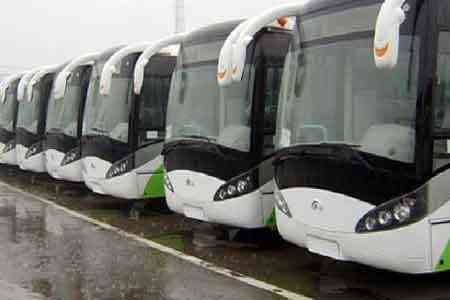
ArmInfo. Passenger carriage in Armenia in January-April 2020 decreased by 38.3% - up to 38,267.6 thousand people, against the growth of 3.1% a year earlier.
According to the RA Statistical Committee, the most significant decline is observed in terms of air transportation - by 40.2% to 605.7 thousand people, followed by road transport - by 38.8% to 32 530 thousand people, and railway - by 17.3% to 90.8 thousand people. Electric passenger transportation also shows a downward trend by 35% - up to 5039.1 thousand people. In general, the passenger flow decreased by 35.9%, amounting to 498.2 million passenger-km.
The volume of cargo transportation in Armenia in January-April 2020 compared to the same period of the previous year increased by 2% (against the decline by 61.3% a year earlier), amounting to 3 877.1 thousand tons.
However, trucking, which accounted for 55.7% of the total volume or 2 160.7 thousand tons, decreased by 4.2% per annum. Air cargo transportation also showed a decline - by 12.5% to 4.9 thousand tons.
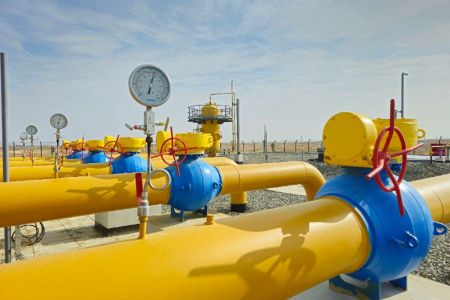
According to statistics, rail freight during the reporting period, by contrast, increased by 8.7% to 976.7 thousand tons, and 734.8 thousand tons of natural gas were delivered via the main pipeline, which is 14.7% more than the indicator a year ago. Cargo turnover increased by 8.5%, amounting to 1645.4 million tons- km.
It should be noted that in Armenia, as part of measures to prevent the spread of the coronavirus pandemic, a state of emergency was introduced from March 16, which will last until June 13 inclusive. In this regard, many types of activities in the first month of emergency were imposed a temporary ban, which was partially lifted in the second half of April. Since May 4, the list of permitted types of business activities has been further expanded to ensure the vital functions of the economy. Public transport was resumed on May 18, with mandatory precautions to be taken to protect against coronavirus infection. Since May 18, business entities that previously fell under a temporary ban on activities also began to work, but so far some catering and service facilities remain closed. The activity of international air, rail, and bus services is still limited. Cargo transportation is carried out in normal mode from the moment of announcement of emergency.