ArmInfo.Within the framework of the Social Investments and Local Development Project carried out by the Armenian Territorial Development Fund (ATDF) , the communities of Akunk and Jrvezh of Kotayk region and Ani Shirak region were provided with another assistance.
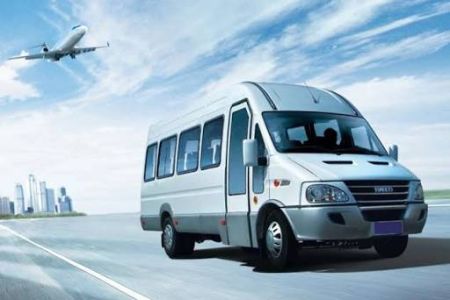
In particular, as reported by the press service of the Ministry of Territorial Administration and Infrastructures, the Akunk community received a <kamaz> dump truck worth 24 million drams. In total, this community was provided with agricultural and communal machinery for 53.8 million drams.
Within the framework of this program, Ani community received 150 plastic waste bins, for the purchase of which 3.8 million drams were invested. In general, 111.1 million drams were invested in the community. 270 plastic garbage bins were supplied to Jrvezh community, of which 58 have a capacity of 360 liters, 66 - 660 liters and 146 - 770 liters. The total investments in this community reached 19.1 million drams.
To note, the Social Investments and Local Development Project is implemented through loans received from the World Bank, with 25% of each individual program co-financed by the communities and the RA government. In March 2020, the World Bank's Board of Executive Directors approved a EUR 17.9 million loan to Armenia for additional financing of the Social Investments and Local Development Project. The program aims to help the Armenian government improve the quality, accessibility and usability of intercommunal infrastructures and services. Infrastructure and services considered to be public property will be financed in 55 communities of Armenia. The program will allow the population of Armenian communities through micro-programs to use the restored and modernized social infrastructures in kindergartens, schools, medical institutions, water supply systems, irrigation and drainage systems, etc.