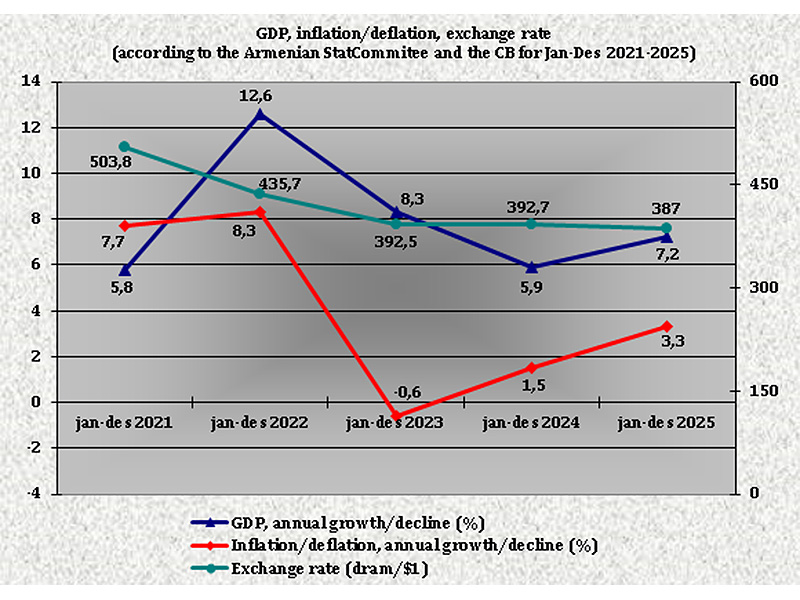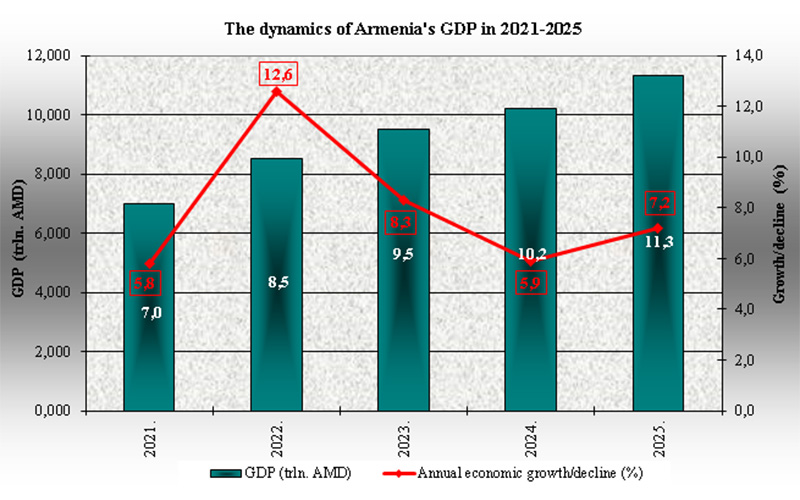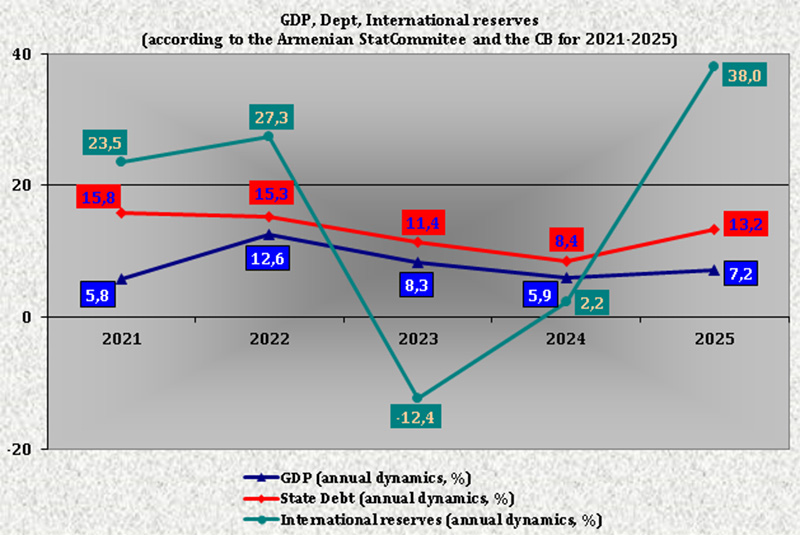


ArmInfo. In Armenia, economic activity decreased in January- December 2020 by 7.5% per annum, against an increase of 7.8% in 2019.
Previously, the industry growth drivers in the reporting year were in recession, and only the agricultural sector and the energy complex were able to get out of the recession for growth. According to the final data of the Statistical Committee of the Republic of Armenia, in December 2020 alone, an increase in economic activity by 27.7% was recorded, with an annual decline of 8.8% (compared to December 2019), while in 2019 both December and annual dynamics were upward - 24.9% and 10.7% respectively.
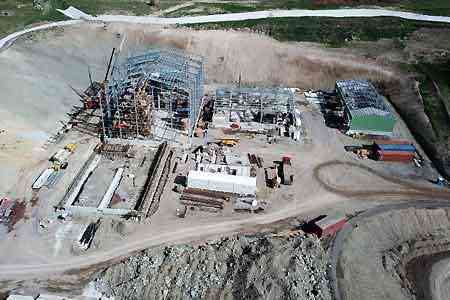
The decline in economic activity in January-December 2020 came mainly from the service sector - by 14.7% and the trade sector - by 14%, to a lesser extent from the construction sector - by 9.5% and the industrial sector - by 0.9% ... At the same time, the energy complex and the agricultural sector turned towards growth by 1.2% and 1.4%, respectively. A year earlier, in January-December 2019, the highest growth was demonstrated by the service sector, the industrial sector and the trade sector - 15%, 9% and 8.9%, respectively, against the background of a modest growth in the construction sector by 4.6%, with a decline in the energy complex by 1.9 % and the agricultural sector by 4.2%.
The industrial product price index increased in January-December 2020 against the same period of 2019 by 2.4%, in December 2020 against December 2019 - by 4.6%, and only for December 2020 - by 2.6%, against, respectively, growth by 0.5%, 1.4% and 2.6% in the same periods in 2019.
On a monthly basis (for December 2020), without data on the agricultural sector, all other spheres showed growth: the construction sector - 77.7%, trade - 34.6%, the service sector - 16.3%, the energy complex - 15.9%, industrial sector - 14.4%. A year earlier, in December 2019, growth was also observed in these areas: construction - 85%, trade - 27.7%, energy complex - 24.7%, services - 21%, industry - 14.7%. On an annualized basis (December 2020 to December 2019), without data on the agricultural sector, in other areas there was a decline: services - 22.6%, trade - 17.4%, industrial sector - 5.8%, energy complex - 4.2% , construction - 3%. A year earlier, in December 2019 to December 2018, these areas were in growth: the service sector - 16.6%, the energy complex - 14%, the industrial sector and trade - 6.4% each, construction - 4.9%.
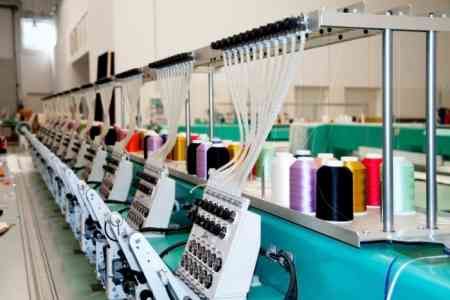
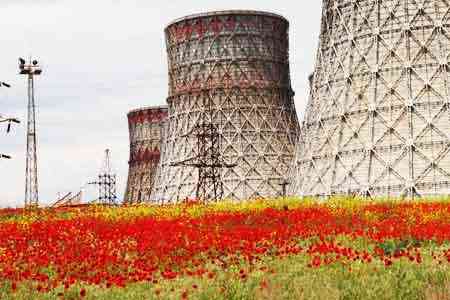
According to statistics in January-December 2020, the absolute leadership is held by the trade sector with a volume of 2.9 trillion. drams ($ 5.8 billion). The industrial sector held the second place - 2.1 trillion ($ 4.2 billion), the service sector held on to the third place - 1.7 trillion drams ($ 3.5 billion), the fourth - the agricultural sector - 819.3 billion drams ($ 1.7 billion), and the fifth - construction sector - 413.8 billion drams ($ 846.3 million). The volume of electricity generation in January-December 2020 amounted to 7723.4 million kWh, of which 732.9 million kWh. - only in December.
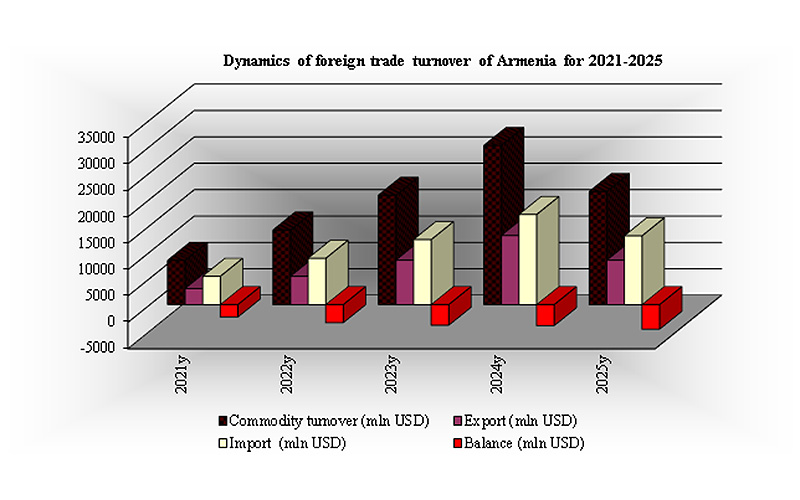
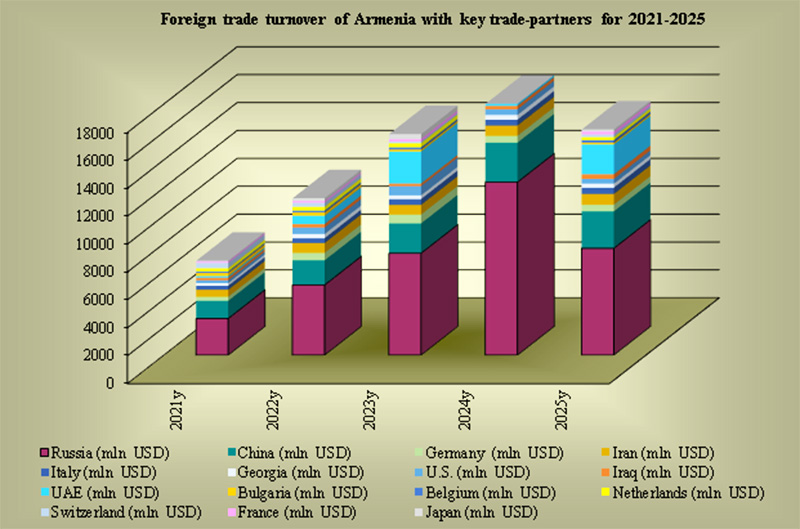
At the same time, Armenia's foreign trade turnover in January-December 2020 amounted to 3.5 trillion. drams ($ 7.1 billion) with a reversal of annual dynamics from 10.4% growth to 13.2% decline. In its structure, the volume of exports dropped less significantly than imports, while a year earlier both items were in almost the same high growth. Thus, the volume of exports dropped from a 9.4% growth to a 3.9% decline, amounting to 1.2 trillion drams ($ 2.5 billion), and imports from 10.8% growth to a 17.7% decline, amounting to 2.2 trillion. drams ($ 4.6 billion).
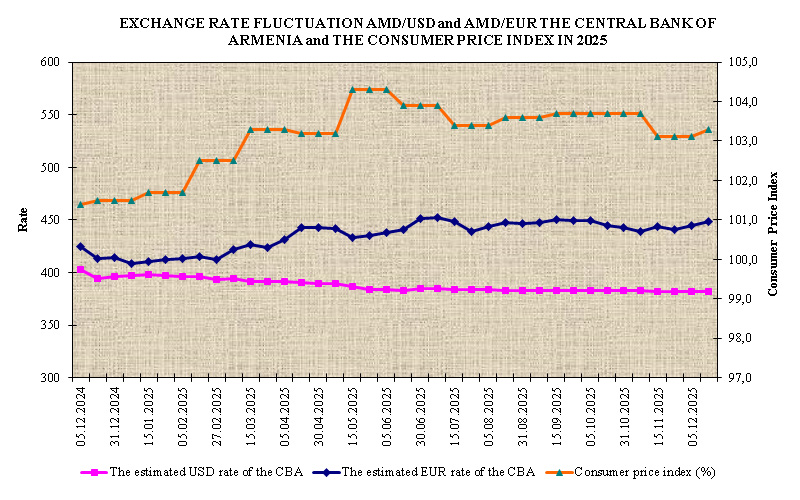
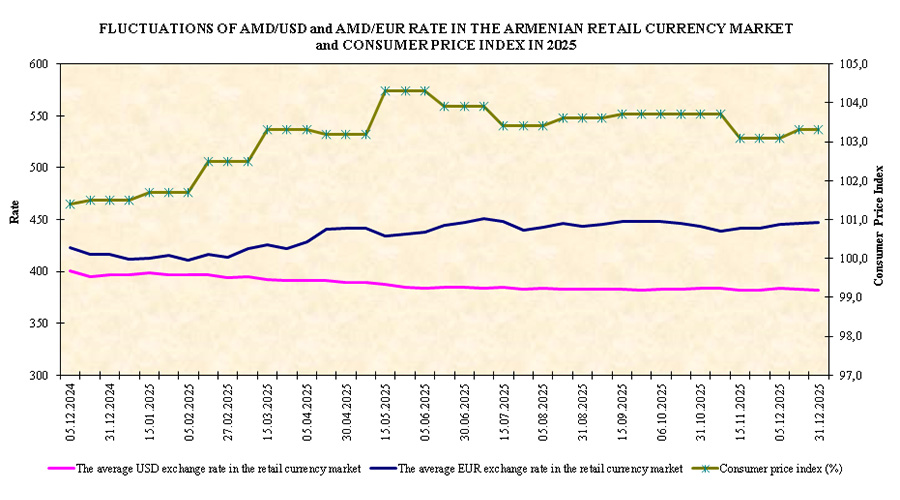
The average calculated AMD exchange rate in December 2020 was 518.91 AMD / $ 1, and in January- December 2020 - 489.01 AMD / $ 1, versus 478.24 AMD / $ 1 in December 2019 and 480.45 AMD / $ 1 in January -December 2019. Note that according to the October forecast of the World Bank for 2020, a decline in Armenia's GDP was expected by 6.3%. In its November forecast, the IMF predicted Armenia's GDP to fall by more than 7% in 2020. And according to the new forecast of the Central Bank of Armenia, a decline in Armenia's GDP in 2020 was expected by 7.8%.