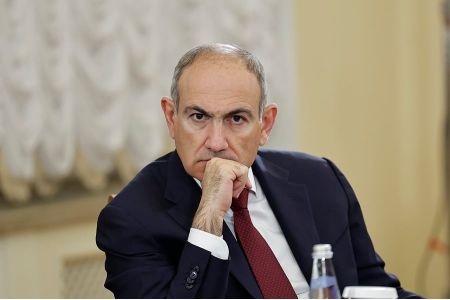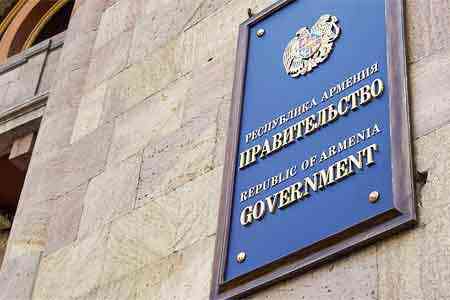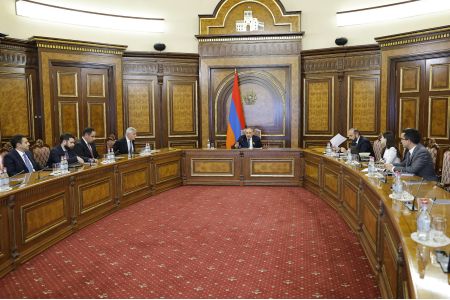
ArmInfo. Prime Minister Nikol Pashinyan held a consultation on the 2020 agricultural season's results and the activities projected for 2021.
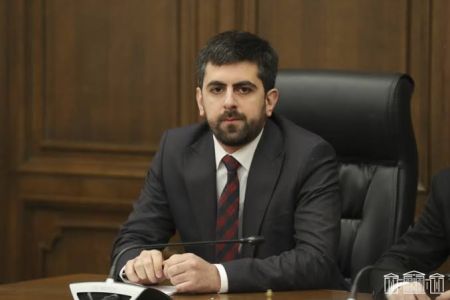
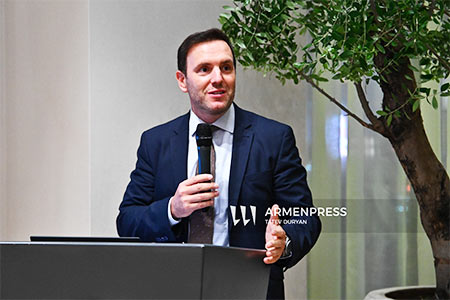
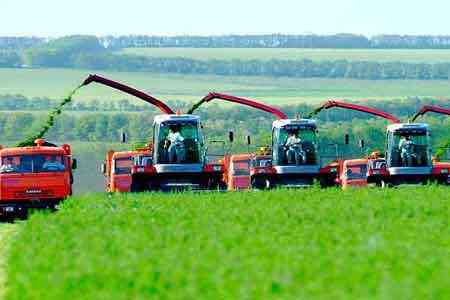
Deputy Minister of Economy Arman Khojoyan reported that according to data available from the Statistics Committee, GDP grew by 1.4% in the agricultural sector in 2020. 2.3% growth was recorded in crop production and 0.6% growth - in livestock. 228,000 hectares of arable land were cultivated, with some 155,000 plots of irrigated land. Among the state-supported programs, the leasing program gained strong momentum in 2020, under which 295 units of agricultural machinery were acquired, while the number of beneficiaries almost doubled.
Tangible growth has been registered in the program of intensive orchards. The volume of intensive orchards increased 10-fold to 518.6 hectares in 2020 as compared to 53.2 hectares cultivated in 2019. The number of beneficiaries increased from 17 to 53. According to the Deputy Minister, considering the ever-growing interest in the program, the Ministry plans to introduce a systemic approach in 2021, which will feature a training component. Short-term and long-term farming courses will be held at the Agrarian University of Armenia.
A rural insurance program was implemented in 6 regions, covering 2 crops. In 2021, the program shall be implemented nationwide, covering a total of 11 crops. The pedigree cattle breeding program proved quite effective last year. It was facilitated by the UNDP- supported Sustainable Communities program and the Miasin project, implemented in cooperation with the Ministry of Economy of the Republic of Armenia. The project implies construction of "smart" livestock buildings.
20 smart livestock buildings were built and 35 contracts were signed in 2020. The project is being implemented in the border settlements of Gegharkunik and Vayots Dzor Marzes. It will be implemented in Syunik Marz from February 15. Animal vaccination activities and preparations for the planned stock-taking campaign are underway.
With reference to purveying and procurements, the Deputy Minister noted that 98,000 tons of fruit and vegetables were procured in 2020, which is 11,000 tons more than the previous year's procurements. Mapping of grape plantations has been carried out on the way to setting up a vineyards register; these activities will continue this year in order to expand the geographic coverage.
To propel the exports of Armenian wines, a cargo storage hub and an online platform will be established in Berlin, through which Armenian wines shall be available across the European continent. Efforts are underway to this end.
Legislative reforms have been made in the field of brandy production. Talks are currently underway with the management of a chain of three Russian supermarkets to support the processing and export sectors, set up a representative office, a logistics center in Armenia, as well as to organize direct exports of local products to Russian supermarkets.
Under a World Bank-backed lending program, relevant contracts have been signed with 57 processing companies to upgrade their production facilities and introduce food safety systems. As for the state-subsidized agricultural credits, the number of loans has increased more than 4 times in 2020 as compared to 2019. The loan portfolio has almost doubled in volume.
The Premier was next informed about the 2020 results and the upcoming projects in the field of pasture management and infrastructure development. Mediating WB loans, a veterinary service center was built in Hrazdan, Kotayk Marz. The auditorium of the Faculty of Animal Husbandry of the Agrarian University was supplied with modern equipment, and the construction of pasture irrigation systems was completed in 8 communities.
By this yearend a veterinary service center will be set up in Tumanyan community of Lori Marz; pasture irrigation systems will be built in 11 communities; livestock pools will be built in 70 communities, which will be used to take stock of and vaccinate animals.
The Deputy Minister noted that the state-supported agricultural programs will be continued in 2021.A program of state assistance for the production of spring grains, legumes and forage crops will be presented in the near future.
Prime Minister Pashinyan hailed the positive dynamics and called for consistent implementation of effective programs, noting that no strategic support program should be left outside the state assistance framework.
The Premier next inquired about the current situation in the field of water use. Reference was made to the water supply system reform and the management of debts accumulated by water users. Issues of improving the system's profitability were discussed during the meeting.
The Prime Minister instructed to explore different options for improving accuracy in the planning of water use, minimizing water losses, finding systemic solutions to the problem of arrears and submit finalized proposals for further discussion.
It should be noted that according to the Statistical Committee of the Republic of Armenia, the gross agricultural product of Armenia, taking into account fish farming, amounted to 850.1 billion drams, which is 1.5% higher than a year ago. Agriculture alone amounted to 819.3 billion drams, with an increase of 1.4% per year, of which 383.8 billion drams fell on crop production (an annual increase of 2.3%), 435.5 billion drams for livestock (an annual increase of 0, 6%), and 30.7 billion drams - fish farming (growth by 4.4% per annum)