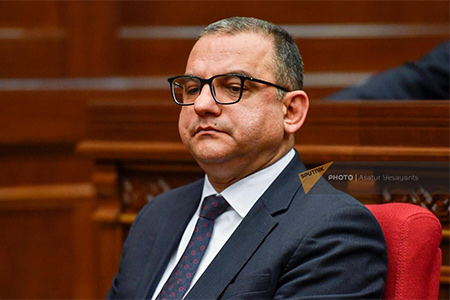


ArmInfo. The Central Bank of Armenia is confident that inflation will return to its target indicator next year. The Chairman of the Central Bank of Armenia Martin Galstyan expressed this opinion during a press conference on May 4.
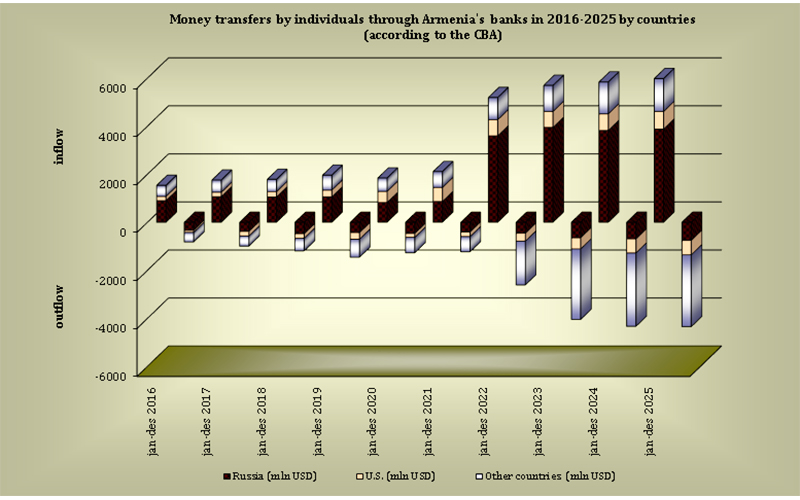
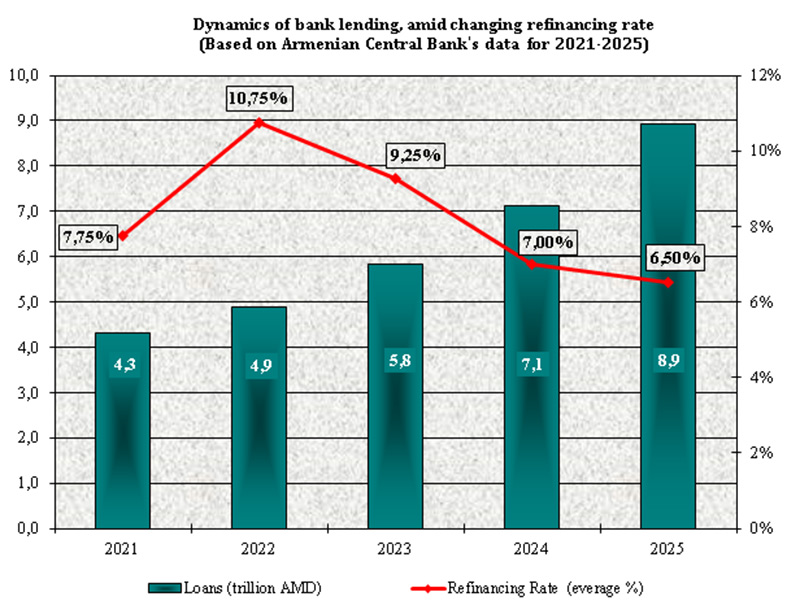
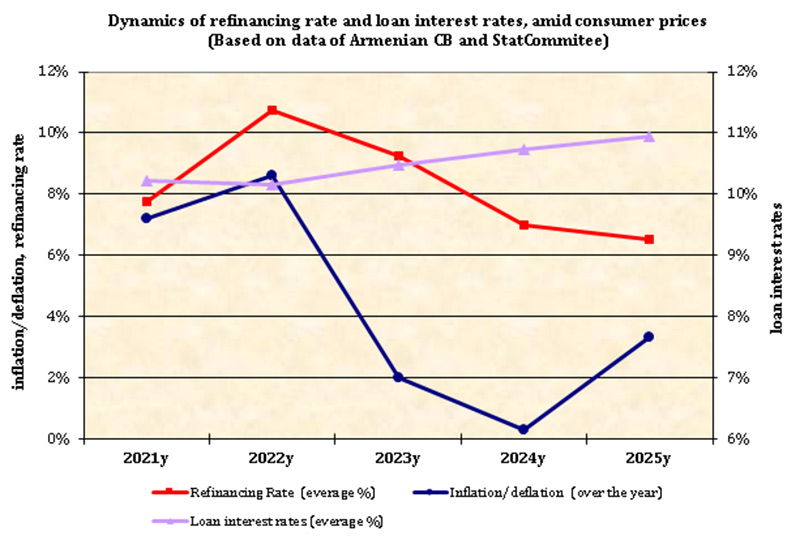
In particular, he explained that in addition to external factors, the inflation rate was also affected by the recovery in demand in the external sector. "We see that countries are changing their forecasts of economic growth, additional demand is being formed, which, according to our expectations, will be inflationary. Secondly, there are positive shifts in the domestic economy. We see that demand is recovering faster than expected, besides, there is a serious increase in transfers. This allows us to believe that inflationary manifestations are forming in the domestic economy. And we raised the refinancing rate to anchor these inflation expectations, "he said.
At the same time, Martin Galstyan noted that failure to resolve the inflation issue is fraught with serious damage to the economy in the form of failed potential investments. <Because everyone knows that investments love a stable and predictable environment. And I want to assure investors that those responsible in this country for the macroeconomic state are pursuing appropriate policies so that you have no reason to worry about your investments, "he said.
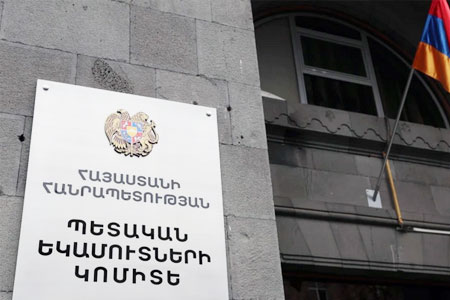
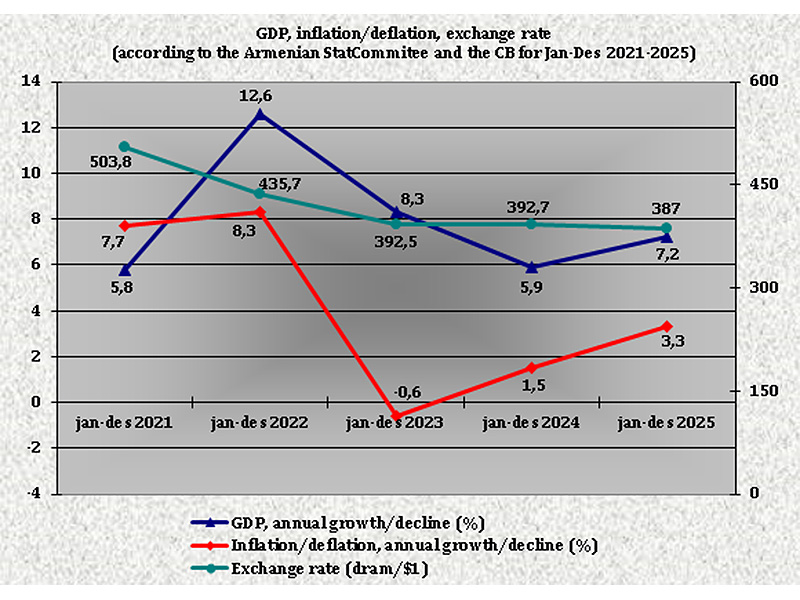
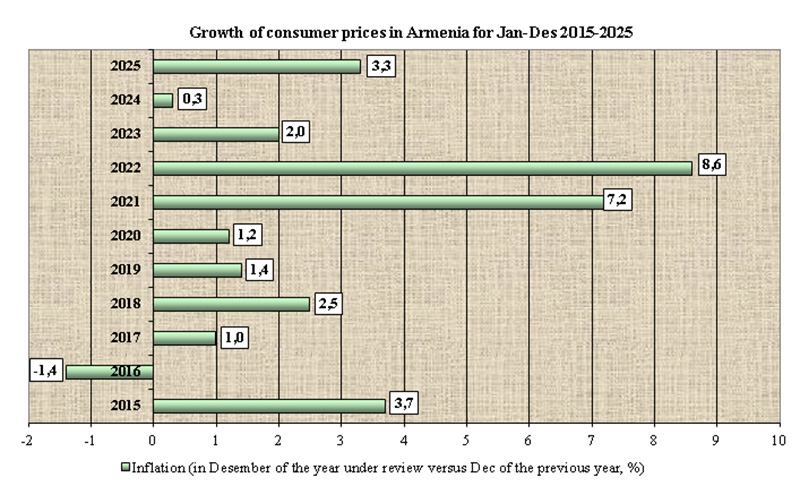
Note that, according to the Statistics Committee, in the first quarter of 2021 compared to the same period in 2020, inflation was recorded at 5.2%, against deflationary 0.1% a year earlier. Moreover, food products rose in price by 7.4% in y-o-y terms, non-food products by 6.9%, while tariffs for services increased by 1.7%.
In March 2021 versus March 2020, inflation was recorded at 5.8% (against deflation of 0.1% in March 2020 versus March 2019), provoked by an increase in the price of food products by 7.6%, non-food products by 8.4% and an increase in tariffs for services by 2.2%.