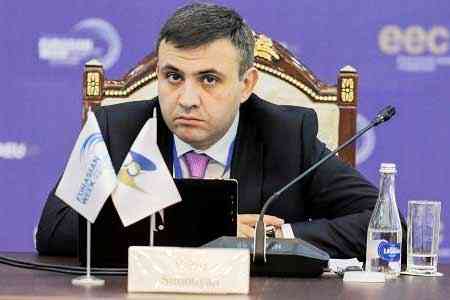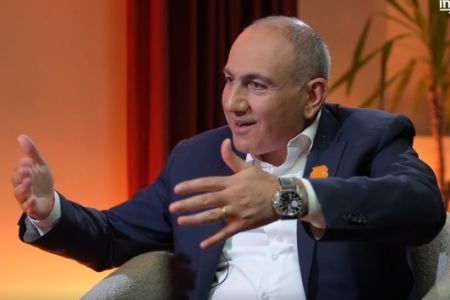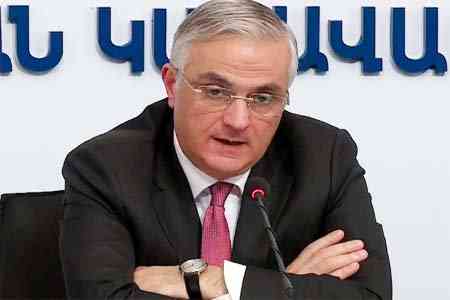


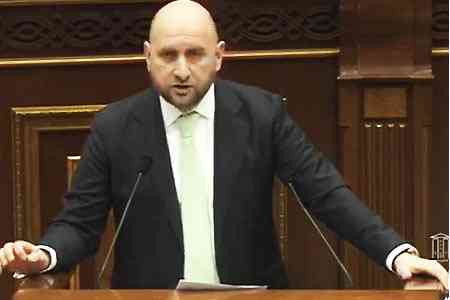
ArmInfo. The Central Bank of Armenia forecasts a slow recovery in aggregate demand and economic activity in 2021, governor of the Central Bank of Armenia (CBA) Martin Galstyan stated, speaking in the Armenian parliament.
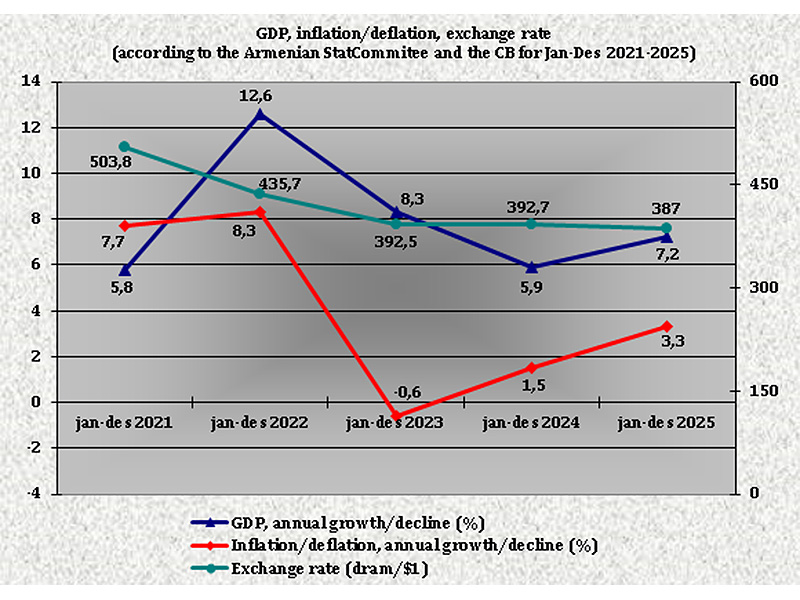
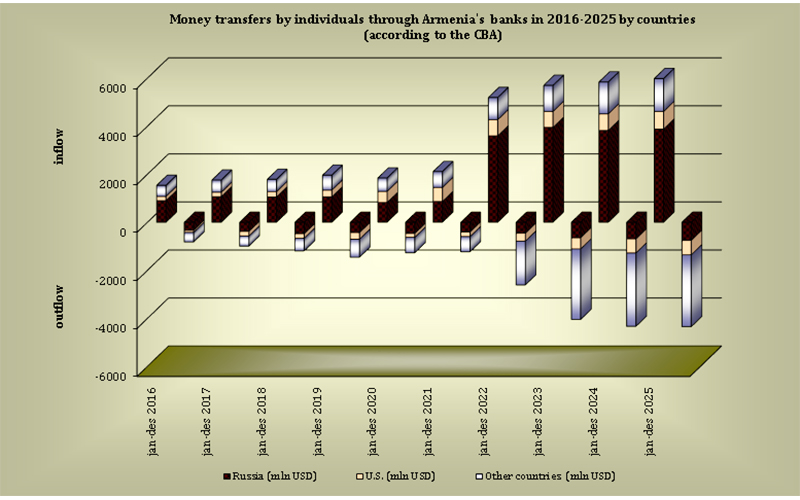
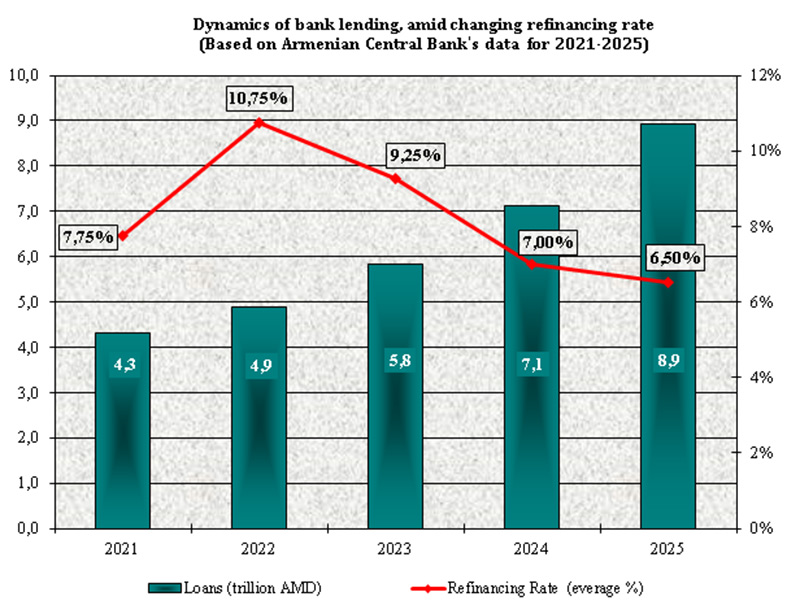
According to him, the economic recovery will take place in the context of mitigating the pandemic threat against the backdrop of, however, continuing uncertainty. But at the same time, macroeconomic indicators already indicate positive trends, especially in the industrial and service sectors. Moreover, the pace of economic recovery exceeds the preliminary forecasts of the Central Bank of Armenia. In this context, the recovery in domestic demand was influenced by the increase in the volume of foreign private transfers and the revitalization of the credit market.
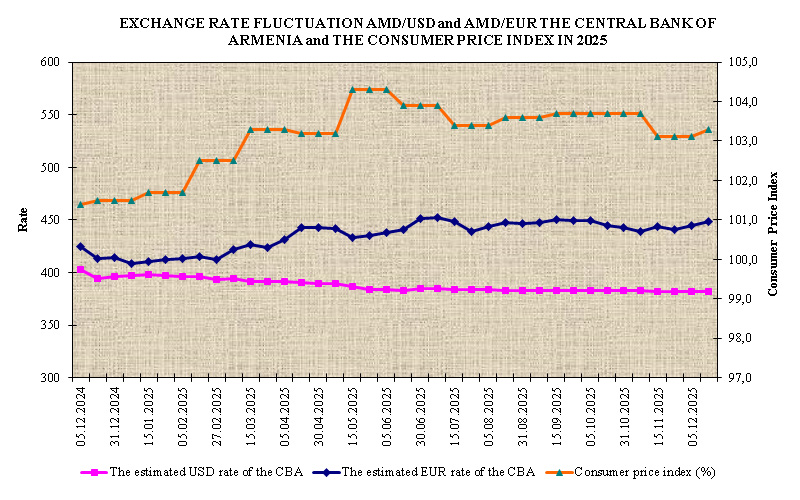
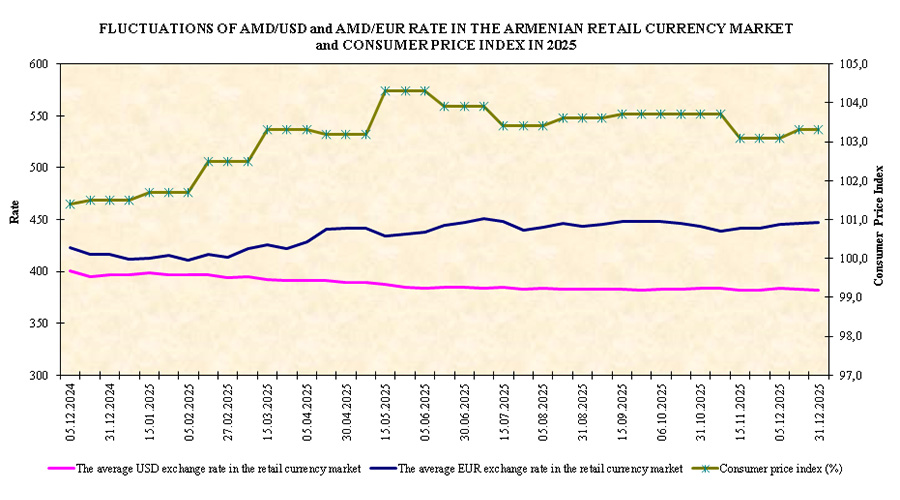
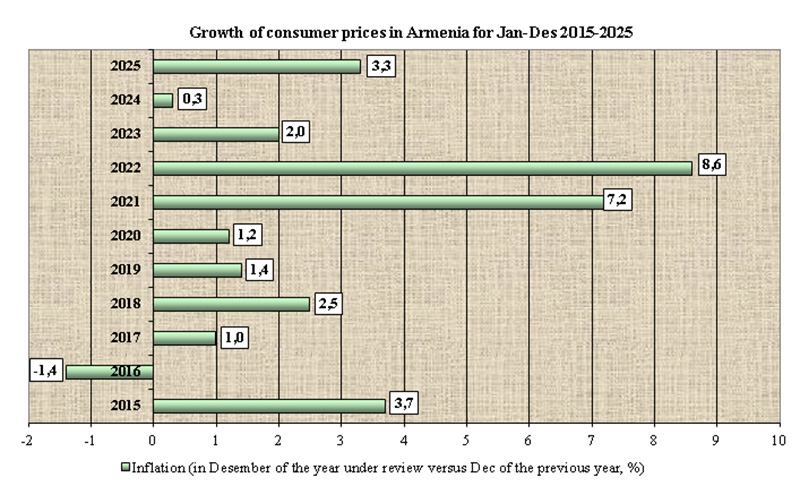
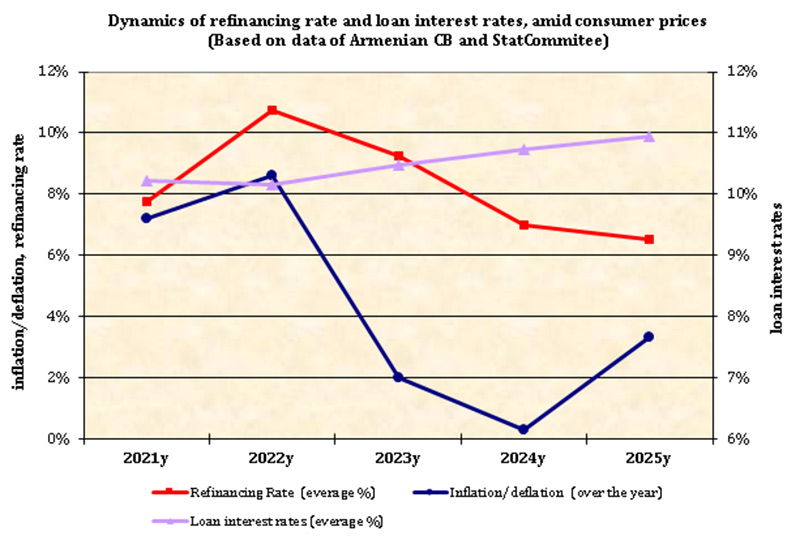
At the same time, as Galstyan stressed, starting from the end of last year, inflation began to grow significantly in the country, which, according to the CBA, was due to the rise in prices on international commodity markets, also due to the recovery of the world economy. However, according to Galstyan, this rise in prices, by its nature, is of a short-term nature and by the end of the year the Central Bank expects a decrease in inflation rates, which will allow the country to approach the target inflation threshold of 4% per annum. And nevertheless, despite certain inflationary trends, the Central Bank assesses them as manageable, although household surveys show that the population has already developed some inflationary expectations, which may create certain risks in the future. In this regard, the Central Bank of the Republic of Armenia will continue to pursue a consistent monetary policy aimed at neutralizing inflationary risks, taking into account the fact that decisions do not affect the positive recovery of domestic demand.
According to Galstyan, despite some tightening of monetary policy and some regulations related to reserves for losses, the policy of curbing consumer price growth and maintaining macroeconomic stability continues to be the most important condition for neutralizing future risks, for forming a low interest rate environment in the country to ensure investment growth and healthy economic growth. He also called it important that in the context of the ongoing political election processes in the country, the solution of short-term problems should be viewed exclusively through the prism of long-term stable economic growth, which are due to the stability of the financial system, strengthening of credit payment discipline and the inadmissibility of violating the institution of contract between lenders and borrowers. Galstyan, at the same time, shared the information voiced during the meetings at the Central Bank by the heads of banks and credit companies, which intend to tighten the conditions for retail consumer lending, including through a slight increase in rates, until the effective demand from the population is fully restored. As a result, the Central Bank expects in the current 2021 a slight decrease in the volume of consumer lending, except for mortgage lending, which will increase.
Galstyan noted with regret that in connection with the pandemic and the Karabakh war, it was not possible to launch the program to revive the securities market last year. Potential investors, as Galstyan put it, in such conditions, naturally did not show interest in the local market for corporate bonds or shares, promising to speed up this work this year.
To note, in Regulation 2 of the Central Bank of the Republic of Armenia "On the regulation of banking activities and economic standards applicable to banks", amendments were made regarding new prudential liquidity standards - short-term and long-term (N23 -LCR - liquidity coverage ratio, N24 - NSFR - net stable funding standard) in accordance with the requirements of Basel 3. In particular, the LCR shows what share of the bank's liquid assets of the amount required to cover within 30 days the increased outflow of funds that occurs in the banking system in crisis conditions. And the NSFR determines the minimum level of bank liquidity over a one-year horizon and is calculated as the ratio of the amount of available stable funding to the amount of required stable funding. The main goal of NSFR is to help reduce one of the systemic risks to financial stability associated with short-term funding of banks, balance the assets and liabilities of banks by maturity, create incentives for banks to attract deposits for long-term periods and reduce dependence on short-term financing. Both standards will be tightened in stages. Thus, the minimum amount of LCR (the ratio of highly liquid assets to pure cash outflow) is set at 60% with the effect of this level until June 30, 2021, then from July 1 to December 31, 2021, it will begin to operate at the level of 80%, and from January 1, 2022, it will reach the level 100%. In the same time frame and at the same levels, the NSFR standard (the ratio of stable funds available to the bank to the required stable funds of financing) will change.
Regarding the requirements for banks for compulsory reserving with the Central Bank of the attracted dram and foreign currency funds, the same Regulation 2 states that at least 4% is reserved for dram borrowings, and at least 18% for foreign currency borrowings (this also applies to funds in unallocated metal accounts). But in relation to the funds attracted from the placement of bonds, the compulsory reserve requirements are different: for AMD borrowings - at least 0%, for foreign currency - at least 10%.