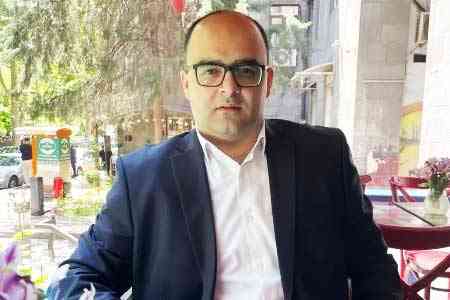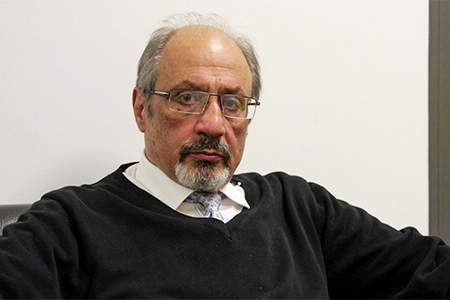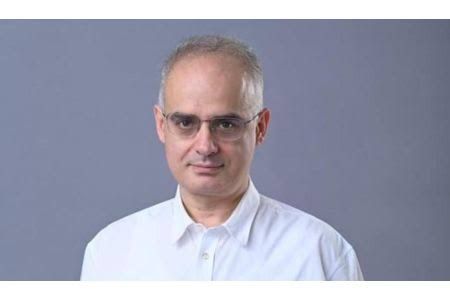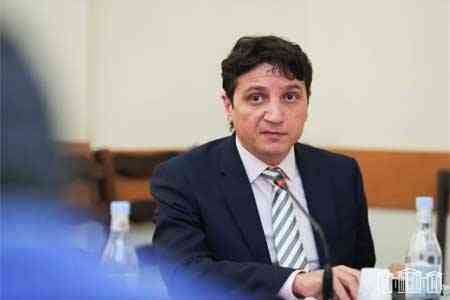


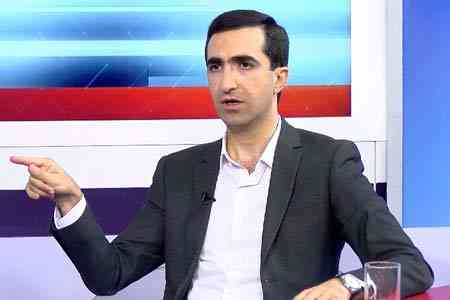
ArmInfo.The law " On non-cash transactions ", which came into force on July 1, according to the most conservative estimates, will cost the business about $1 million per month in bank commissions alone. Economist Karlen Khachatryan wrote about this on his Facebook page.
The economist recalled that it has been 15 days since the law " On non-cash transactions " came into force, which obliges transactions in the amount of more than 300,000 drams to be carried out non-cash, and in the case of a number of transactions, lower limits are set. For example, pawnshops will issue loans in the amount of more than 80 thousand drams exclusively in non-cash form. This threshold will be reduced to 50 thousand drams from January 1, 2023 and 30 thousand drams from January 1, 2024. Non-cash payments will be made from state or municipal budgets, as well as notarial and lawyer services, payment for all types of medical services provided in medical institutions operating in Yerevan (from July 1, 2023 in the administrative centers of the regions of the Republic of Armenia, and from July 1, 2024 in other settlements, payment for these medical services will also be made by bank transfer).
"In a country where a significant part of society simply does not have a bank account, and a large number of bank card holders use it once a month to withdraw money from an ATM on the day they receive a salary or pension, such a restriction cannot be viable," Khachatryan notes, pointing out that currently 30% of pensioners continue to receive their pension in cash. <Such enforcement will become a headache for a large part of the population that does not have access to non-cash payment instruments. Instead, you could promote the use of bank cards through various programs, take steps to increase the level of financial literacy of the population and more actively use non-cash means of payment>, he believes.
According to the economist, restrictions will become a headache not only for the population, but also for entrepreneurs. The initiative will also not serve the stated goal of reducing the "shadow" in the economy. <There are about 66,000 cash registers registered in the Republic of Armenia, about 50,000 of them have not activated the possibility of cashless payments. Activating this feature on a cash register implies an additional financial burden on the entrepreneur, at least 4800 AMD per month. According to the most conservative estimates, the business will pay banks about $1 million a month as a commission>, he emphasizes.
Meanwhile, according to the expert, even in countries with a much more developed banking system, and financial and technological literacy, such as the UK, Germany, Finland, Denmark, the Netherlands, Sweden and many others, there are no such restrictions on cash. And in those countries that still apply certain restrictions, the limits are incomparably high, for example, in the Czech Republic a threshold of 14,000 euros is set, in Bulgaria and Slovakia - 5,000 euros, etc. . "An objective question arises: does it make sense to be more Catholic than the Pope - to create unnecessary difficulties in the economy or to enrich banks at the expense of citizens or enterprises?" Karlen Khachatryan asks.