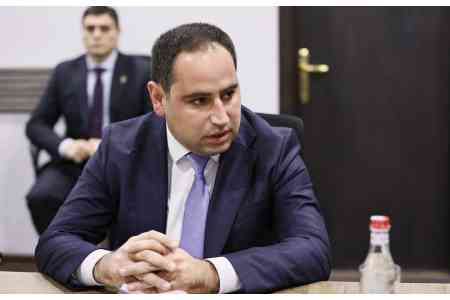
ArmInfo. In view of the fact that the share of electronic commerce is growing rapidly, since in the modern world of the development of digital platforms is an inevitable and constant process, it is necessary to develop effective fiscal regulation of this industry. Prime Minister of Armenia Nikol Pashinyan stated this during a meeting of the Eurasian Intergovernmental Council on October 21 in Yerevan.
"In this context, I consider it necessary to adopt the rules as soon as possible, followed by a discussion of uncoordinated issues in order to build a reliable regulatory system based on the principles of taxation in the country of destination," he stressed.
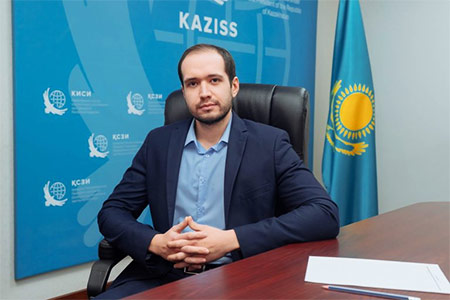
Within the framework of the integrated information system of the EAEU, the prime minister expressed his readiness, on behalf of Armenia, to actively participate in the development of modern solutions for the development of information systems of the EAEU. He assured that the formation of consistent steps in the IT sector, provided for by the target program for the development of the integrated information system of the EAEU until 2027, will serve as a strategic basis for entering digital solutions, the demand for which is extremely high. At the same time, Nikol Pashinyan confirmed the readiness of the Armenian side for active cooperation in the interests of promoting Eurasian integration and implementing the agreements reached. In February this year, Ruslan Beketaev, Minister for Economics and Financial Policy of the EEC, at a meeting of the Eurasian Intergovernmental Council the main conceptual presented approaches and the mechanism for levying VAT on electronic trade in goods to individuals in the territory of another EAEU state on the basis of the country of destination.
In particular, it was noted that the mechanism for collecting indirect taxes on the principle of the country of destination provides for remote and simplified registration of Internet sites for tax accounting and payment of VAT, imposing on marketplaces the functions of a tax agent for paying VAT for individual sellers, transferring information to tax authorities for control for the correct calculation, withholding and transfer of taxes.