


ArmInfo. In 2022, global economic developments were shaped by three trends: 1) a surge in inflation in developed countries that has been unseen for years; 2) a rapid increase in interest rates; and 3) a cooling economy. By now, evidence is building that the first two trends - soaring inflation and skyrocketing interest rates - are nearing their end. This is stated in the latest Eurasian Development Bank (EDB) Macroeconomic Review published by the Bank in 2023.
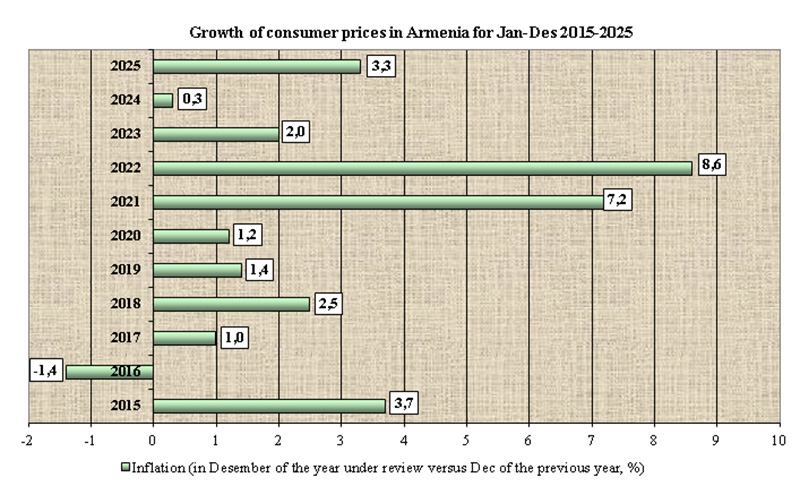
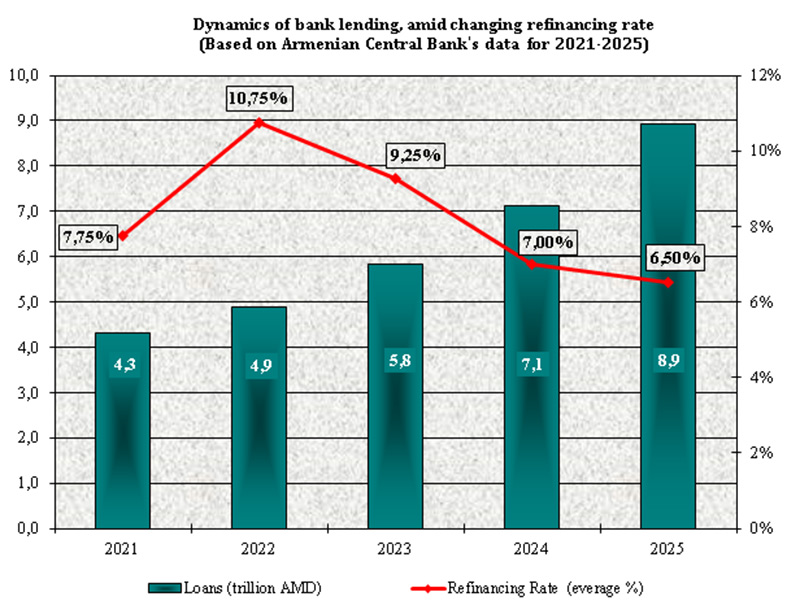
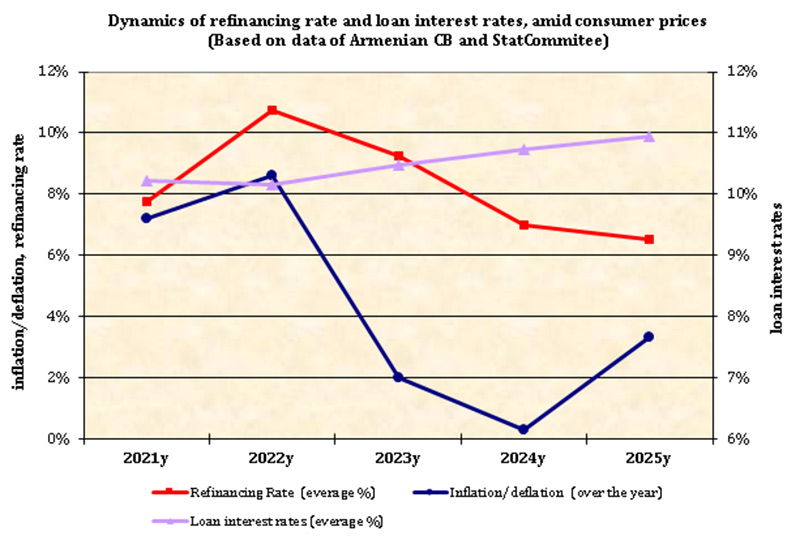
The Macroeconomic Review notes that the peak of inflation in developed countries is very likely to have been passed at the end of 2022. By the end of the year, consumer price growth in the U.S. had slowed to 6.5% year-on-year from a peak of 9.1% year-on-year in June and in the eurozone to 9.2% year-on-year from a peak of 10.6% year-on-year in October, owing, to a significant extent, to the corrective decline in the prices of raw materials. In addition, global supply chains are gradually returning to normal as confirmed, for example, by a drop in maritime transport costs to levels last seen before the pandemic. The hawkish rhetoric of major central banks is easing along with inflationary pressures. EDB researchers believe that the U.S. key rate has already reached its ceiling in the current cycle and the Fed could lower it by the middle of the year due to slowing business activity. Other developed economies' central banks are expected to catch up with the Fed with time.
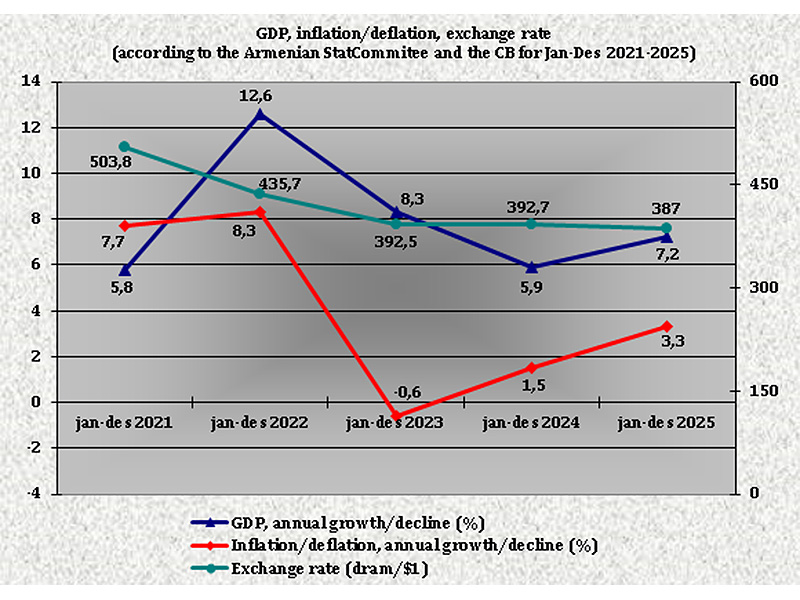
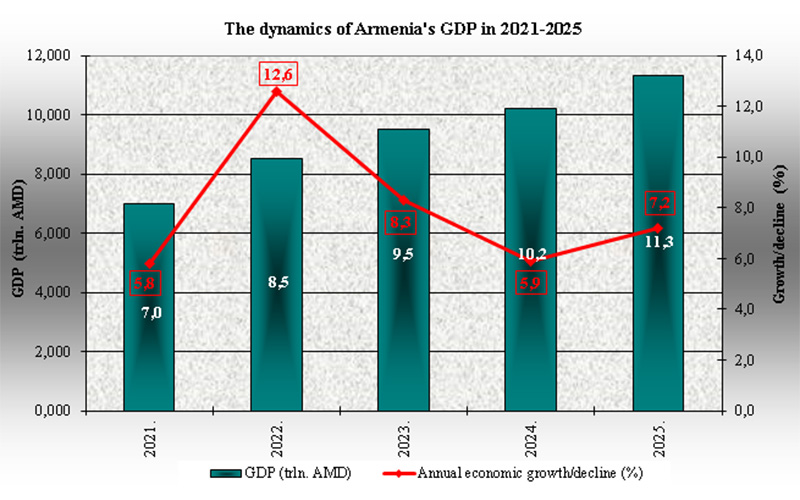
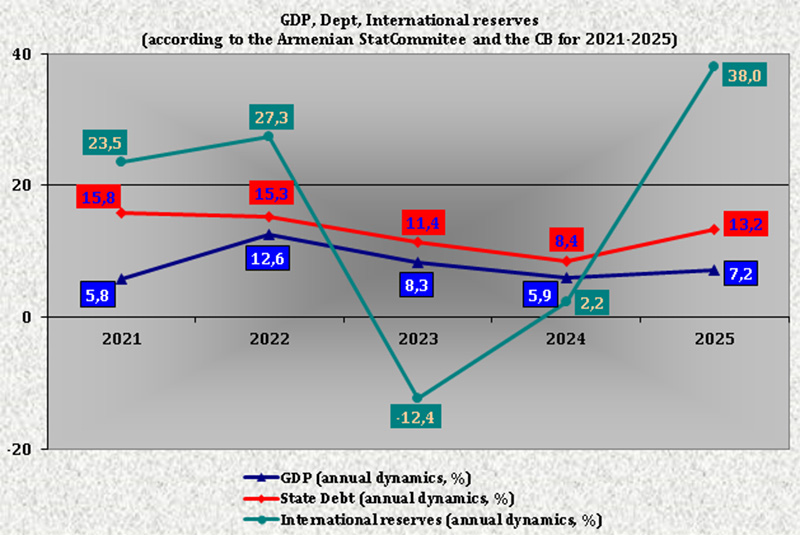
The Macroeconomic Review also states that weaker global economic activity remains an issue on the agenda and there are no signs that this trend has been reversed. China's abandonment of its zero-COVID policy improves the outlook for the entire global economy this year as does a rather mild winter in the EU, which has eased the challenge of energy supplies to European countries. However, PMI indicators continue to demonstrate that business activity in major economies remains weak. Economic developments in the EDB region are strongly linked to global economic trends. The global reversal of inflation and domestic factors constrain consumer price growth in the region. EDB analysts estimate that in December 2022 inflation in the Bank's member states fell to 12.5% year-on-year from 13.9% year-on-year in September and believe that, should there be no new shocks, it could be halved by the end of 2023, to 6.2%. The weakening of global business activity last year impacted the Bank's member economies differently. EDB analysts estimate that the member states' aggregate GDP declined by 1.7-2% in 2022 as a result of the West imposing restrictions on Russia and Belarus. By contrast, Armenia, the Kyrgyz Republic and Tajikistan's GDP rates grew strongly owing to higher domestic demand. Kazakhstan's GDP increased by 3.1% despite the weaker performance of its key trading partners, Russia and Kazakhstan, the Macroeconomic Review notes.
According to the source, if the reduction of interest rates by the leading central banks of developed countries is really not delayed and they manage to avoid a hard landing, this may provide a fairly comfortable external environment for the the economy of the region of the Bank's activity in 2023. Of course, if there will be no new large-scale shocks.
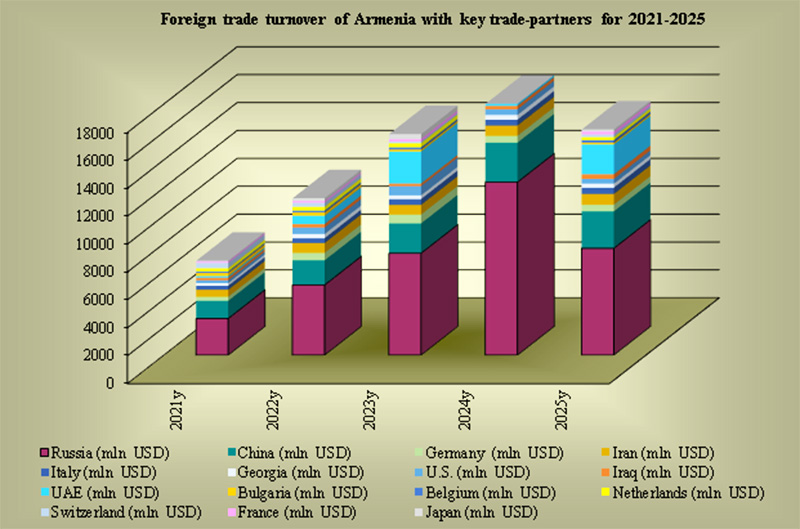
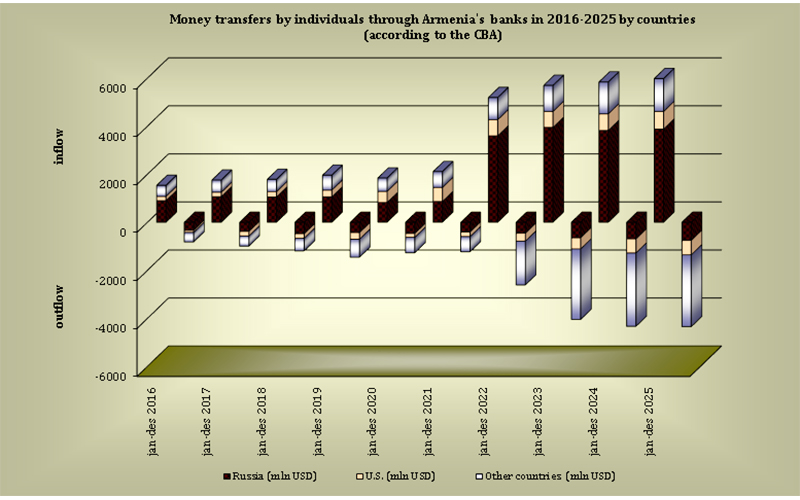
The economic outlook is potentially particularly favorable for Kazakhstan. The country can become one of the beneficiaries of the growth in the consumption of traditional energy resources in the world, including through the expansion of its oil production and processing capacities and the restructuring of global supply logistics. The situation is not so clear for the small economies of the region (Armenia, ed. note), which have made exceptional progress in 2022 thanks to the influx of human and financial resources. When assessing the prospects for economic growth in 2023, the possibility of a slowdown in this inflow or even a certain outflow should be taken into account, which carries risks for the service and trade sectors.