

ArmInfo.February 2023 saw signs that the risk of recession in the global economy had subsided. Global business activity livened up in February compared to the previous month, with the composite PMI rising to 52.1 points - above the 50-point threshold for the first time since July 2022. China's abandonment of its zero-COVID policy has been an important factor in supporting business activity globally and in EDB countries.
This is stated in the March "Macroeconomic Review", prepared by analysts of the Eurasian Development Bank (EDB).
However, the review notes that a month of growing global business activity after a half-year contraction does not yet indicate that the world's economy has stabilised and the trend has reversed, which means that the risk of recession remains substantial.
High inflation continues to be the most significant obstacle to the sustained strengthening of global business activity. The review indicates the probability of more policy rate hikes in the US and the eurozone. EDB analysts believe that weak growth and recession risks will force major central banks to discontinue their monetary tightening cycles as early as the first half of 2023. Yet, even if these cycles were to end, interest rates would remain elevated. This will significantly slow down GDP growth in developed countries, which means that EDB economies might face lower demand for their exports.
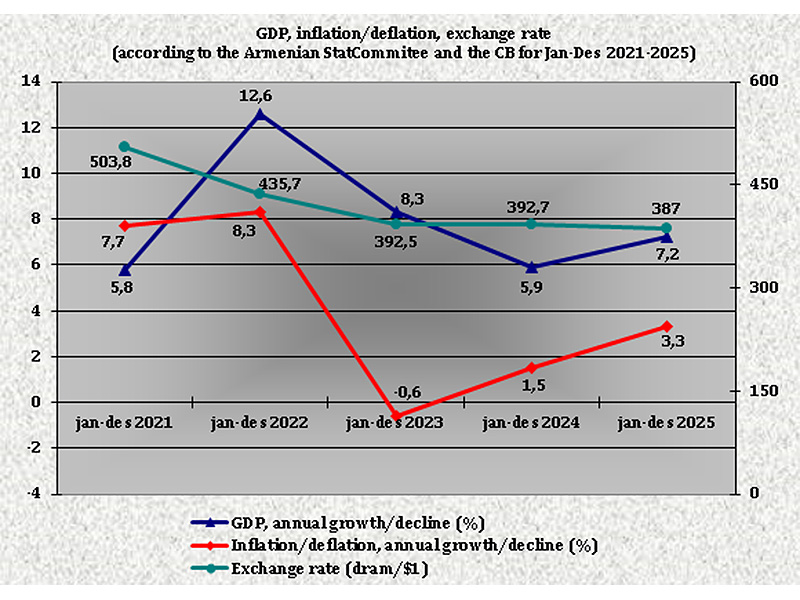
Global developments have different impacts on EDB economies. Armenia, Kazakhstan, the Kyrgyz Republic and Tajikistan demonstrated high growth rates in early 2023. Russia's seasonally adjusted GDP, according to the EDB's calculations, grew slightly in January compared to the previous month. Belarus can expect a slowdown in its economic decline as early as February and growth in the second quarter.
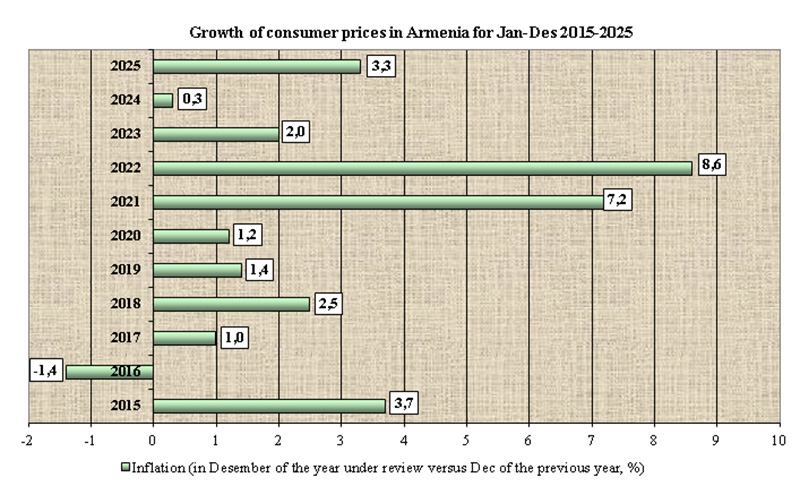
In most countries of the region, consumer price growth slowed early this year, due in part to the easing of price pressures from global supply chains and commodity markets.
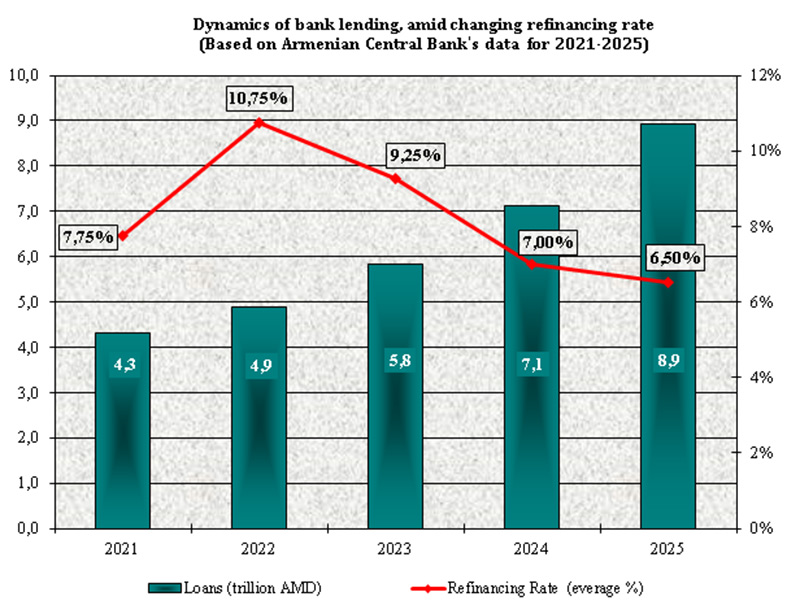
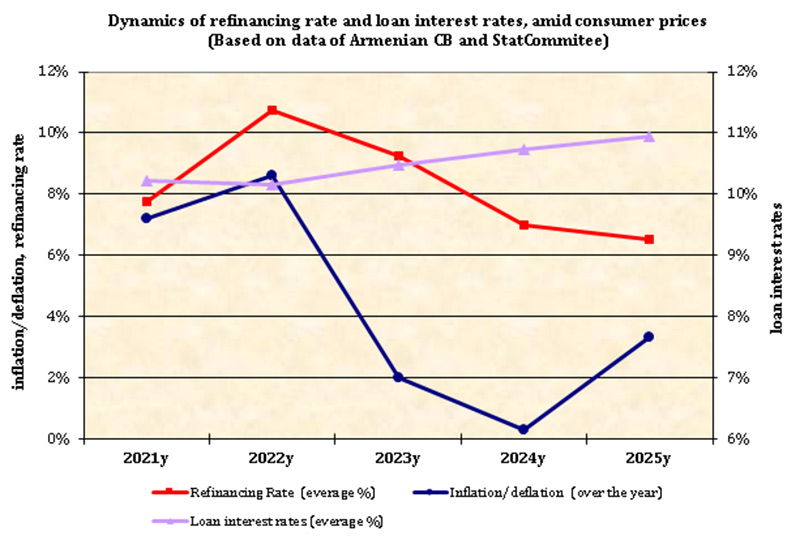
That said, the review stresses that inflation risks are still on the agenda of the region's monetary authorities. For this reason, some of the central/national banks have maintained their interest rate levels. EDB countries may further ease their monetary policies when their national banks decide that inflation has stably slowed down.
The Eurasian Development Bank (EDB) is an international financial institution investing in Eurasia. For more than 17 years, the Bank has worked to strengthen and expand economic ties and foster comprehensive development in its member countries. The EDB's charter capital totals US $7 billion. Its portfolio consists principally of projects with an integration effect in transport infrastructure, digital systems, green energy, agriculture, manufacturing, and mechanical engineering.