


ArmInfo.About $24.8 million of the stand-by loan will become available to Armenia after the meeting of the Board of the International Monetary Fund (IMF) in mid- June this year. This is noted in the message of the IMF.
In particular, it is stated in the message: "During March 9-21, 2023, a team of the International Monetary Fund (IMF), led by Iva Petrova, conducted discussions for the first review of Armenia's economic reform program supported by the IMF. A Stand-By Arrangement (SBA) was approved by the IMF's Executive Board on December 12, 2022. At the conclusion of the discussions, Ms. Petrova issued the following statement:
"The IMF team has reached a staff-level agreement with the Armenian authorities for the conclusion of the first review of the economic reform program supported by a three-year Stand-By Arrangement. The agreement is subject to approval by the IMF's Executive Board, which is scheduled to consider this review in mid-June, and following the implementation of a prior action on clarifying the mandate, transparency, reporting, and viability requirements of the Armenian National Interest Fund. While about $24.8 million (SDR 18.4 million) would become available after the Board meeting, the authorities plan to continue treating the IMF-supported program as precautionary.
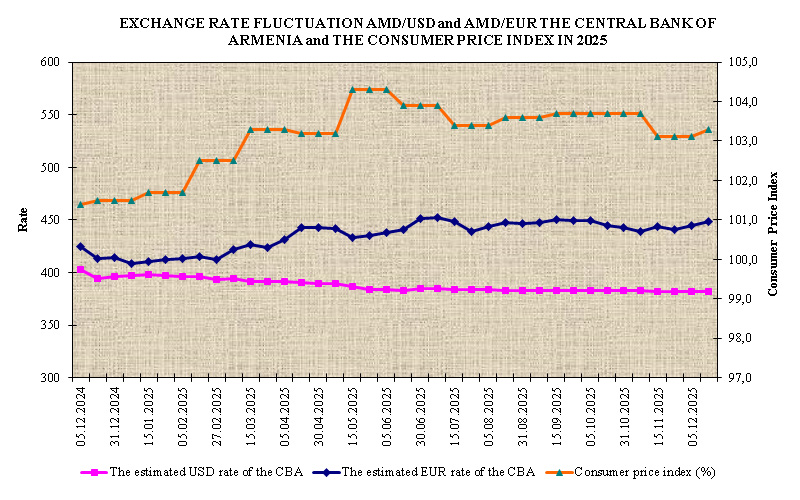
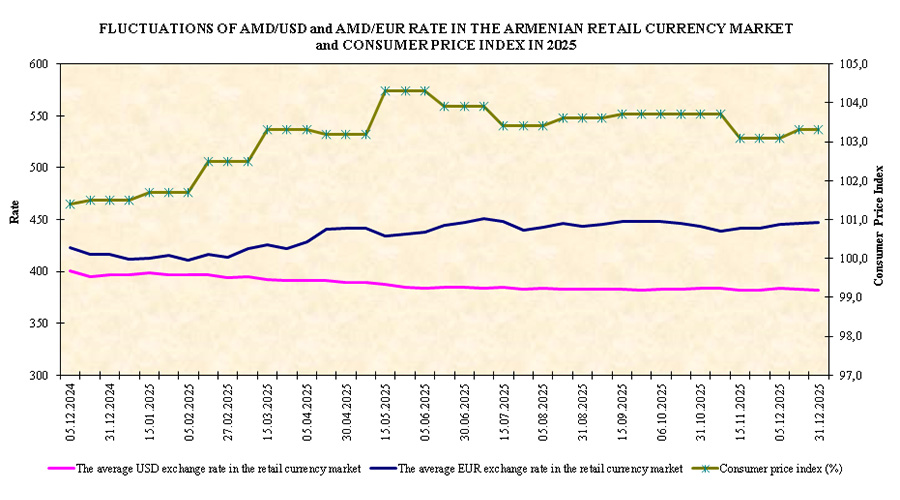
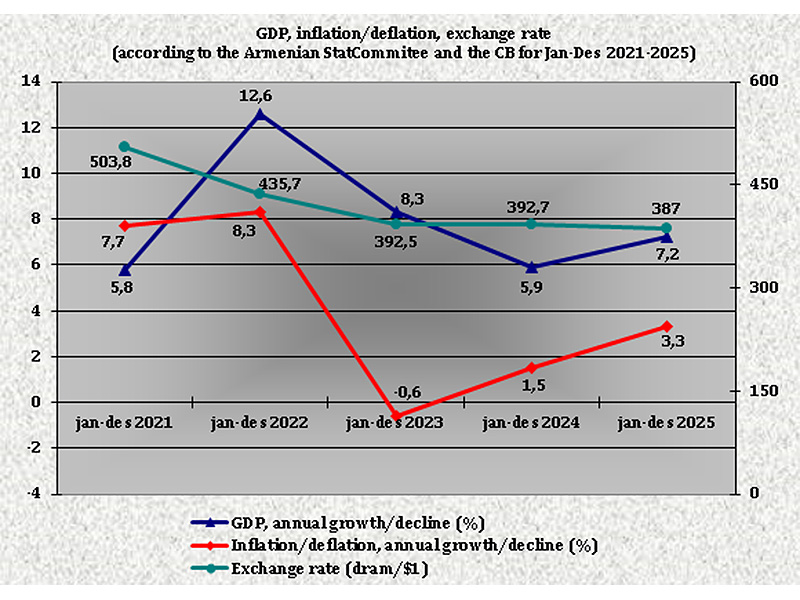
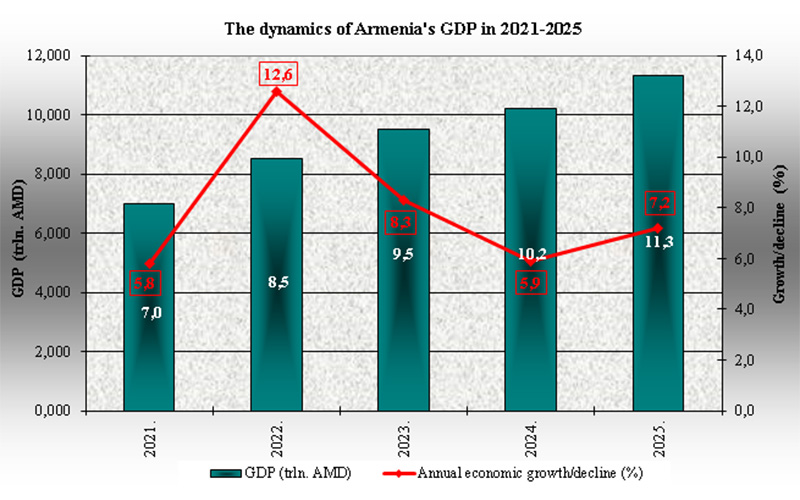
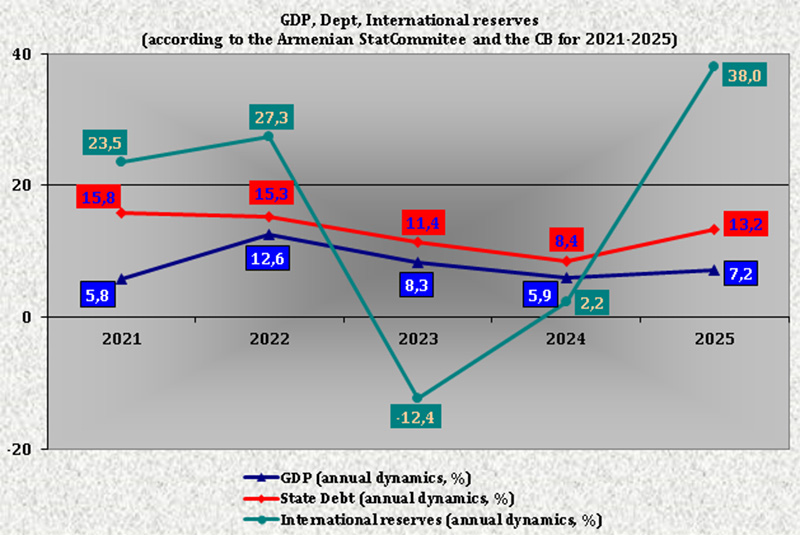
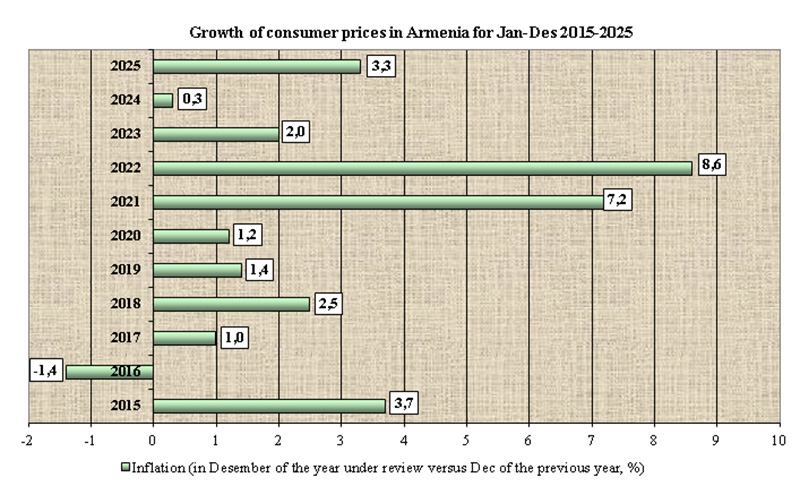
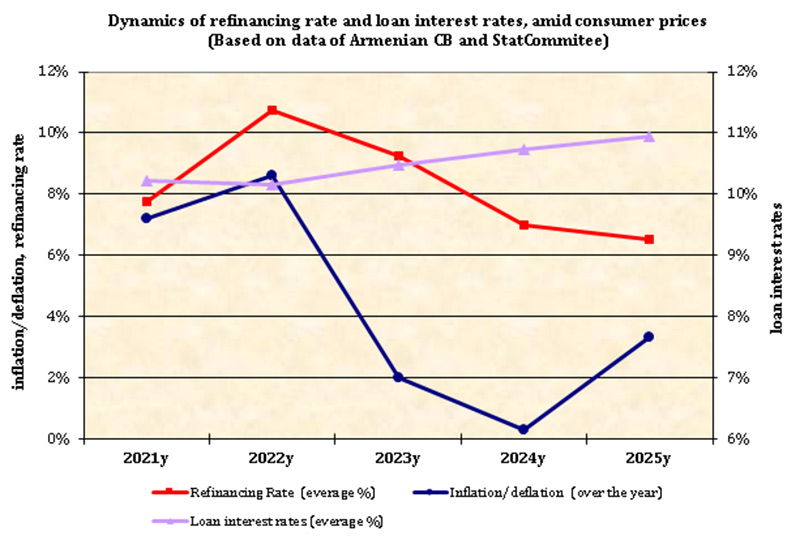
"The Armenian economy posted 12.6 percent GDP growth in 2022, and economic activity has maintained strong momentum in early 2023. Relocations of about 2,600 companies, 6000 individual entrepreneurs, and 113 thousand non-residents to Armenia since March 2022 have contributed substantially to this remarkable GDP growth. Annual CPI inflation declined to 5.4 percent in March 2023 (y-o-y) from a peak of 10.3 percent in June 2022. The headline fiscal deficit narrowed to 2.1 percent of GDP, and central government debt declined to 46.7 percent of GDP in 2022. The external position strengthened, largely owing to booming services trade. The CBA's international reserves increased by $870 million in 2022 and the dram appreciated by about 25 percent against the US dollar. The banking system has remained well capitalized and highly liquid and has delivered significant profits.
"Growth is expected to moderate but remain robust at about 5.5 percent in 2023, driven by consumption and investment. Inflation is projected to ease further by end-2023 due to the lagged effects of monetary policy tightening and dram appreciation, and lower imported food and energy prices. However, risks to the outlook remain exceptionally high amid a challenging external environment. Potential slowdown in the global economy, tighter financial conditions, and lower trade and capital inflows could weigh on growth. On the upside, continued capital and migrant inflows may keep demand and inflationary pressures high. Steadfast implementation of the government's ambitious 2021-26 reform agenda could result in stronger medium-term growth.
"Given a highly uncertain outlook and overheating risks, the 2023 budget execution and 2024 budget plans need to avoid creating excessive demand pressures. The 2024-26 medium-term expenditure framework should strike a balance between preserving macro- fiscal stability and supporting Armenia's development. Higher planned spending in the 2021-26 Government Program, such as healthcare, wages, education, social protection, and infrastructure require careful prioritization. Efforts to improve government spending efficiency, enhance public financial management-including through robust fiscal risk management, transparency, and governance-and ensure higher-quality public investment are welcome. Eliminating inefficient tax expenditures and strengthening revenue administration will be critical to creating needed fiscal space for priority spending.
"Decisive and proactive monetary policy implementation has been successful in containing inflationary pressures, and further policy changes should remain dependent on the evolution of inflation and inflation expectations. Efforts to foster capital market development, deepen financial inclusion, improve liquidity management, and enhance the CBA's communication strategy will further strengthen the effectiveness of monetary policy. Staff welcomes the CBA's continued commitment to maintaining healthy reserve buffers and exchange rate flexibility, which has helped the Armenian economy absorb the ongoing external shocks.
"Staff welcomes the Central Bank of Armenia's plans to strengthen risk-based supervision, develop a bank resolution framework aligned with international standards, and incentivize banks to improve their risk management processes. Continued monitoring of financial sector exposures and enhancing the macroprudential tools would help stem risks associated with the rapid rise in house prices and mortgage lending. Limiting the use and generosity of the mortgage interest tax credit would go a long way in further mitigating housing market risks.
"The government's structural reform agenda appropriately focuses on fostering inclusive growth, including by improving the business environment, raising productivity, reducing unemployment and poverty, and addressing the risks associated with climate change. Achieving these objectives requires developing stronger trade links, building infrastructure to support connectivity; improving transportation, land, and water management and encouraging green energy generation; fostering access to financial services and labor force participation; completing governance reforms, and reducing informality. Advancing digitalization should spearhead public administration reforms and improve public service quality and delivery.
"The IMF team thanks the Armenian authorities, private sector, and development partners for fruitful discussions and cooperation."