


ArmInfo.The Russian stock market ended the year 2015 ambiguously, but, nevertheless, the ruble index managed to show a good increase. How the market lived in 2015, what challenges it faced, and what factors had the most significant impact on it — said Konstantin Tserazov, an independent expert, economist, ex-deputy head of global markets at Troika Dialog, in our interview.
In 2015, geopolitics ruled the domestic market. The conflict in the south-east of Ukraine had a negative impact on relations with Western countries. Difficulties with Turkey and Egypt were added to these problems, the market reacted extremely nervously to the catastrophe with the Russian plane shot down by the Turkish Air Force. In addition, the year was marked by a significant weakening of the ruble and a decline in commodity prices. Key indicators ended the year in different directions - the MICEX index rose by 26%, while the RTS dollar index lost 4.7%. However, against the backdrop of a 45% drop in the RTS index a year earlier, this figure can be considered quite acceptable.
Russian macroeconomic indicators disappointed investors - inflation remained at a fairly high level of 12.9%, while GDP fell by 3.2%. The negative for the market and the Russian economy as a whole was the decline in oil prices, which was driven by the June decision of OPEC to keep oil production quotas at 30 million barrels per day. At the end of the year, the price of Brent crude oil fell by 40%, below $40 per barrel. The decline in commodity prices, in particular, was due to the cooling of the Chinese economy, as one of the main world consumers, which affected global demand, notes Konstantin Tserazov. An unpleasant surprise was the downgrading of Russia's investment rating by rating agencies Moody's and Fitch to an almost "junk" level.
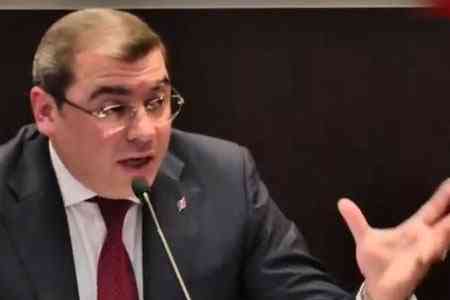
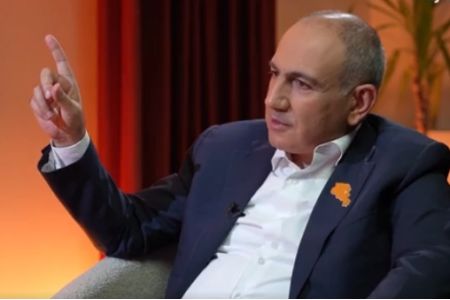
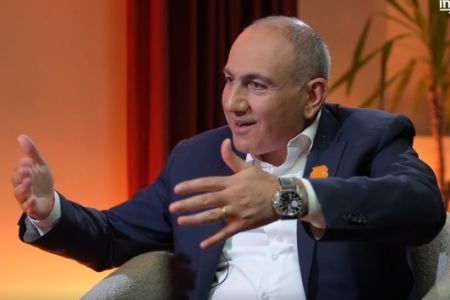
Konstantin Vladimirovich Tserazov: “A significant event took place at the end of the year - the US Federal Reserve raised the rate by 0.25%, thus initiating a tightening of monetary policy. Although the regulator has made it clear that there will be no sharp rate hikes, but one way or another, the era of cheap money is over.”
And yet, the results of the year inspire rather optimism. Despite serious challenges, the Russian economy has not collapsed, and the banking system has stood the test of strength. Despite the decline in oil, the catastrophic collapse of the ruble still did not happen. The Bank of Russia carried out a systematic reduction of interest rates throughout the year. The outflow of capital has stopped, and moreover, in the third quarter, funds investing in Russian shares showed an inflow of $5.3 billion, however, while the overall balance remains negative.
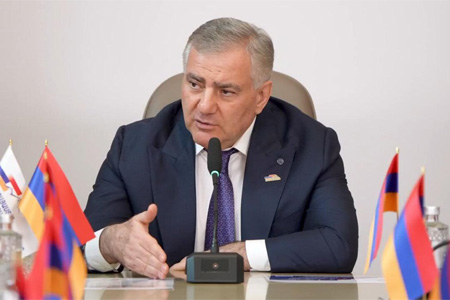
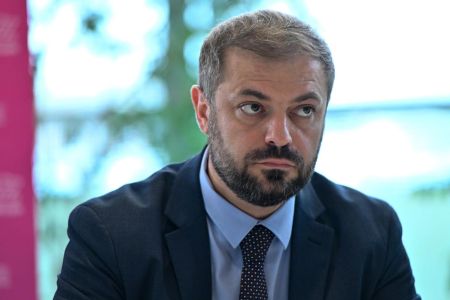
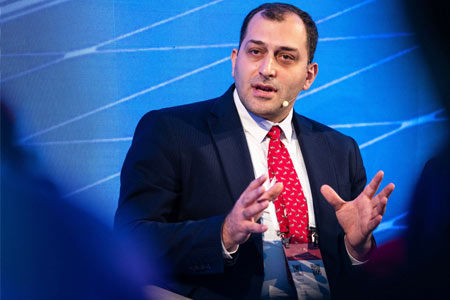
Photo: Konstantin Vladimirovich Tserazov believes that our market has already gone through the most difficult times