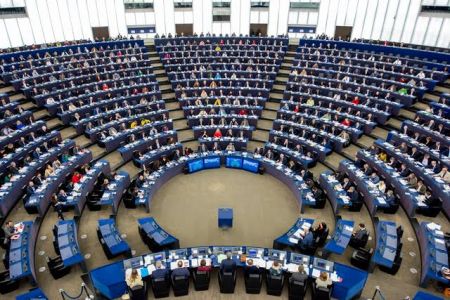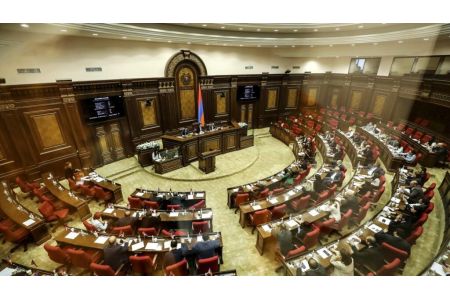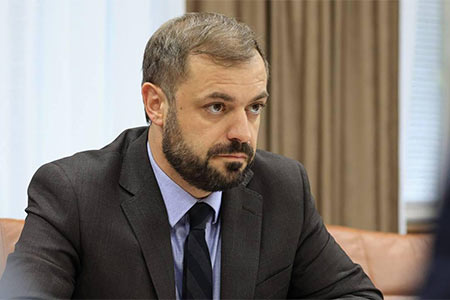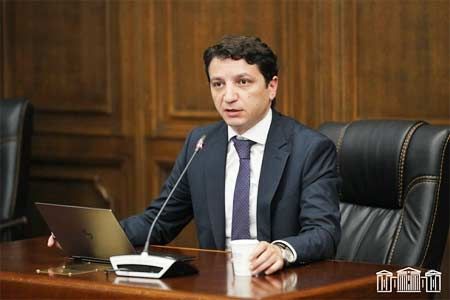
ArmInfo. The extension of high rates of state duties on exported ferrous and non-ferrous metals in Armenia for six months will allow increasing the volume of metallurgical production, Minister of Economy Vahan Kerobyan stated on February 6 at the plenary session of the National Assembly of the Republic of Armenia, presenting the amendments to the law "On State Duty" in the second and final reading.
According to the minister, when developing the bill, the country's authorities were guided by the need to create long chains for the production of finished products, and not to export scrap metal. After the state duty mechanism was used for the first time in 2020, new metallurgical enterprises began to be created in the country. The volume of investments during this period exceeded $100 million, 4 new enterprises were created, and the number of employees in them approached the mark of 750 people.
Initially, as the minister emphasized, it was envisaged that the document would begin to be applied from January 1, 2024, but after discussions it was decided to postpone this date to January 1, 2025 in order to enable companies engaged in the production of semi-finished products to repurpose their enterprises.
The Ministry of Economy previously reported that local production had increased significantly since the ban came into force. In particular, in 2021, the production volume of steel rolling rolls amounted to more than 115.2 thousand tons, an increase of 8.4 times (compared to 2020), and in 2022 - more than 119.6 thousand tons, which is 3 .9% more than in 2021, and the production volumes of steel pipes, hollow frames and fittings for them in the first half of 2023 increased by approximately 56%, amounting to 52.2 thousand tons. The department predicts that as a result of the application of legislative initiatives, there will be an increase in the use of local ferrous and non-ferrous scrap metal by 65-70%, bringing the annual volume of scrap consumption to 250 thousand tons.