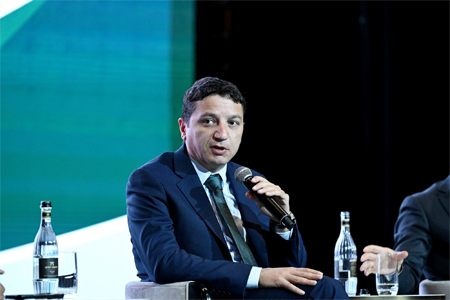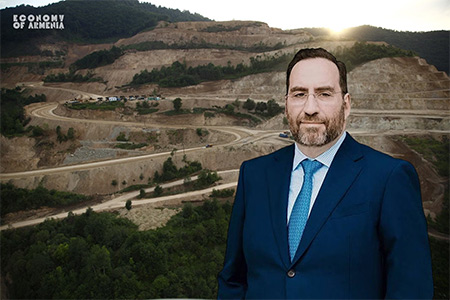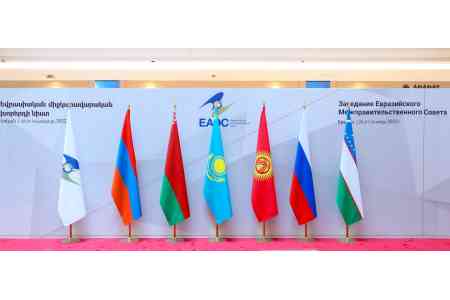



ArmInfo. The main driver of economic growth in Armenia in 2024 may be the utilization of the country's competitive advantages in the context of using the opportunities of the free economic zone between Iran and the EAEU. A similar opinion was expressed by Tatul Manaseryan, Doctor in Economics, Professor, Head of the Alternative Research Center, member of the Eurasian Expert Club during a press conference on February 20.
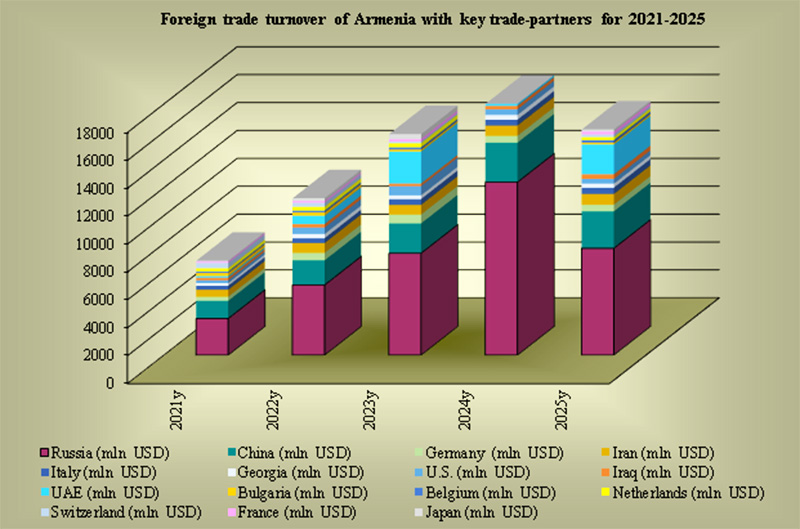
He also mentioned the activation of relations with Russia and other members of the EAEU as stimulating factors . In this regard, he pointed to the dynamics of development of relations with Kazakhstan. "We also need to try to intensify ties with other countries of the Union," the expert said. Manaseryan also noted the importance of effective economic management and using the professional potential of the Diaspora.
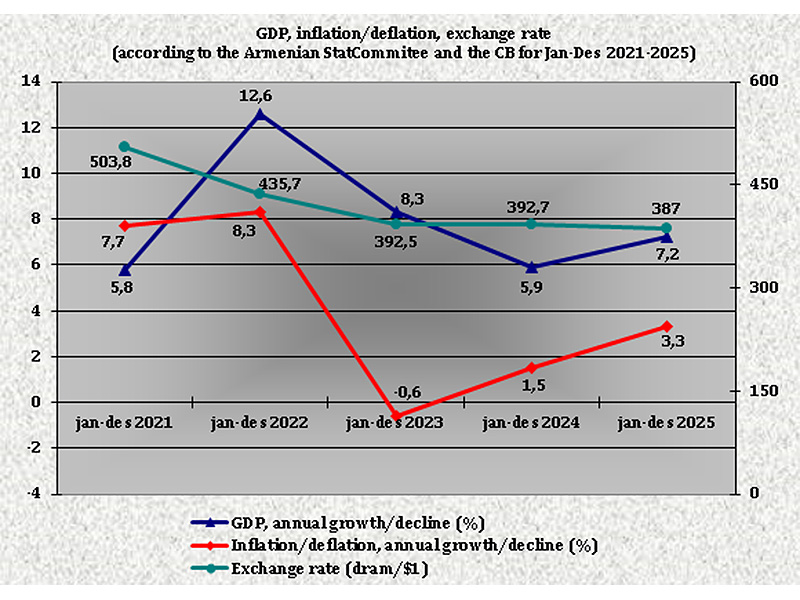
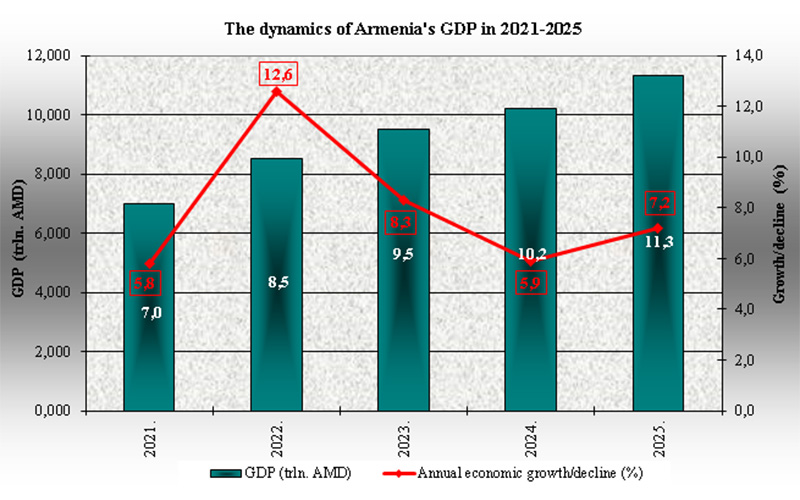
"If all these tasks are implemented, then we can expect an increase in business activity in the range of 7-8% at the end of the current year. Otherwise, growth will not exceed 3-4%," he emphasized.
At the same time, the expert recalled that the EDB forecasts economic growth growth of 5.7% for Armenia in 2024, the IMF - up to 5%, the WB - 4.7%, the UN - 5.2%, the Central Bank - 6.1%, and the state budget envisages growth at 7%.
According to the economist, 2024 will be full of negative trends. According to him, in order to prepare the forecast, the possibility of economic growth being conditioned mainly by temporary geopolitical factors, which can leave the economy without a growth driving force, was taken into account.
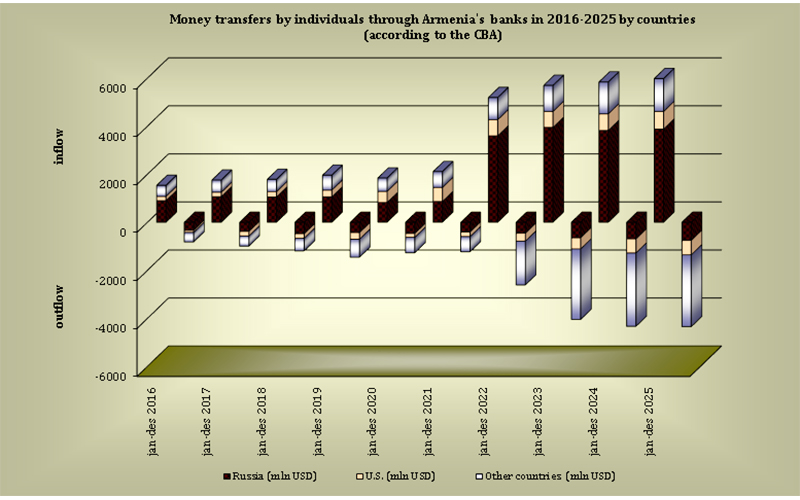
The expert also noted that the growth may be due to the strengthening of domestic demand through the further flow of remittances and the stimulation of the fiscal policy. Manasaryan emphasized that a lot will depend on the employment and social status of Artsakh refugees in Armenia.
At the same time, the economist emphasized that traditional growth in the sectors of services, IT, real estate, finance and tourism may be insufficient without improving the situation in the real sector - industry and agriculture. Manaseryan also noted that exports could grow in non-export areas, in particular trade and tourism, which are extremely sensitive to shocks.
In the context of external factors influencing growth dynamics, he mentioned the stagnation processes taking place in the Chinese economy and the outcome of the Ukrainian crisis, which could have an impact on the dram exchange rate.
According to the expert, economic growth may also be affected by foreign economic policy and Armenia's reorientation to the West.
At the same time, he pointed out the risks associated with the opening of the Armenian-Turkish border, which could be accompanied by a large-scale expansion of inexpensive Turkish products. The economist also expressed concern about the dynamics of poverty growth in Armenia, which, according to the World Bank, amounted to 42% in 2023, and in the Shirak region this figure is higher - over 60%. "This is not only a socio-economic, but also a political problem," he emphasized.