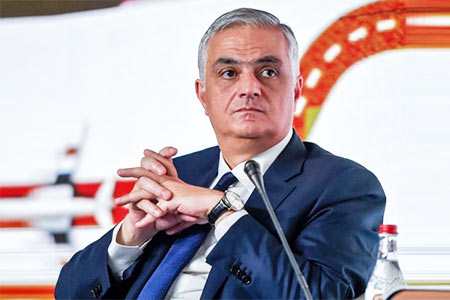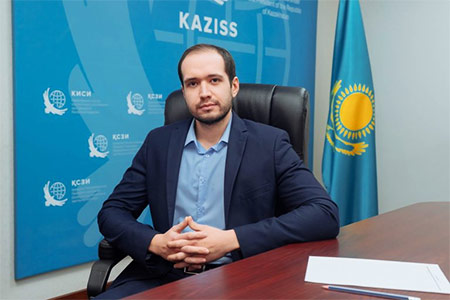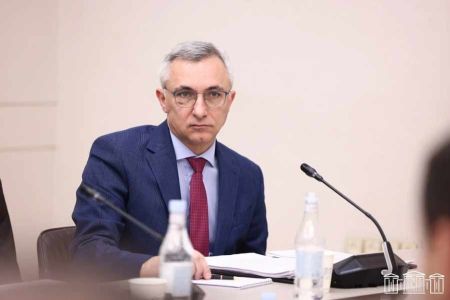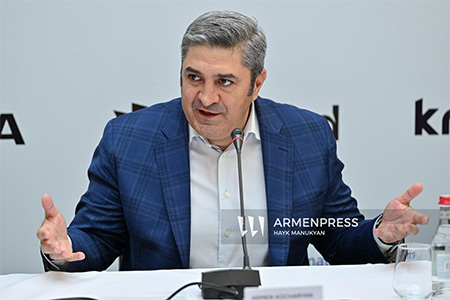
ArmInfo.Trade in the Caucasus and Central Asia region could triple and distances could be cut by half or even a third if certain changes are made, which requires political will. Mr. Alkis Drakinos , Director, Regional Head of the Caucasus for the European Bank for Reconstruction and Development (EBRD), stated on May 10, during an event held in Yerevan within the framework of the IMF "Perspectives of Regional Economic Development" report.
He stressed that countries need to talk more openly with each other, and basic agreements are needed to unblock obstacles, infrastructure and border crossings. "All this should be ensured to increase turnover, to integrate economies with each other and bring them to a normal course in the context of the global economy," the EBRD regional director said.
In general, noting that much remains to be done to integrate the economies of the CCA region, Mr. Drakinos also touched upon existing obstacles. In particular, he stressed that low-hanging fruit should be picked first to ensure continued growth.
According to Mr. Drakinos one of the obstacles to integration is the objective difficulties in intra-regional trade. The region is huge, and in order for intra-regional trade to take place, one should show interest in it, which is not always observed. He also pointed out geographical difficulties and structural problems in the development of such integration.
"The economies of these countries are not very diversified. There is a lot of export and trade in raw materials, but not much added value in the region. Each country has its own characteristics, but none is independent," Mr. Drakinos said. In this vein, he emphasized the importance of diversifying economies, noting that CCA governments should achieve this, including through the use of subsidies, although he himself is not a proponent of them. "This is needed as an impetus for further growth," he said.
The countries of the region differ in terms of the structures of their economies, but, according to the head of the EBRD in the Caucasus, there are many areas where they should consider serious opportunities for cooperation and take advantage of this potential. "To achieve this goal, political will should be shown, and international financial institutions should take on the role of catalysts, and the banking sector should provide support in the development of the private sector. In these areas we should trust market mechanisms. You can always aim at the EU, but the EU is far away, and your neighbors are nearby, close. Maybe it's cheaper to deal with them, it's almost like the internal market," Mr. Drakinos emphasized.
The EBRD is the leading institutional investor in Armenia. The Bank has invested over E2 billion in more than 200 projects in Armenia, supporting private sector development and the transition to a sustainable, green economy.
Notably, the Bank recently improved its forecast for Armenia's GDP growth for 2024 from the previous 4.5% to an updated 5%, expecting these rates to be maintained in 2025.