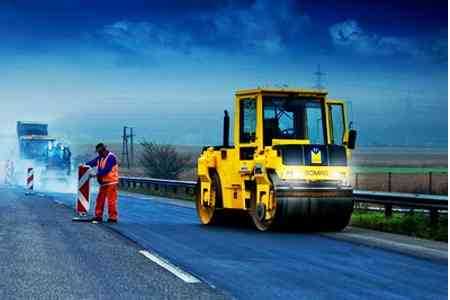
ArmInfo. The section damaged as a result of severe flooding on the 58th kilometer of the M-6 interstate highway from Haghpat to Alaverdi is now passable. The Road Department Foundation reports.
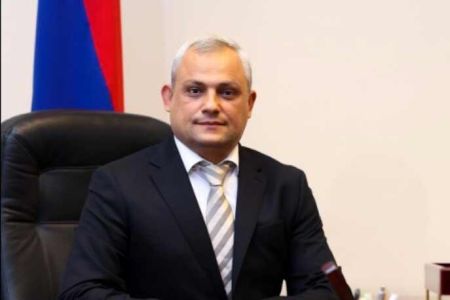
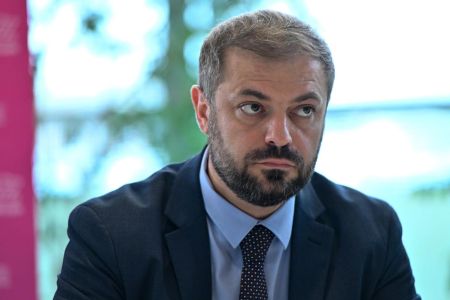
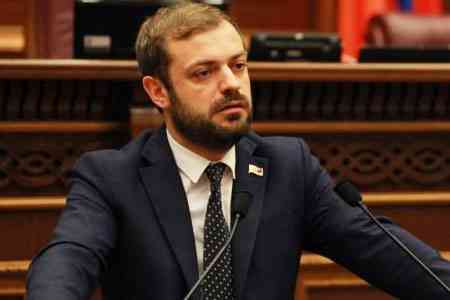
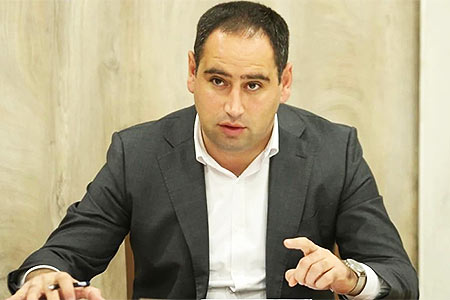
Notably, today Minister of Territorial Administration and Infrastructure of the Republic of Armenia Gnel Sanosyan reported that the main damage as a result of the rampant disaster was caused to M4 and M6 interstate roads. There are 10 damaged sections recorded on the M4 road, 5 of which are significant, especially in the Dilijan-Ijevan direction. The M6 road is damaged in 43 sections, in five of which the roads were completely destroyed
However, one of these sections was restored; work on the rest continues. In particular, the road from Noyemberyan to Bagratashen was flooded, as a result of which the checkpoint on the border with Georgia did not work for one day. After the water level dropped, this road was cleared and traffic in the direction of the checkpoint was restored. However, the road from Vanadzor to Ayrum remains closed. The minister also reported that there are about 20 damaged bridges, the largest of which are the bridges in Sanahin, Akhtala, Ayrum, Karpot and Ashtarak. The bridges in Akhtala and Karpot were especially severely damaged, which cut off 7 settlements, including Alaverdi, from communication with the outside world. Providing food to local residents is carried out through the mountains.
On May 26, heavy rains hit the north of Armenia, which led to the overflow of the banks of the Debed and Aghstev rivers and flooding in the Lori and Tavush regions. Many roads and bridges were destroyed, houses were flooded. The flood destroyed roads and bridges. There are many problems in terms of infrastructures. In particular, we are talking about communications, power lines, gas pipelines, systems related to drinking water and irrigation. To eliminate the consequences of the disaster, an operational group was formed chaired by Minister of Territorial Administration and Infrastructures of the Republic of Armenia Gnel Sanosyan.