ArmInfo.The International Monetary Fund (IMF) has maintained its projected GDP growth for Armenia in 2024 at 6%, but now expecting a more noticeable slowdown in 2025 to 4.9% (down from the previously announced 5.3%).
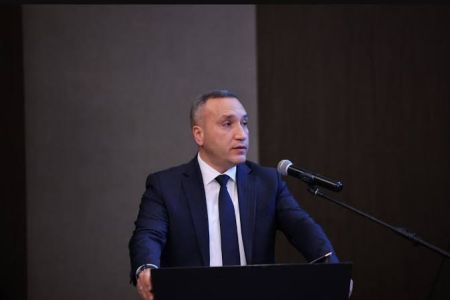
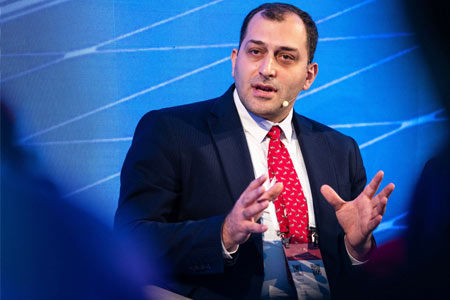
The IMF explained that this is due to a gradual normalization of economic growth rates. This was stated by the IMF Resident Representative in Armenia Umang Rawat, in response to question from an ArmInfo correspondent at an event dedicated to the fund's report "Caucasus and Central Asia: Regional Economic Outlook and Policy Challenges". Additionally, he noted that the worsening of the forecast was also influenced by the situation surrounding the Amulsar deposit.
The IMF Permanent Representative explained that "Initially, we thought that Amulsar would begin operating. However, after observing changes in programs, we realized that the mine would not be operational, which is why we revised our forecast." Presenting the report, he emphasized that not only the IMF, but also other financial organizations have noticed over the past 2 years that the growth of the Armenian economy is transitioning into a more normal and stable phase. "We do not consider this a negative factor," Rawat noted. He emphasized that it is not surprising when economic growth exceeds its potential, as this carries certain risks. In particular, the IMF Permanent Representative noted that the services sector, trade and construction sector were the drivers of economic growth in Armenia.
"We observe a gradual weakening of growth in these sectors, but they remain the main factors of economic growth," he said. Discussing the future outlook of the economy, the IMF representative noted that the diminishing impact of intermediate factors will bring growth back to a normal level. IMF projects Armenia's economic growth to be 4.5% in 2026 and to maintain this rate until 2029. Rawat also added that with the implementation of structural reforms, efforts to engage the workforce, improved effectiveness of public reforms, and addressing issues related to enhancing financial resources, the growth potential of the Armenian economy could increase by 0.5% by 2028, reaching 5.5%.