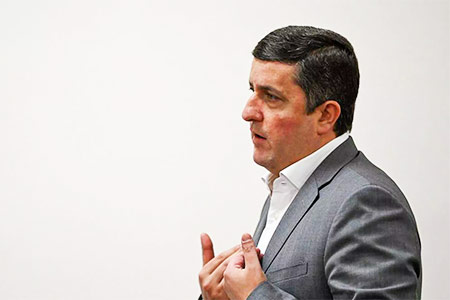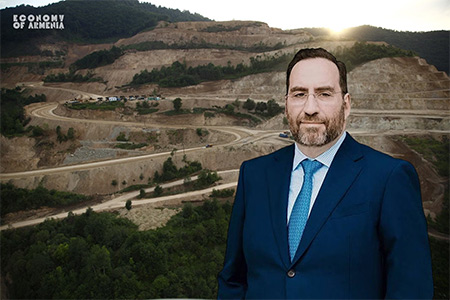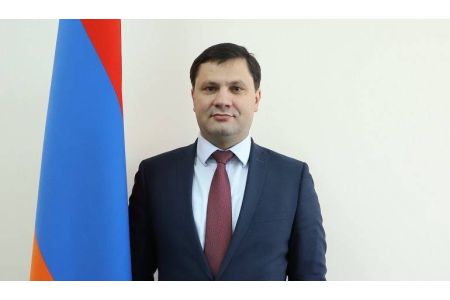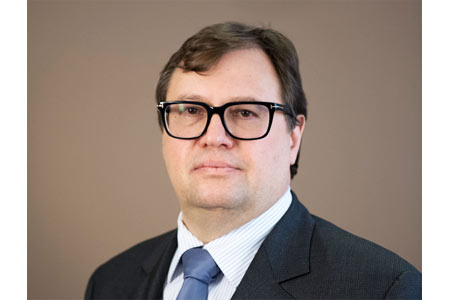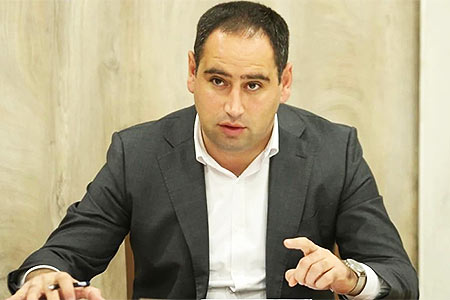


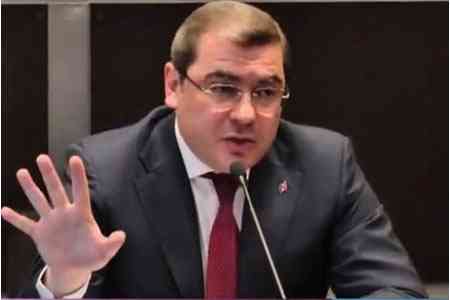
ArmInfo. Promises of reform and economic growth must be based on a macro-ideology, conceptual approaches, and a strategy for deep reform. Until then, all promises are mere micro-level patches. Economist and former head of the State Revenue Committee David Ananyan made this appeal, commenting on the intensification of the political arena in the country and, as a result, the generous promises of political leaders.
"Political autumn seems to be gaining momentum. Almost every day in Armenia, some party holds a congress or rally, new formations are announced, and movements are trying to become parties. Everyone is talking about the economy. One promises to reduce this or that tax, another to increase benefits, a third to "wake up" agriculture or industry with small programs.
However, the reality is much more complex. "The economy should be discussed not through opportunistic micro-promises, but through a macro-ideology, conceptual approaches, and a strategy for deep reforms," Ananyan wrote on social media.
As the expert noted, if the state lacks a vision for a new economic model, lacks systemic solutions based on an export economy, productivity, a new fiscal culture, and institutional trust, then every "mini-program" is doomed to remain mere slogans.
"Opportunistic promises not only devalue economic discourse but also generate meaningless public expectations, which inevitably lead to disappointment. And the duty of real political power is not to please the ears, but to plan changes at the systemic level. First of all, it is necessary to conduct a systemic diagnosis at the macro level, and then present the public with short-, medium-, and long-term strategic visions," he believes.
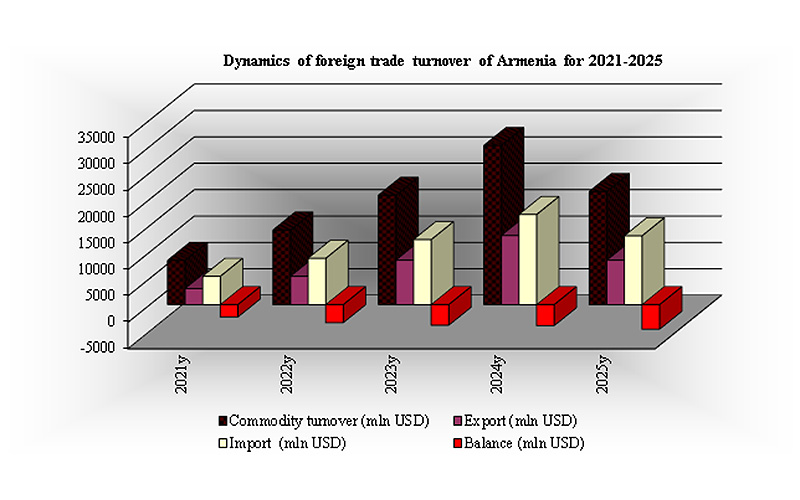
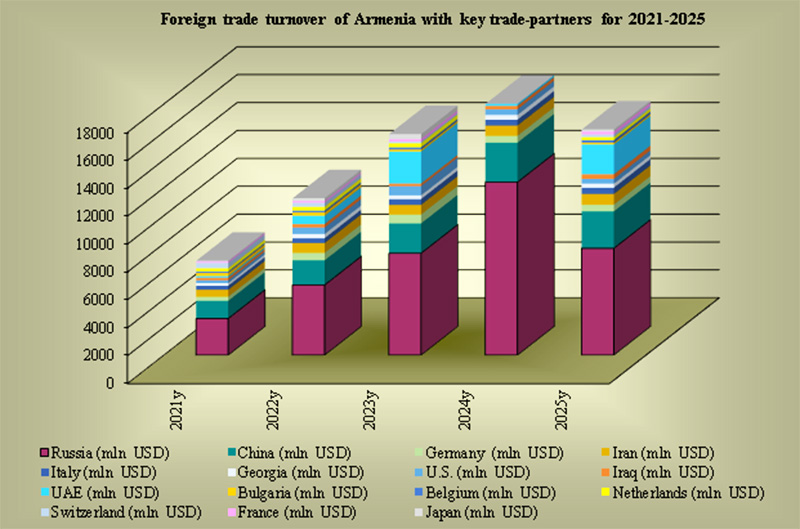
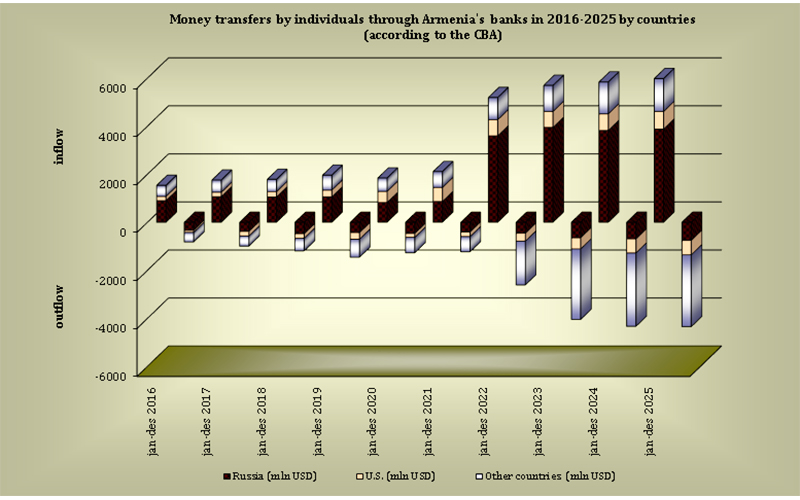
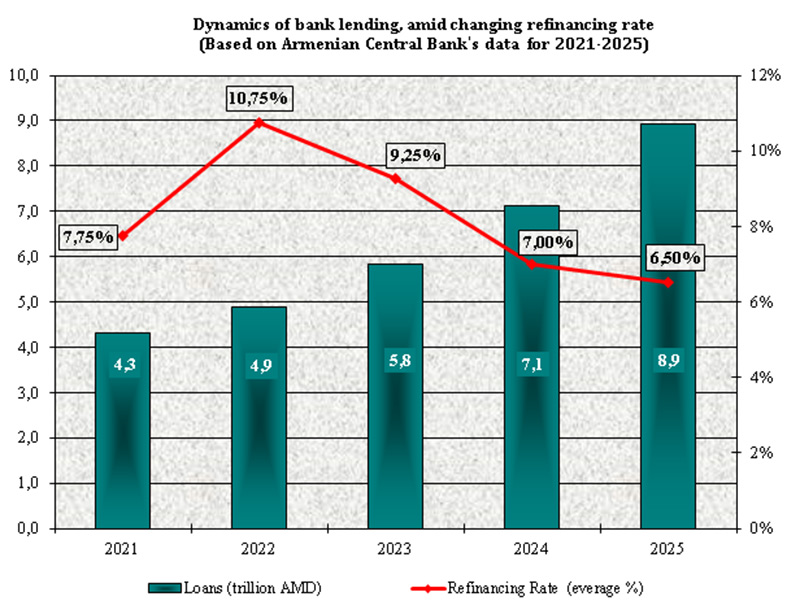
According to him, the Armenian economy continues to be captivated by the consumer model. The main sources of growth are imports and transfers from abroad, not increased domestic productivity. This, the economist pointed out, offers short-term benefits, but also poses a profound vulnerability: dependence on external market shocks, worsening credit obligations, and an uncertain future. Without industrial development and the implementation of the concept of an export-oriented economy, without activating industrial and technological potential, real and qualitative progress remains elusive.
Today, fiscal policy doesn't embody the spirit of a macroeconomic strategy, but rather resembles an accounting tool for revenue and expenditure. But the budget shouldn't be a ledger, but an engine of the economy, creating jobs, stimulating industry, and strengthening scientific and technological potential. It is precisely these unfulfilled goals that make fiscal policy not a strategy, but a mere technique.
Government promises remain micro-level patches. Small programs implemented in a few villages or focused on one or two sectors cannot change the logic of the entire economy. These are temporary temptations designed to ensure short-term satisfaction for the population. But without a well-thought-out concept of the overall picture, these promises are doomed to quickly disappear.
Gentlemen, if we want deep reforms, we must talk not about petty promises, but about systemic actions. A new tax system, an economic model oriented toward exports and industry within the framework of the concept of a small economy, a concept of balanced territorial development, the development of logistical and institutional capacity. "And all this is in the context of a sincere desire to restore public trust. It is precisely this discourse that raises public expectations and simultaneously strengthens trust in the national program," David Ananyan concluded.