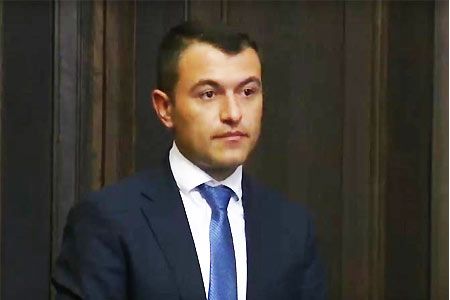


ArmInfo. Armenia will decide on the model of its new power unit within one to two years, as stated by Prime Minister Nikol Pashinyan during a government hour in parliament on October 1. According to Pashinyan, discussions are currently underway with Russia, the United States, France, South Korea, and China.
"Dialogue is underway with five partners. These discussions are practical in nature: our expert groups are visiting or planning to visit various countries for observation and study. However, we must make a decision within the next five years and sign an agreement, which will not have a geopolitical or foreign policy context," he said.
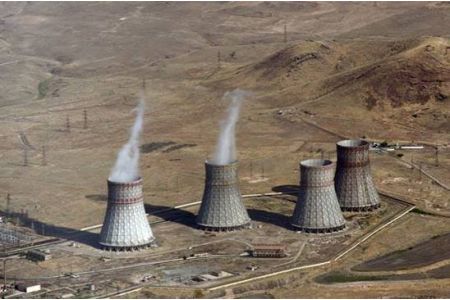
The Prime Minister emphasized that Armenia plans to build a new nuclear power plant using small modular reactor (SMR) technology. "We want to do this while maintaining the best possible price, safe technologies, and a quick payback," Nikol Pashinyan clarified.
Earlier, in a conversation with ArmInfo, energy security expert Artur Avetisyan stated that, as a specialist, the SMR option, whether Russian, Chinese, American, or French, is unacceptable. "Firstly, because there's an element of uncertainty, and secondly, I think Armenia risks missing the deadline. After all, it's not just a matter of making a decision. It will also take time to implement and implement as-yet-untested technologies," Avetisyan noted.
"If Armenia had 10 or even 20 years to study and make a decision, then perhaps we could take a break and take stock, but we don't have that time; we need to make a decision today. Currently, given our capabilities and, most importantly, the information available, two options are preferable for Armenia. The first option is the one proposed by the American company Westinghouse (one of the leading electrical engineering companies in the US)-the construction of two nuclear power plants, each with a capacity of 300 MW. The second option is the nuclear power plant project proposed by the Russian side, with a capacity of 1,200 MW, but subject to a long-term electricity supply agreement with Iran, so that we can become a guaranteed supplier of electricity to Iran, which will ensure the safe and efficient operation of this nuclear power plant.
The first option will be more expensive, as American technology is more expensive. However, the US may be willing to offer more favorable terms, which would offset the higher cost. "In both cases, although with great difficulty, I think we will meet the deadline," Avetisyan noted.