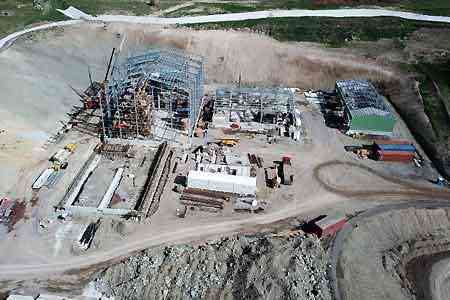


ArmInfo. Construction work is currently underway at the Amulsar gold mine, and at maximum capacity, the mine is expected to produce 8-10 tons of gold per year. Armenian Finance Minister Vahe Hovhannisyan stated this in an interview with the research publication Hetq. He noted that this will be achieved gradually, step by step.
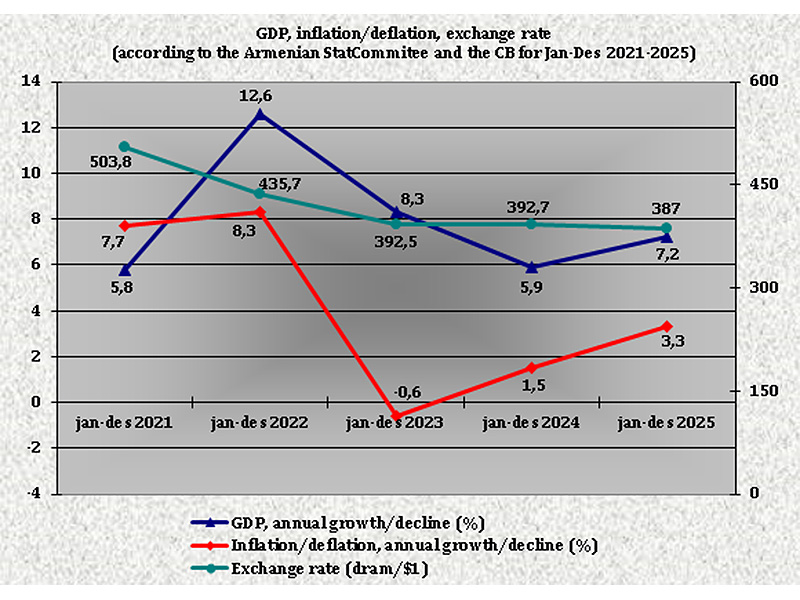
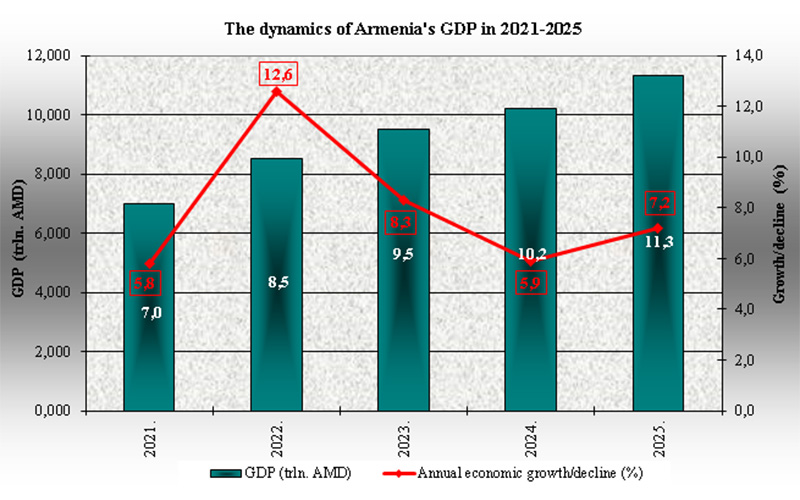
According to the Minister of Finance, the restart of the Amulsar project will contribute approximately 1.2 to 1.4 percentage points to Armenia's GDP growth. "We will achieve this within a few years," Hovhannisyan noted. He also added that the operation of the Amulsar mine will also impact the 2026 budget, as the Ministry of Finance projects that the mine will be able to produce half its maximum capacity by 2026.
As a reminder, when announcing the start of construction in August, the company assured that the continued operation of the mine would be of great importance for the country's economic development, particularly for the communities surrounding the village of Amulsar. In this regard, it was noted that, given current international gold prices, the company plans to pay approximately $100-120 million USD (approximately 46 billion AMD - Ed.) per year in taxes and royalties to the country's budget during the mine's operation. "Furthermore, 6,000 jobs will be created, and Armenia's gross domestic product (GDP) is projected to increase by another 1%," the company concluded.
As a reminder, since the end of 2018, the Amulsar gold mine has been blocked by environmental activists. The government has been unable to resolve the issue of resuming construction of the mine, and operations have been suspended. The total cost of the Amulsar project is approximately $400-450 million. The mine's life is estimated at 10-11 years, with an average annual gold production rate of 200,000 ounces. The deposit holds the second-largest reserves in Armenia. According to the company, the deposit contains approximately 73,733 kg of gold with an average grade of 0.78 grams per ton, as well as 294,367 tons of silver with an average grade of 9.29 grams per ton. It is located in the southeast of the country, 13 km from the city of Jermuk, in the interfluve of the Arpa and Vorotan rivers.