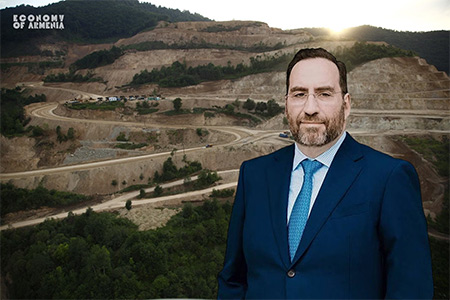
ArmInfo. What is the point of economic growth if it doesn't bring new life, new families, or a new generation? This question was posed by former Chairman of the RA State Revenue Committee, David Ananyan, commenting on the demographic situation in Armenia on his Facebook page.
According to his post, as of October 1, 2025, Armenia's permanent population was 3,090,500. The figures represent a slight increase, but the source of this growth is clear: it is not due to natural reproduction, but to the registration of compatriots displaced from Artsakh.
The actual demographic picture continues to worsen. In particular, the country is experiencing a 4.8% decline in the birth rate. In January-October 2025, 26,768 children were born, while in the same period of 2024, 28,109 were born. That is, the birth rate decreased by 4.8%. The population viability ratio (birth/mortality rate) also decreased: 133.3% - 127%. "This means that the natural increase 'reserve' is depleted, having decreased by 19%. Natural increase fell from 7,022 to 5,688, that is, a decrease of 19%.
This is not a normal fluctuation. This is a decline in the country's biological reproduction, occurring amidst announcements of economic growth. A decrease in the number of marriages is also being observed - 12.2%. In January-October 2025, 11,574 marriages were registered, while in the same period of 2024, there were 13,175.
The main reason for the decline in the number of marriages by approximately 12.2% is that people have become less confident about the future, are delaying decisions about starting a family, and are more likely to postpone the realization of their desires regarding reproduction (having children). Against this backdrop, the divorce rate is rising: 348 cases per 100,000 population. If in January-October 2024, the divorce rate was 294/1000, then for the same ten months of 2025 it became 348/1000. This isn't just a figure, but an indicator of the destruction of family stability. When the divorce rate increases and the birth rate declines, the country enters a long-term demographic risk zone," David Ananyan noted.
He also pointed out the increase in mortality among children aged 0-1 and 0-4 years. According to preliminary data for 2025, the mortality rate for children aged 0-1 years has increased by 1.5%, and the mortality rate for children aged 0-4 years has increased by 13%. "These figures mean that our healthcare system doesn't meet the requirements for managing risks to children.
This is not just a social issue anymore; it has become a matter of national security. When, against the backdrop of vaunted economic growth, the birth rate declines, the number of families decreases, the divorce rate increases, and natural growth falls, this is no longer statistics, but a profound process of losing national resilience. Economic growth holds no value if it doesn't improve the quality of life. If a country fails to replenish its population, if the family is not the foundation of society but the bearer of the social burdens, then all economic indicators lose their significance," the former head of the State Revenue Committee concluded.