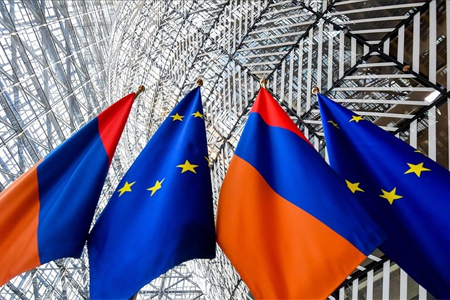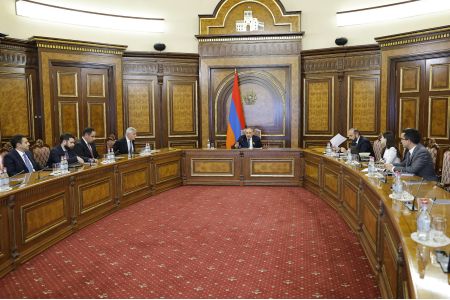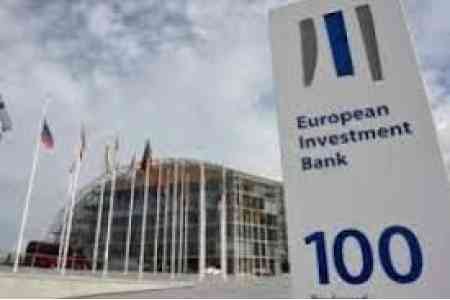
ArmInfo. The European Investment Bank (EIB) will provide a 50 million euro loan to Armenia for the implementation of the "Armenia - Sustainable Syunik" program (CEF+, Special Investment Window 1). During an extraordinary meeting on December 16, the National Assembly of the Republic of Armenia will discuss the draft agreement with the EIB submitted by the Armenian government for ratification.
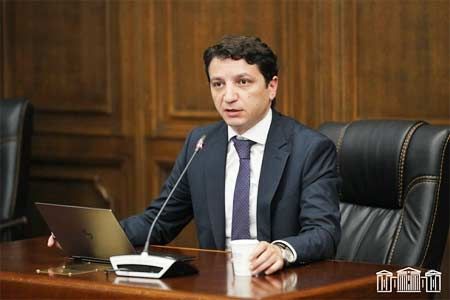
Kristine Ghalechyan, Deputy Minister of Territorial Administration and Infrastructure of the Republic of Armenia, noted in her speech that the agreement was signed on July 16, 2025. In addition to the loan, the program will also receive co-financing from the Government of the Republic of Armenia to cover taxes, duties, operating costs, and other expenses not eligible for loan funding. The project financing agreement will be effective for 12 months, and will be completed over a period of five years.
The program is designed to deliver targeted support through multi-sector investments in the Syunik region, addressing the socio-economic challenges that have emerged from recent conflicts. The initiative focuses on communities in Syunik that have been severely impacted by the war, particularly those areas accommodating displaced individuals or recovering from the conflict's aftermath.
The program will offer effective technical assistance and oversight for the implementation and monitoring of its subprograms. These subprograms will prioritize infrastructure improvements, specifically in water supply, healthcare, and education, with the goal of enhancing community resilience and fostering economic recovery.
Key investment areas within the program include enhancing access to quality health services, providing quality technical and vocational education, and developing water supply systems for both communities and households. Additionally, the program aims to improve economic and employment opportunities, as well as access to quality services for conflict-affected and displaced individuals, particularly in healthcare and livelihoods. Furthermore, the program plans to reconstruct medical and educational facilities, modernize water supply infrastructure, enhance energy efficiency, and provide professional guidance to ensure effective management of the program.