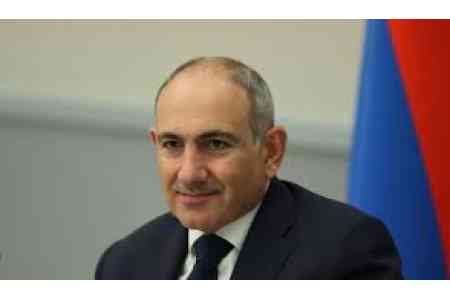
ArmInfo. Increasing pensions won't solve the problems of pensioners in Armenia. Prime Minister Nikol Pashinyan recently used a case study, or case-control study, to identify a similar "pattern" using the example of one specific pensioner who complained that he couldn't heat his home with his pension.
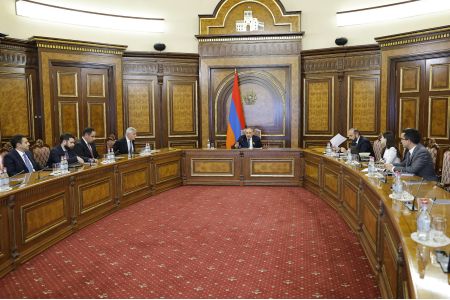
"Just recently, last year, I had a conversation with a highly respected pensioner. He said he receives a pension of just over 50,000 drams, and spends about 27,000-28,000 on heating his home, but he still can't get warm. He says the government must now increase pensions so he can at least heat his home," Pashinyan said at a cabinet meeting on January 8.
After this conversation, he said he began "studying the situation at a specific address, at a specific building." "And I've noted for myself that if, for example, we raise pensions by 20,000 drams, then the same citizen will spend not 27,000, but 35,000 drams on electricity and heating, but the house still won't get warm, since there are numerous problems in the house, from the windows to the walls," Pashinyan explained.
Thus, the head of the Armenian government concluded, the authorities will not solve pensioners' problems by increasing payments.
As a reminder, on December 3, Pashinyan expressed doubt from the parliamentary rostrum that pensioners are capable of wisely managing their finances and spending their money. "So we're thinking, let's increase pensions by 10-11 thousand drams. What will pensioners do with it? What will they spend it on? Our research shows that citizens' top expenditure is healthcare. Therefore, why give people this money? So they won't know how to effectively use this money for their health? Well, they'll go to the pharmacy and buy the wrong thing. They'll receive the wrong medical care. But we're investing these 10 thousand drams in health insurance, creating a system where they'll likely receive services worth not 10, but 20, 30, 40, 50, or even perhaps 100 thousand drams," he said. It should be noted that, according to data for the first half of 2025, the total number of pensioners was 500,300, of which approximately 384,800 receive a labor pension and 101,800 receive a disability pension. The remaining approximately 15,000 people receive other types of pensions (for the loss of a breadwinner, for length of service, and several others). The number of working pensioners in the first half of 2025 was approximately 112,000 (approximately 22% of the total).
At the beginning of 2026, the minimum pension was approximately 36,000 drams, and the average pension was approximately 49,000 drams. Meanwhile, by the third quarter of 2025, the cost of the minimum consumer basket per person was 81,681 drams, and the food basket was 44,152 drams.