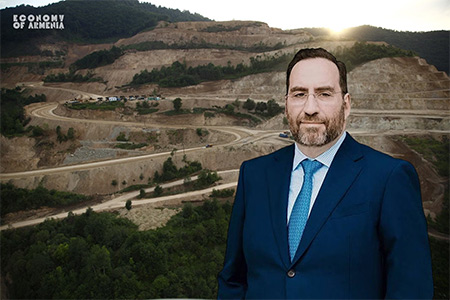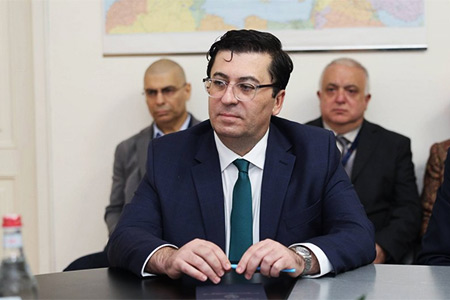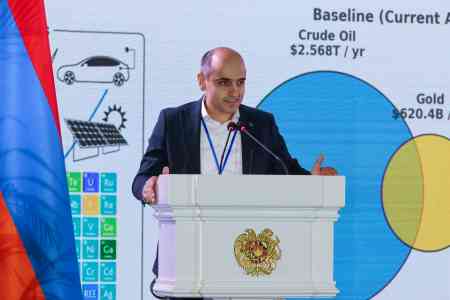



ArmInfo.The developments in and around Iran cannot but affect economic relations with neighboring countries, primarily Armenia, as stated by Doctor of Economics and Professor Tatul Manaseryan during discussions between Armenian and Russian officials on March 2.
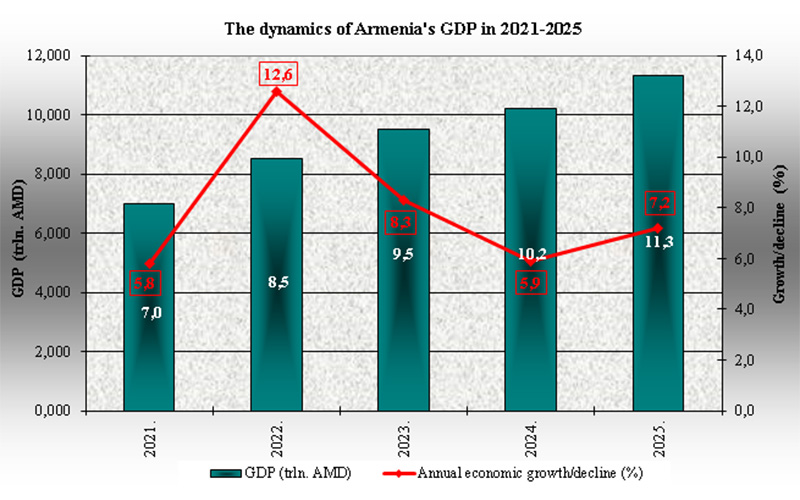
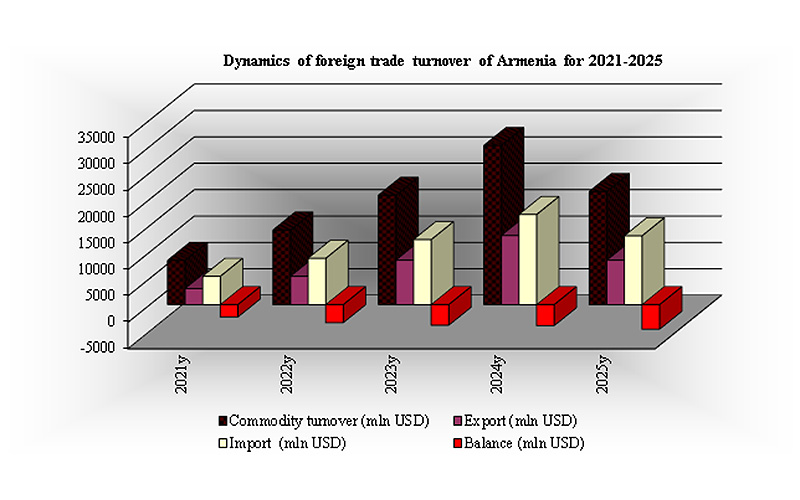
According to him, the first and most important impact is the energy sector. Almost half of Armenia's total exports in 2025, the economist continued, are accounted for by the electricity exports to Iran. Some electricity is also supplied to Georgia and Turkey, but this is not enough. "Military actions in Iran will be a big blow to energy projects between Armenia and Iran. They have already led to some threats to Armenia's energy security, not to mention the plans for which agreements have been reached, and investment security," Tatul Manaseryan said.
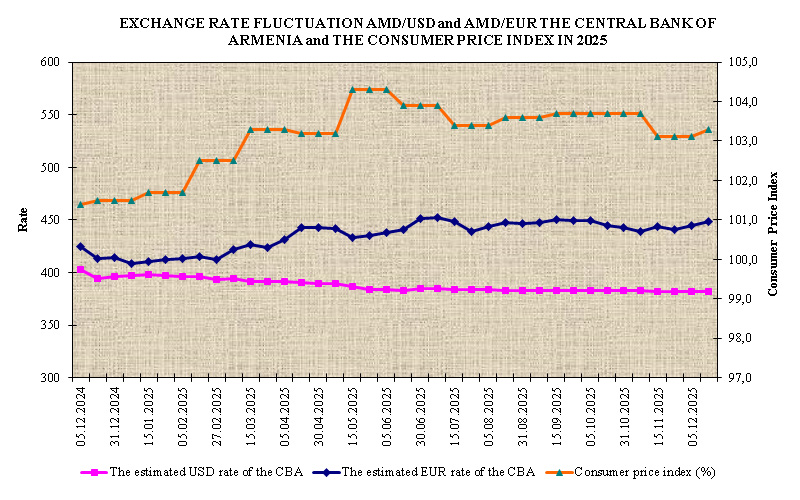
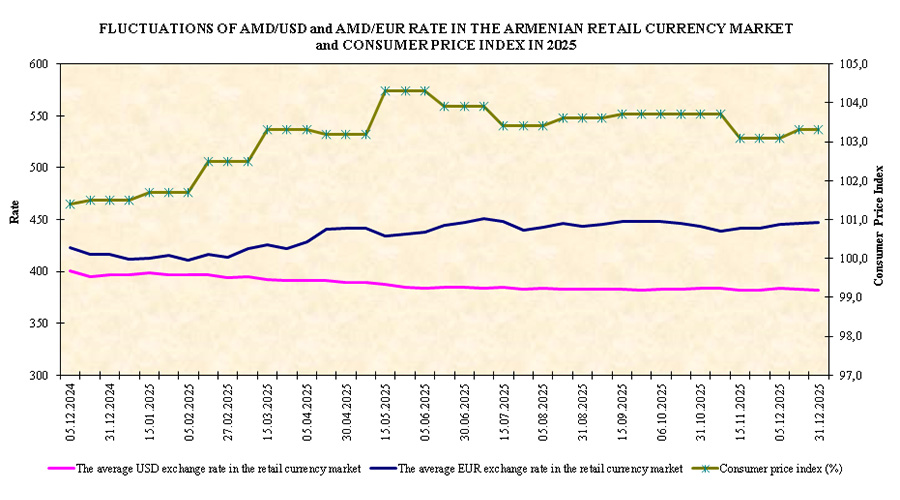
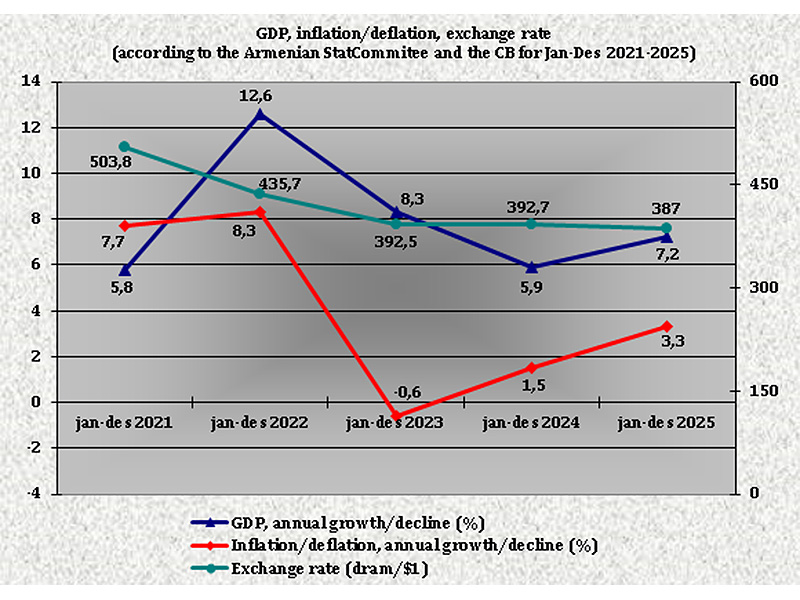
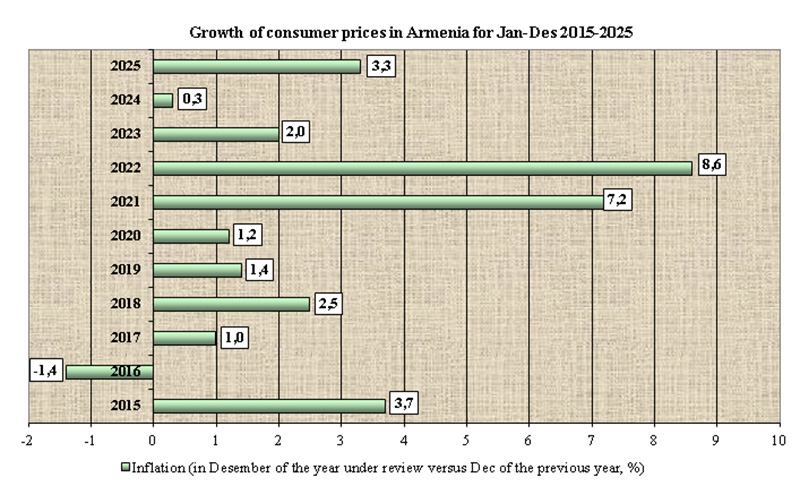
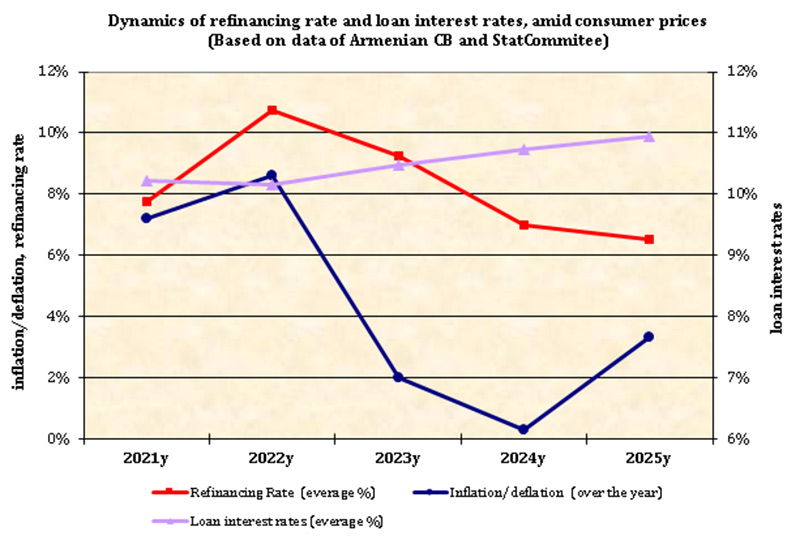
He added that tourism and other visits by Iranians a significant role in the country's development, which had a certain impact on Armenia's economy and the solvency of its population when Armenian citizens rented out their properties to them, generating income. Now, amid the escalation of military action, an influx of Iranian refugees into the country cannot be ruled out, especially Iranian political refugees, who are still queuing at the US Embassy in Yerevan awaiting visas. Tatul Manaseryan noted that over the past two years, the number of Iranian visitors to the US diplomatic mission has several times exceeded the number of Armenian citizens. It is not difficult to predict that this number will increase significantly. From this perspective, the country may also face demographic consequences that could negatively impact the financial sector and the further revaluation of the Armenian dram. The Russian-Ukrainian crisis alone, the Doctor of Economics continued, has resulted in the Armenian national currency appreciating by almost 20%. Consequently, a parallel process of price increases is underway, which could not but negatively impact the consumer market, despite the fact that by the end of 2025, the inflation rate is within normal limits and will not exceed 3%. However, the economist predicts that price increases, particularly for basic foodstuffs, will be inevitable.
In this context, Tatul Manaseryan also pointed to food security. A small portion of Armenia's food market depends on imports from Iran. He recalled that in the first years of independence, it was Tehran that helped the country survive difficult conditions. The economist pointed out the paradoxes of Iran, a closed country, yet one that boasts free economic zones, not only in Anzali, which could potentially become technology hubs. In this regard, cooperation with Iran could be of considerable importance for Armenia's technology sector.
Tatul Manasaryan also noted the threats associated with the possible collapse of the North-South axis. In Armenia's current situation, choosing a strategic vector and a stabilizing framework is crucial, the professor concluded.