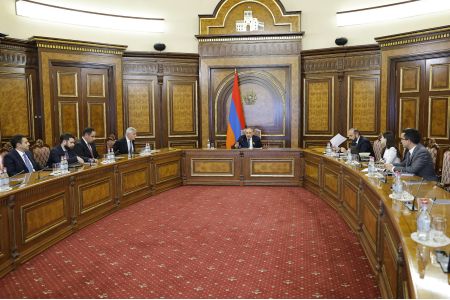
ArmInfo.Starting in 2028, the Armenian government will move toward a system of inflation-indexed pensions, as announced by Prime Minister Nikol Pashinyan at a government meeting on March 5, where a resolution to increase pensions and benefits effective April 2016was adopted.
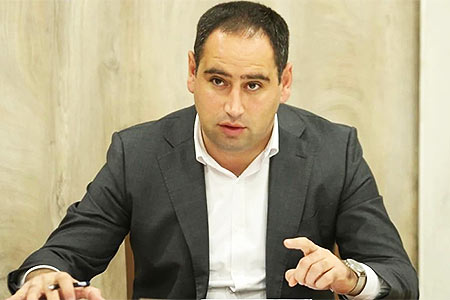
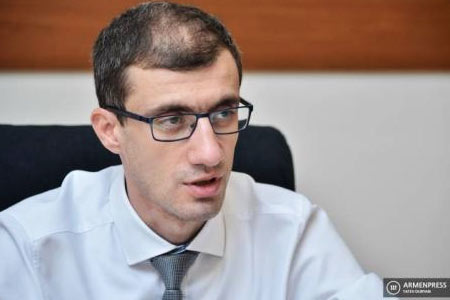
As Deputy Prime Minister Tigran Khachatryan noted, the issue of correlating the minimum food basket with the minimum pension was resolved long ago. According to him, the cost of the minimum food basket is 34,500 drams, and the minimum pension, following the last increase, was already 36,000 drams. Even accounting for inflation and excluding the April First's increase, the Armenian government has already fulfilled its programmatic promise to increase pensions. The same is true to the correlation between the average pension and the minimum food basket. (Meanwhile, by the third quarter of 2025, the cost of the minimum consumer basket per person according to the World Bank methodology was 37,200 rubles, and according to the Armenian Ministry of Health methodology, 78,836 rubles - ed.). Pashinyan noted that it is necessary to ensure that pensions consistently meet minimum living standards, and to do this, they need to be indexed regularly.
Also, the Prime Minister stated that the indexation will be delayed so as not to disrupt the budget process. And, since the system is scheduled to begin operating in 2028, indexation will need to be planned for the 2028 budget as early as the end of 2027. Regarding whether the state budget will be able to handle the increase in pensions and benefits, Tigran Khachatryan noted that the Armenian government, having weighed all the risks, has concluded that they are manageable. This will require an additional 78.7 billion drams ($205 million), which will be allocated quarterly, and additional taxes generated by strong economic growth will follow.
"That is, at least half of this amount will be provided through additional tax revenues, and the rest will be covered by the reserve fund and the reallocation of budget funds. So, I want to assure you that everything is manageable," he stated.
In turn, Finance Minister Vahe Hovhannisyan pointed out that they expect to collect 40 billion drams in taxes this year above the state budget target. "We also have reserve funds that are being formed to address various issues," he said. And this is despite the fact that the department headed by Hovhannisyan, in its conclusion on the project to increase pensions and benefits, has described this initiative as quite risky.