

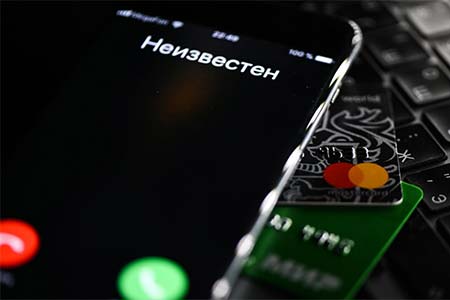
ArmInfo.The RA Central Bank's (CBRA) study based on information received and regular messages from citizens, has revealed a significant increase in telephone fraud cases, as noted in a statement issued by the CB RA.
"Fraudsters often pretend to be employees of telecommunications company and contact citizens (mainly through WhatsApp), offering to perform certain actions in their phone settings to improve internet connection or activate 5G. In most cases, these scammers communicate in Russian and pose as technical specialists to gain trust, offering actions like to enable screen sharing; download or install a file or application sent by them. "Warning: If a citizen performs these actions, the fraudster will be able to remotely control the phone and gain access to banking apps, personal data, and account numbers, which could lead to the loss of funds," the Central Bank noted in a statement. The Central Bank of Armenia once again warns citizens: "No telecom operator or bank will ever ask you to install files on your phone or enable screen sharing. Do not install any apps or files from links sent by unknown persons. Do not enable screen sharing on your phone, and do not disclose passwords or verification codes."
The Central Bank urges citizens to be more vigilant and cautious, as the main goal of these fraudulent schemes is to steal personal data and funds.
Recall, the Central Bank of Armenia recently announced that it is introducing self-protection tools and mechanisms to combat fraud: starting July 1, 2026, consumers will be able to block online transactions with one click via mobile banking and the organization's website. Unblocking will only be possible after identification and verification of the consumer's identity. This will allow consumers to better manage financial transactions conducted in their name and be more protected from fraud. For example, it will be possible to block online loan applications, online withdrawals from deposit or savings accounts, and other online transactions via mobile banking.
Before the tool's launch by financial institutions, the Central Bank will provide additional information and reminders to consumers about the procedure and its application. After July 1, the tool will become mandatory for banks, branches of foreign banks, credit companies, payment and settlement organizations that carry out money transfers and provide financial services remotely.