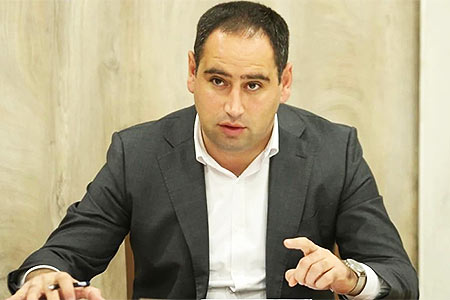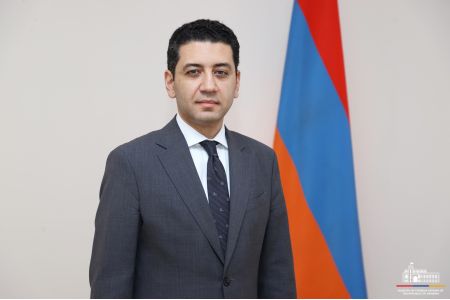
ArmInfo.According to estimates by the Central Bank of Armenia, an escalation of the conflict in the Middle East could have a 1.2-1.7% impact on the country's inflation. Central Bank Chairman Martin Galstyan made this forecast during a press conference on March 17.
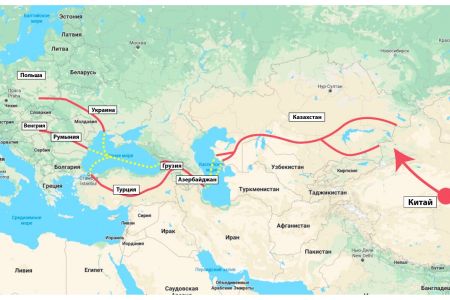
He cited rising oil prices, a certain price increase due to the use of alternative import routes, and the substitution of certain food products from Iran as subcomponents. "These are risks that impact inflation to a certain extent," the head of the Central Bank explained. According to the Regulator's assessments, the conflict adds stagflationary risks: on one hand, the likelihood of a slowdown in global economic growth increases, which could negatively impact Armenia's economic development, while on the other hand, inflationary pressure increases, which is undesirable for the country's economy.
One of the negative consequences could be restrictions on Armenian producers selling their products in Middle Eastern markets. He specifically noted the United Arab Emirates, which has recently been viewed as an important hub for the export and import of Armenian products. "We believe there are certain accumulated risks here," he emphasized. Galstyan drew particular attention to the dynamics of oil prices, which, in addition to their direct impact on inflation, also have a secondary effect. "Oil and energy resources are included in certain proportions in the final cost calculation, which could lead to an increase in its price from a supply perspective," the head of the Central Bank emphasized.
It should be noted that global oil prices, due to the sharp escalation of the situation in the Middle East, have risen significantly in recent weeks, reaching the $90-$100 range compared to the $60-$65 range at the beginning of 2026. In this situation, the International Energy Agency has announced an unprecedented release of 400 million barrels of oil from member states' reserves, which effectively curbed further price increases. However, the Central Bank of Armenia notes: "Oil price volatility and the uncertainty of the outlook have increased significantly and will depend on the duration and scale of the conflict in the Middle East. On the other hand, under these conditions, there is also a risk of a further slowdown in global economic activity and demand."