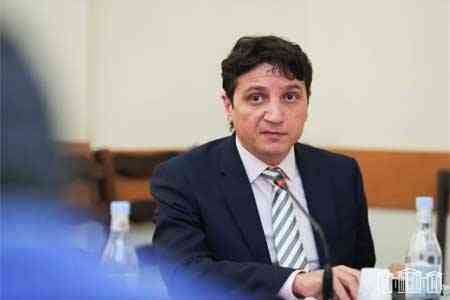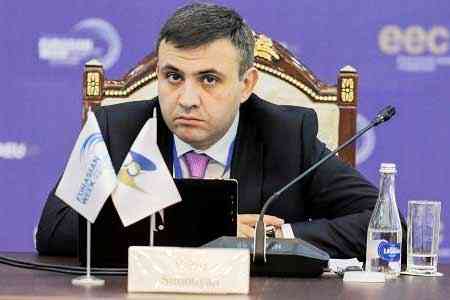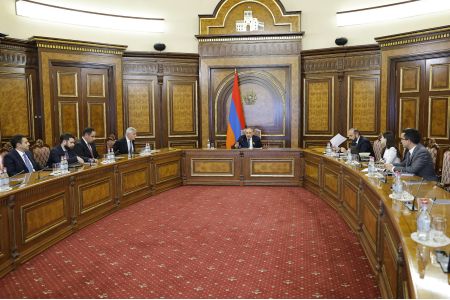


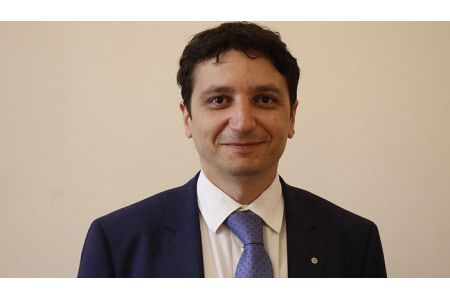
ArmInfo. The current digital public procurement platform in Armenia requires modernization. This was stated by RA Finance Minister Vahe Hovhannisyan on March 23 at a meeting of the RA National Assembly Committee on Financial, Credit, and Budgetary Affairs, during his report on the implementation of the RA government's 2021-2025 program by 2025.
According to the minister, the current platform, which was introduced quite some time ago, no longer corresponds to the volumes and reforms implemented in the country. For this reason, the minister noted, there is a need to develop and implement a completely new system that will provide higher-quality services. A tender was held last year, and a winner has been selected, who will implement the project. This is a globally renowned IT company that specializes in developing such platforms. A contract has already been signed with the company, and negotiations are currently underway to determine the implementation schedule for the new system.
The Minister also stated that, given the extensive reform package related to public procurement, the aforementioned platform will allow for its efficient implementation. Furthermore, it also offers extensive analytical capabilities.
Vae Hovhannisyan noted that it is too early to talk about the complete digitalization of the system, as there are still communities that prefer paper-based documentation. The goal is to complete the transition to an electronic public procurement system this year.
The Minister noted that training specialists in public procurement is another current challenge. Next week, the government is expected to adopt a large package of bills related to this area, which will attempt to address this issue. The system is slated to go into effect on January 1, 2027.
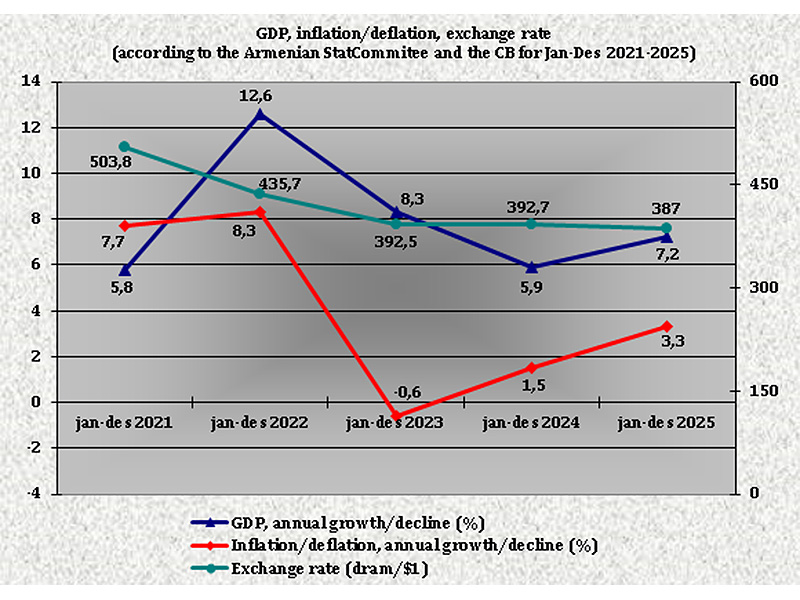
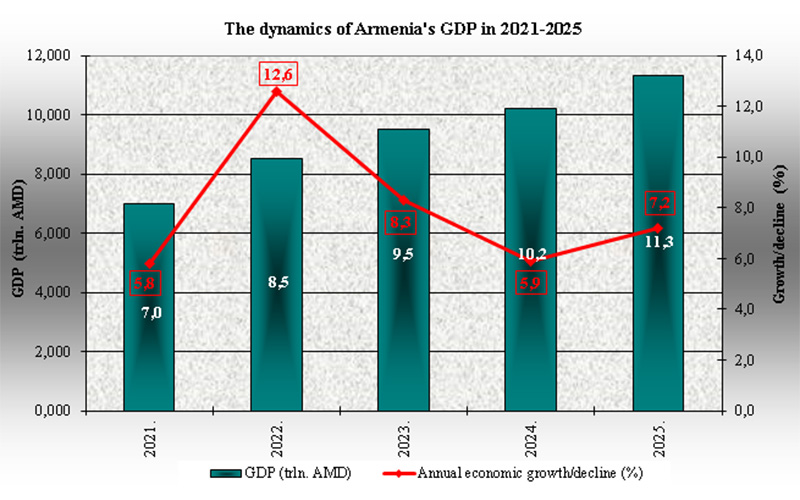
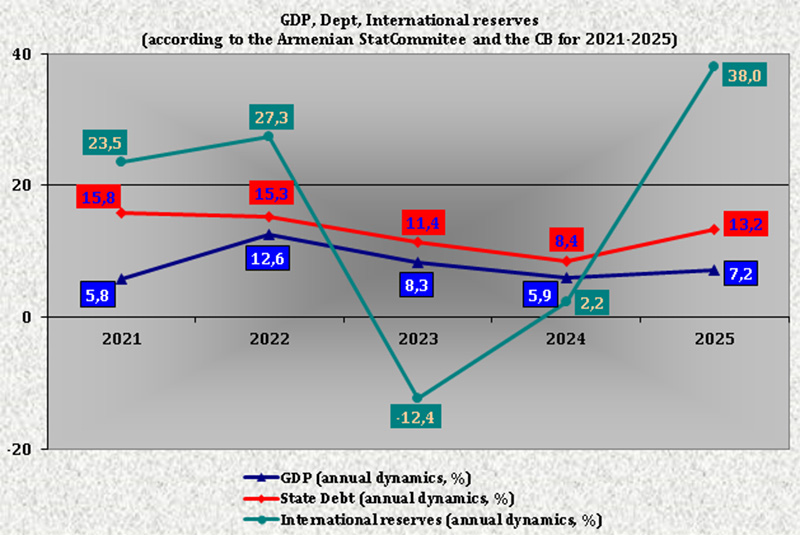
According to the government program, in 2025, GDP per capita in Armenia amounted to 3,666,540 drams or $9,474. The growth in dollar terms was 10.7% compared to the previous year and doubled compared to 2021. Moreover, compared to 2017, the indicator increased by $5,605, or approximately 2.5 times. High economic growth (7.2%) was recorded, as a result of which the average annual GDP growth in 2021-2025 amounted to 7.9%. By the end of 2025, state budget revenues amounted to 2 trillion 886.5 billion drams, which is approximately 307.3 billion drams or 11.9% more than in the previous year. Thus, 101.3% of the program established by the Government of the Republic of Armenia was fulfilled, which is 5.5 percentage points higher than the previous year. Total tax revenues and state duties amounted to 2 trillion 725.2 billion drams, which ensures 100.3% fulfillment of the established program and is 7.6 percentage points higher than the previous year. In 2025, tax revenues and state duties of the state budget increased by approximately 14% compared to the previous year, or an increase of 334.3 billion drams. State budget expenditures in 2025 amounted to 3 trillion 305.3 billion drams, an increase of 11.8%, or 350 billion drams, compared to 2024. The expenditure plan under the revised program was fulfilled at 95.8%, an improvement of approximately 2 percentage points compared to the previous year.
Compared with the previous year, capital expenditures increased by 144.8 billion drams, or 26%, amounting to over 702.5 billion drams. In 2025, capital expenditures under the revised program amounted to 89.6%, improving by 4.9 percentage points compared to the previous year. In the reporting year, capital expenditures in the economic and social sectors continued to grow, amounting to about 255.4 billion drams, an increase of 35.3% compared to 2024, and taking into account subsidies allocated for co-financing of community investment programs, about 293 billion drams, an increase of 31.6% compared to 2024. As a result of the high growth recorded in recent years, the level of capital expenditures in the economic and social sectors in 2025 (including a portion of subsidies) increased more than threefold compared to 2018 (3.5 times).