ArmInfo.Regulations on synthetic content will be tightened in Armenia. At an extraordinary session of the RA National Assembly, amendments to the law "On Audiovisual Media" are being discussed in the first reading.
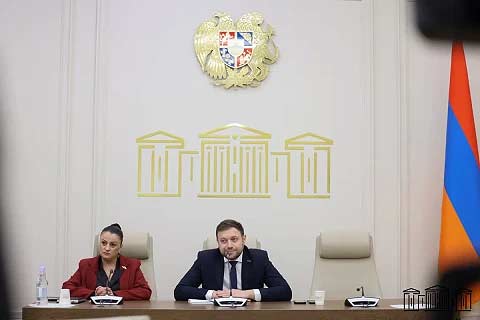
In his speech, RA Minister of High-Tech Industry Mkhitar Hayrapetyan noted that in recent years, the rapid development of information technology, and particularly artificial intelligence, has led to the widespread adoption of new methods for creating digital content. Using generative algorithms and artificial intelligence systems, it is possible to create audiovisual, graphic, and sound content that can be fully or partially realistic. Content created using such technologies is often referred to as synthetic content. While these technologies can have positive applications in the creative, educational, and technological spheres, their opaque use can also pose several risks. Specifically, synthetic content can be used to mislead the public, spread disinformation, damage the reputations of individuals, and influence public processes. In the audiovisual sector, the dissemination of such content can significantly impact the perception of information credibility, as audiences are often unable to distinguish real materials from artificially created ones. This can reduce public trust in the media environment and undermine information transparency.
The current legislation does not establish mandatory requirements for the identification or labeling of synthetic content when it is created or distributed. As a result, consumers are often unaware that the content they consume was created, in whole or in part, using artificial intelligence systems. In these circumstances, it is necessary to establish a clear legal definition of synthetic content and provide mandatory labeling requirements for audiovisual media service providers to ensure information transparency and consumer awareness. The draft proposes to enshrine in the Law on Audiovisual Media a legal definition of synthetic content as audiovisual, audio, or other information material created or modified, in whole or in part, using artificial intelligence systems or generative technologies. It also proposes establishing an obligation for audiovisual media service providers to ensure that such content carries clear, visible, or audible markings indicating that the content was created using artificial intelligence or was digitally modified or processed, in whole or in part, using other digital technologies.
The draft also defines marking methods depending on the content type (audiovisual, audio, or visual) to ensure the accessibility and comprehensibility of information for consumers. The draft also provides for penalties for violations of synthetic content marking requirements. The draft is expected to increase information transparency in the audiovisual sector, ensure consumer awareness of the origin of content, reduce the risk of disinformation and manipulated content, increase public trust in the media environment, and promote the responsible and ethical use of artificial intelligence technologies.