


ArmInfo. Armenia plans to build a large-scale AI data center (AI factory) called Firebird, with the participation of NVIDIA, focused on artificial intelligence technologies. With an investment of $500 million, the factory will be located in the city of Hrazdan, becoming one of the largest technological infrastructure sites in the region.
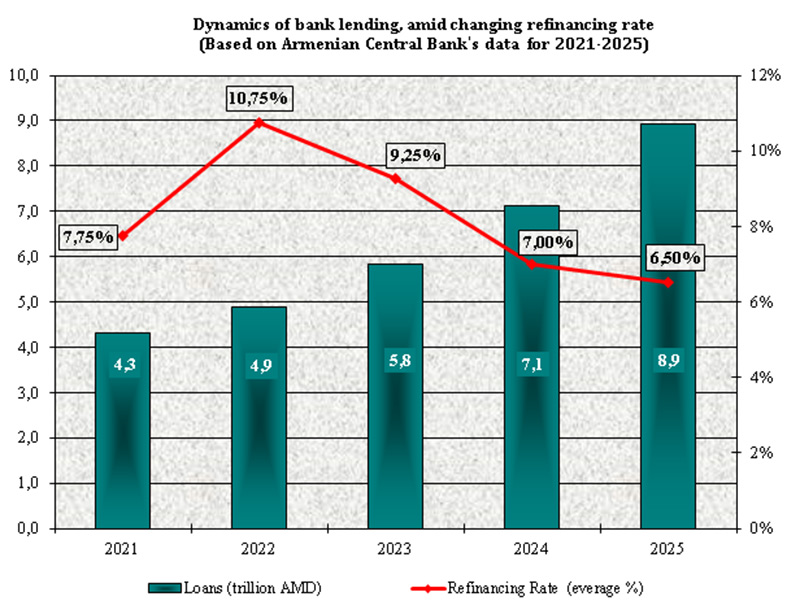
In an interview with a foreign publication (without the right to link - Ed.), Emmanuel Mkrtchyan, economic observer and director of the ArmInfo news agency, noted that the impact of this mega-project on the Armenian economy will be significant. This is the first project of this scale to be implemented in the newly independent Armenia. The project's initial ripples are already evident: Armenian financial institutions have issued their first large-scale syndicated loan for project financing.
"$300 million is a large sum for such a loan for Armenia. The funds will be used to implement the first stage of the project—the construction and launch of the first phase. Hopefully, the project would avoid delays in its organization, seen with the Engineering City project, the implementation of which has spanned 15 years from conception to commissioning and is still not fully completed. The participation of Armenian commercial banks in the project gives hope that the first stage will be completed according to the terms of the agreement and there will be no violations of the loan agreement, and in a year and a half, Firebird AI will begin the second main stage of commissioning the data center facilities—equipping it with the latest NVIDIA GB300 (Blackwell) chips and high-performance Dell PowerEdge servers," Emmanuel Mkrtchyan says.
In this regard, the expert emphasized the importance of the fact that only 80% of the Armenian data center's capacity is planned to be leased to American companies, while 20% will contribute to the Armenian economy, which is more than sufficient for the local AI infrastructure needs of science, medicine, business, and other sectors.
The Center will employ up to 500 specialists, but the project's importance is also due to Firebird's collaboration with universities and the ongoing training of specialists. Furthermore, the initial project implementation phase itself should include large-scale construction within the specified timeframe, employing 1,000 to 1,500 people. The importance of this phase lies in the specific construction technologies and implementation of infrastructure solutions. This represents new experience and new opportunities for the country's industrial and construction sector. This will provide a powerful cumulative and multiplier effect for the economy.
Mkrtchyan also noted that one of the most important areas will be the country's ability to reverse the negative trend in AI development, namely, stemming the brain drain. This is a crucial element of such projects. Instead of going abroad to work not only for salaries but also for professional growth, specialists working in foreign outsourcing will have the opportunity to do both in their home country. A data center is not an outsourcing project where specialists will have to perform highly specialized, routine, non-creative work (for example, testing other people's finished IT products), but will instead immerse themselves in the new and rapidly developing field of AI technologies.
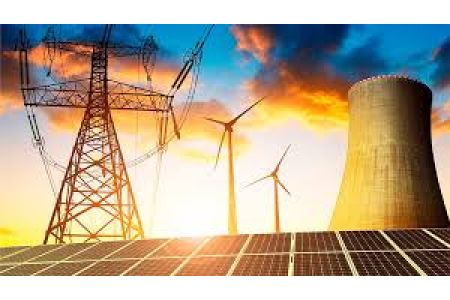
At the same time, the expert emphasized that the project will require significant energy capacity, and Armenia is completely unprepared for this. The energy consumption level of such a factory is comparable to that of a city with a population of 30,000. In the initial phase, the capacity will be sufficient, given that the country is currently energy self-sufficient. However, in the medium term, the country's economic transition to such flagship projects will require a stable energy supply. The only viable source for this would be a new nuclear power plant (NPP), which, given our capabilities, would take at least 15 years to construct.
"The government's indecision regarding the construction of a new nuclear power unit creates significant risks that could not only put an end to the implementation of new similar projects tomorrow, but also seriously hinder the complex and much-needed process of economic modernization and re-industrialization of the country," Mkrtchyan noted.