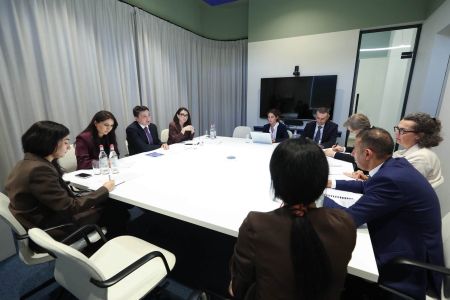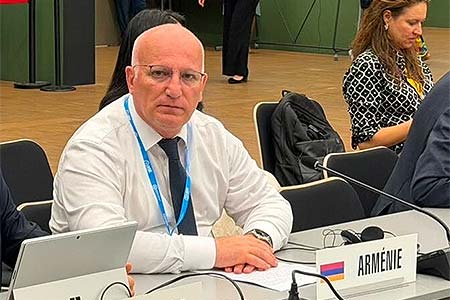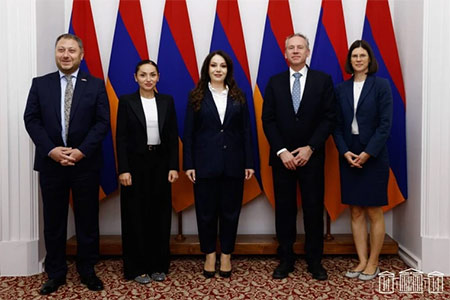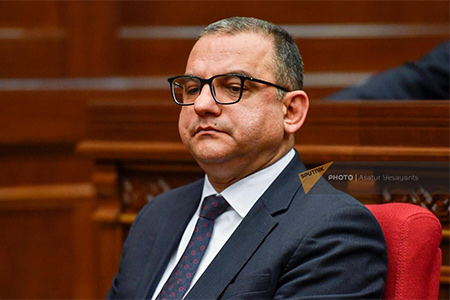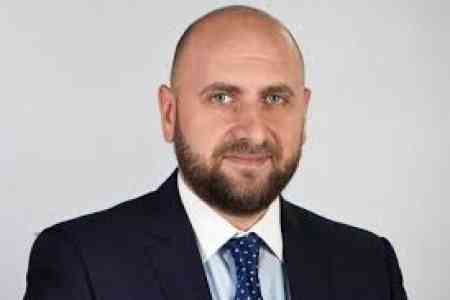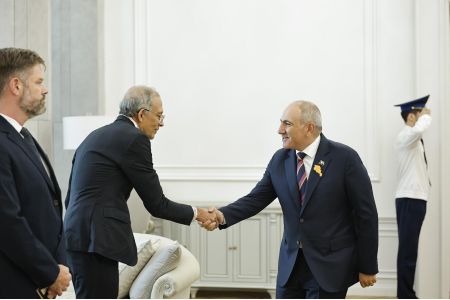


ArmInfo. Energy storage, green hydrogen, and renewable energy: these topics were discussed at a meeting between Armenian Ambassador to Germany Viktor Yengibaryan and the Director of the Rainer Lemoyne Institute, Professor Katrin Goldammer.
"Considering Armenia's vast resources and potential for renewable energy development, as well as its location at the center of the East-West Energy Corridor, the Armenian Ambassador and the Institute Director agreed to cooperate in the aforementioned areas," reads a statement posted by Yengibaryan on his Facebook page.
The Rainer Lemoyne Institute is an independent, non-profit research institute that has championed a future powered by 100% renewable energy since its founding in 2010.
The institute conducts applied and scientific research aimed at advancing the energy transition in Germany and globally.
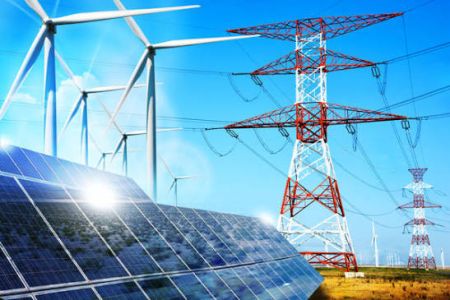
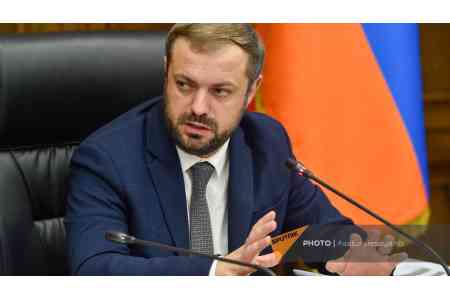
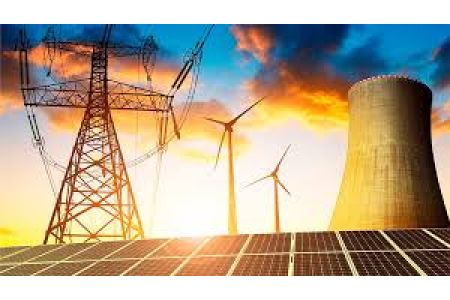
At its April 2 meeting, the Armenian government approved draft amendments to the laws "On Licensing," "On Energy," and "On State Duty." David Khudatyan, Minister of Territorial Administration and Infrastructure, noted that Armenia's energy system has seen a sharp increase in the use of renewable energy sources, particularly solar power plants, in recent years.
The country's strategic plan for the development of the energy sector through 2040 sets a target of constructing approximately 1,000 MW of solar power plants, including autonomous power generation units, by 2030. As of the end of 2025, 14% of all electricity generated in the country was generated by solar power facilities, with an installed capacity approaching 1,250 MW. Once the Public Regulatory Commission (PRC) issues the appropriate licenses for the construction of new solar power plants, this figure will exceed 1,300 MW.
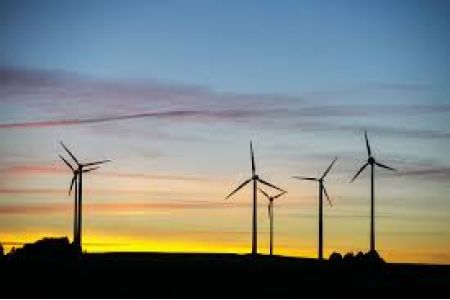
It should be noted that, according to the Statistical Committee of the Republic of Armenia, solar power generation in 2025 amounted to 1,626.8 million kWh, a significant increase of 66.9% year-on-year. Meanwhile, wind power plants reduced their output by 3% to 1.2 million kWh.