


ArmInfo. For Armenia, leaving the Eurasian Economic Union (EAEU) is not a geopolitical maneuver or an abstract "civilizational choice," but a self-inflicted blow. This opinion was expressed on his Telegram page by Vahe Davtyan, a specialist in cross-border transport and energy projects, political scientist, and PhD.
Regarding Russian Deputy Prime Minister Alexey Overchuk's statement that a meeting of the heads of state of the EAEU will be held in Astana at the end of May to discuss Armenia's status, Davtyan suggested that this resembles an approaching strategic choice, the cost of which could be extremely high for Armenia.
"For Armenia, leaving the EAEU is not a geopolitical maneuver or an abstract 'civilizational choice.' It's a shot in the foot. In both feet, at once. And, under certain circumstances, in the head," he noted.
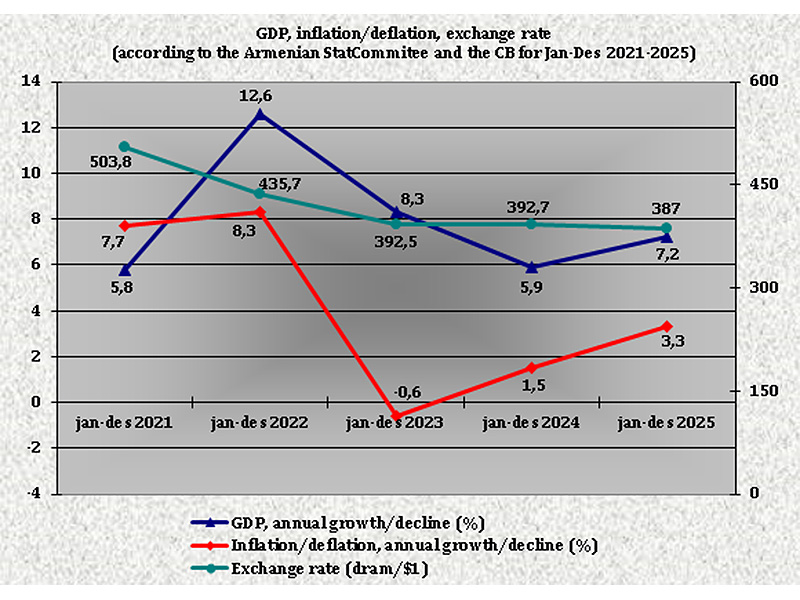
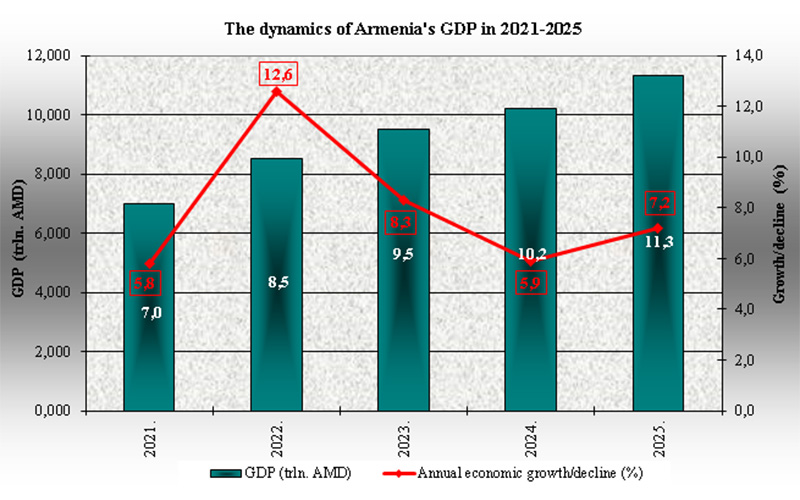
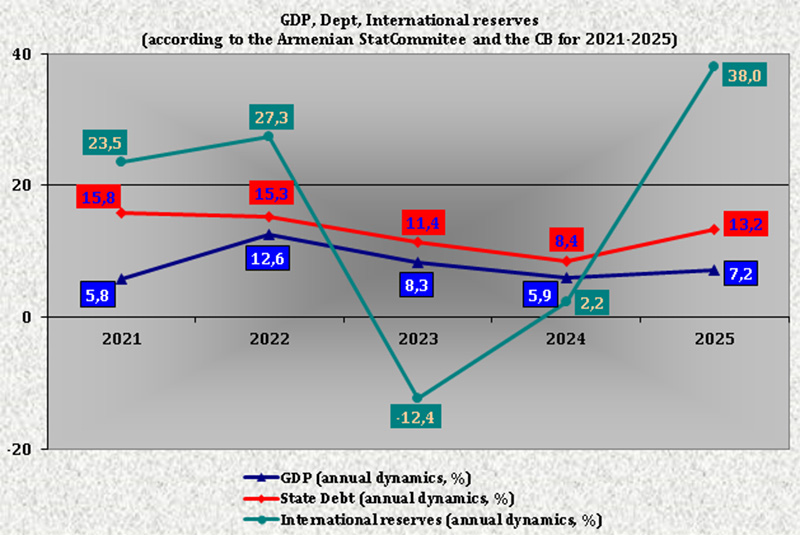
The expert noted that the Armenian economy has been developing within the Eurasian model for the past ten years. According to him, since joining the EAEU, the country's GDP has grown more than 2.5-fold, from $10 billion to $26 billion. He added that Armenia has gained access to the common market and the free movement of labor, capital, and goods. This has been complemented by preferential energy conditions, without which the Armenian economy in its current form simply cannot function without profound upheavals.
"Just compare gas prices: Russia supplies Armenia with gas at $177.50 per 1,000 cubic meters (taking into account the calorific value index). In Europe, the price exceeds $600. Azerbaijan is physically unable to meet Armenian demand. Iran can, but will synchronize its schedule with Moscow. After all, the Iran- Armenia gas pipeline is Russian property. And Yerevan itself is unlikely to understand diversification as involving the Iranian route.
In other words, a jump in gas prices under such a scenario is inevitable. A simple question arises: who will compensate for this difference? European officials? Grant organizations? Or, once again, Armenian consumers and Armenian businesses?" Davtyan asked.
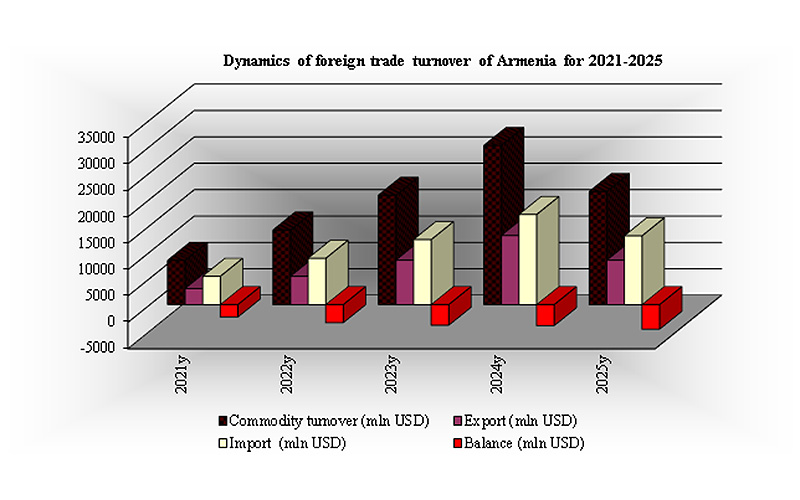
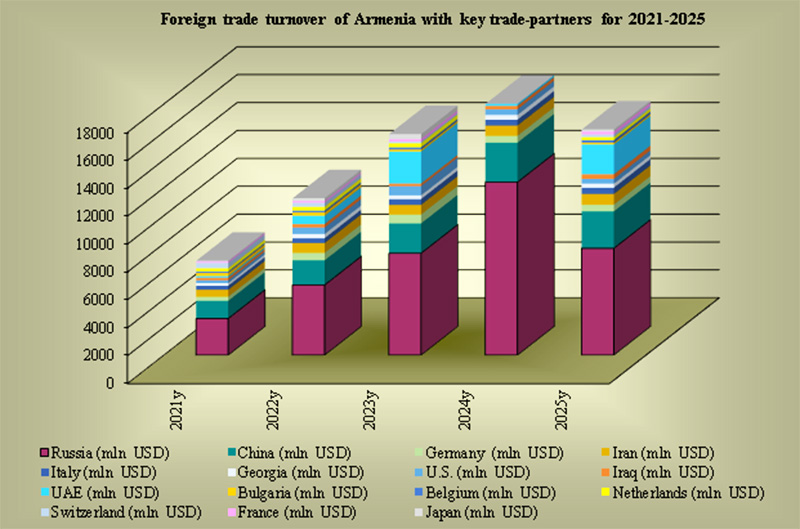
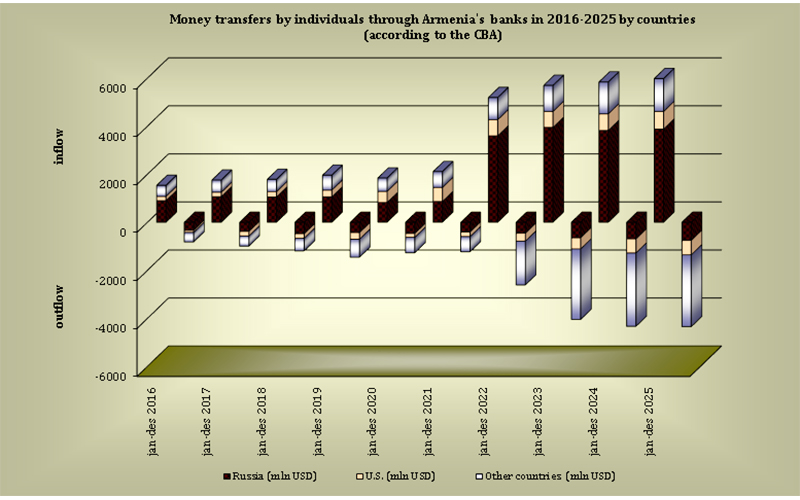
At the same time, he noted that even talk of Armenia's "European prospects" is already accompanied by a decline in trade turnover with Russia - minus 45% by 2025. Davtyan noted that the Russian direction alone accounts for a quarter of Armenian exports, industrial cooperation, money transfers, logistics chains, the labor market, and a significant portion of the country's economic stability.
"The main problem is that the Armenian authorities are trying to replace geoeconomics with political romanticism. But economics doesn't thrive on slogans. Geography isn't negated by statements. Armenia, unfortunately, is not a country with abundant resources or a self-sufficient economy capable of painlessly surviving the severing of key economic ties. In a context of regional turbulence, leaving the EAEU could trigger a chain reaction: rising tariffs, declining exports, declining industrial competitiveness, increased migration, and social tension," he continued.
He expressed his conviction that Armenia's withdrawal from the EAEU would undoubtedly and inevitably lead to a political crisis. "However, strategic planning has long been abandoned in Yerevan. The country is governed manually. And the main principle of this management is immediate impact," he concluded.
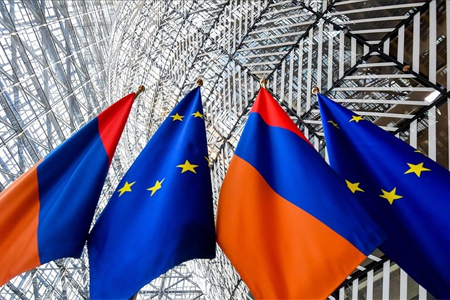
On January 9, 2025, the Armenian government approved a draft law on the start of the process of joining the European Union, proposed by the "Eurakve" civic initiative. The draft was submitted to the Armenian parliament for approval. On March 26, the country's parliament adopted it in its final reading and sent it to the president for signature. The document was signed on April 4 of that year. Moscow stated that Russia had conveyed to Armenia that simultaneous membership in the Eurasian Economic Union and the European Union was impossible.