


ArmInfo. The Armenian government will allocate 3.140 billion drams to fulfill its obligations to exporters. This decision was made at the Cabinet of Ministers meeting on July 9.
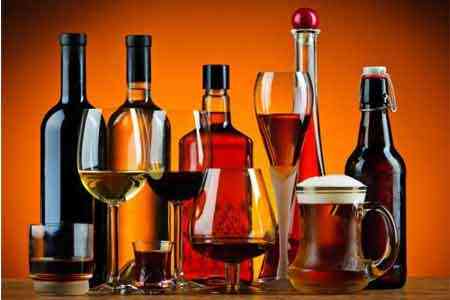
Presenting the draft resolution, RA Minister of Economy Gevorg Papoyan recalled that since June of this year, the Cabinet has been implementing measures to diversify markets. Specifically, an assistance pyrogram has been adopted, which provides financial assistance to entrepreneurs exporting domestic greenhouse agricultural produce, flowers, fresh fruit, and certain alcoholic beverages. The purpose of today's government decision is to fulfill its obligations accumulated as of June. In this case, the amount in question is 3.140 billion drams. Papoyan noted that the compensation figures themselves indicate significant export volumes. Thus, in June, 784 tons of peppers, 200 tons of tomatoes, 103 tons of strawberries, 3,000 tons of apricots, 1,400 tons of cherries, 1.5 million liters of mineral water, 2,800 liters of grape wine, and 1.3 million liters of other alcoholic beverages were exported. In June and July, Armenian fruits were exported to 15 countries, flowers to 25 countries, and vegetables to 8 countries.
In this regard, RA Prime Minister Nikol Pashinyan noted that the presented figures indicate that the government's balanced policy is yielding results. At the same time, he acknowledged that previous export volumes are not expected, but the beginning is important. The very fact that over 3 billion drams worth of products were exported in just one month may indicate significant volumes, despite all the existing difficulties.
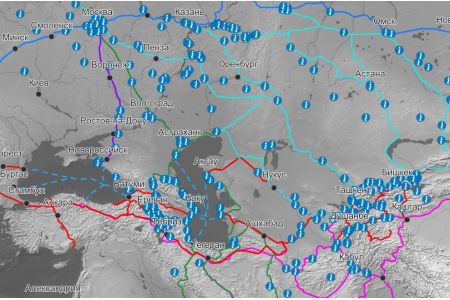
At the end of May, Rosselkhoznadzor (the Federal Service for Veterinary and Phytosanitary Surveillance) banned the import of flowers from Armenia, and restrictions were also imposed on the import of fresh tomatoes, cucumbers, herbs, and strawberries. Furthermore, the agency reported the discovery of substandard alcoholic beverages produced in Armenia. Effective June 2, Rosselkhoznadzor restricted the import of cherries and grapes and required the cessation of certification of live fish for export to Russia. Effective June 3, restrictions were imposed on apples, pears, quince, eggplant, potatoes, and dried fruit. The transit of these products to EAEU countries is also prohibited.