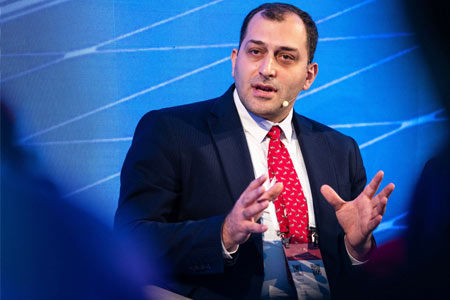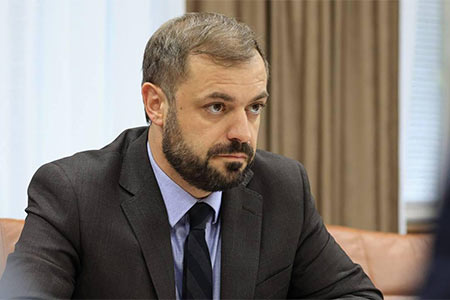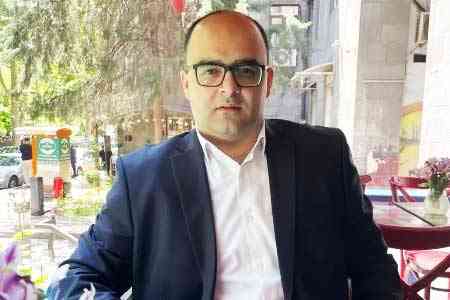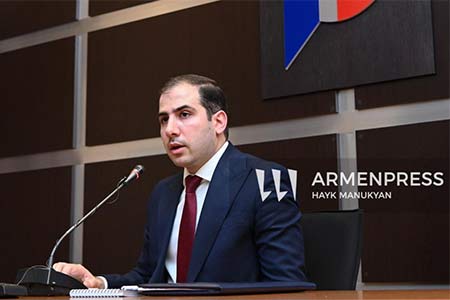


ArmInfo. Armenia intends to transition from outsourced commercial research to a centralized, state-managed customs examination system. This was announced by Mikael Khachatryan, Armenia's Customs Attache to the European Union and the World Customs Organization, during his participation in the 9th Seminar of European Customs Chemistry Specialists, which took place in Stockholm.
According to him, the implementation of this reform will contribute to strengthening border security and protecting public health. The Attache presented the seminar participants with a roadmap for implementing this initiative and discussed the current customs examination system in the country and its development prospects. "To effectively address modern challenges, existing systems must not only be reactive, but also intelligence-driven. Such a system will enable timely risk identification, prevent the illegal movement of goods across the customs border, and reduce the incidence of misclassification of chemicals," noted Mikael Khachatryan.
Speaking about the importance of international cooperation, he also presented the progress of reforms being implemented in Armenia. The customs attache explained that, with the support of the German Society for International Cooperation (GIZ), a legal assessment of the future customs examination system's compliance with European standards was conducted. At the same time, a feasibility study aimed at comprehensively analyzing the conditions for the establishment and operation of a customs laboratory has been launched in collaboration with the European Bank for Reconstruction and Development (EBRD).
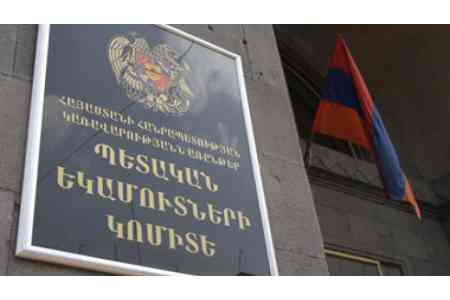
According to the State Revenue Committee (SRC), the seminar was organized by the European Commission's Directorate-General for Taxation and Customs Union (DG TAXUD) through the Customs Laboratory Network (CLEN), in collaboration with the Swedish Customs Administration. Priority areas for customs development were discussed, including e-commerce regulation, the use of artificial intelligence, the Cross- Border Carbon Management Mechanism (CBAM), and the expansion of international cooperation. It was noted that these areas will remain key topics for CLEN's future work.
The event was attended by approximately 190 representatives from 39 countries, including customs laboratory managers and chemists from EU Member States and accession candidates, as well as representatives from Armenia, the United States, Canada, and other partner organizations.
The three-day event featured interactive plenary sessions discussing current challenges and the activities of customs laboratories in the European Union and globally. Equipment manufacturers presented innovative technological solutions for the industry.