


ArmInfo. Agricultural procurers – processing enterprises of Armenia have begun to limit the volumes of agricultural products purchased from Armenian farmers. Today, several dozen farmers in the Ararat region temporarily blocked the Yerevan-Yeraskh highway as a protest action.
According to Channel 5, the villagers blocked the highway to draw the country's leadership's attention to this problem. According to them, such a situation occurs almost every year, but now the procuring enterprises say that due to restrictions on export opportunities caused by Russia's position, they have to limit the purchase of agricultural products to avoid losses. In this case, the enterprises limited the purchase of tomatoes and cucumbers.
"In 2025, we were promised that this year would be better, but this year is even worse. Our tomatoes are intended for factories, but they are not buying them, saying: we will not be able to export the products, so why buy? I currently have 60 tons, and I do not know what to do," said one of the participants in the protest action.
According to the villagers, the Minister of Economy Gevork Papoyan promised to resolve the issue with both tomatoes and cucumbers, but nothing has been done so far.
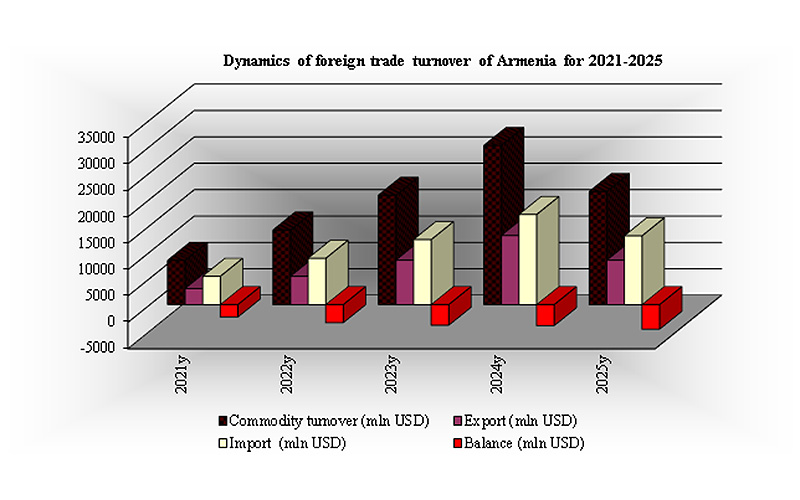
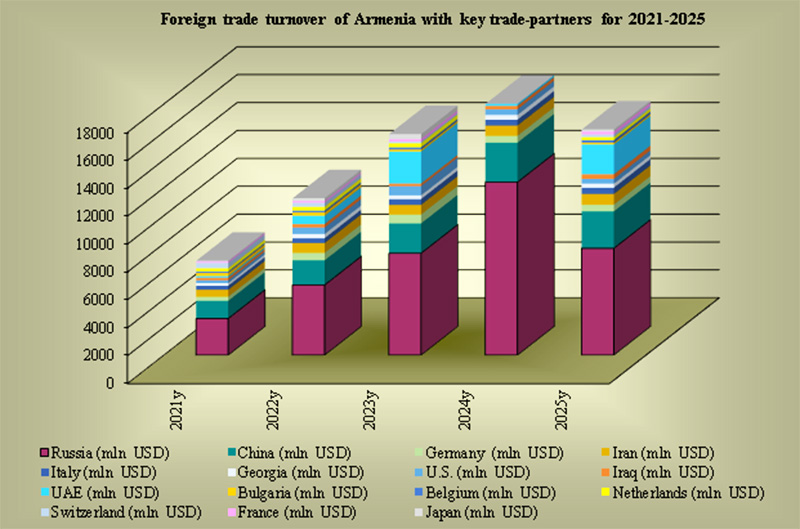
Recall that since May-June, Russia has introduced phased restrictions on the import of Armenian agricultural products. The official reason was cited as sanitary and phytosanitary violations and the lack of safety control by the authorized Armenian agencies. However, the real reason for the restrictions is the blatant anti-Russian steps of the Armenian leadership amid Yerevan's course toward rapprochement with the European Union. These "sanctions" have already led to a reduction in trade turnover: in the first five months of 2026, the volume of mutual trade between Armenia and Russia fell by 21.5% compared to the same period last year. Difficulties began in agro-export: due to the blockade of supplies during the summer peak season, the export of Armenian fruits, vegetables, and flowers showed a sharp decline of 74.5%. According to experts, the financial losses of businesses amount to tens of millions of dollars, creating a threat of mass bankruptcy for hundreds of greenhouse and farming enterprises.