

ArmInfo. The Luys Foundation has released an analysis of Armenia's socio-economic development for January–June 2026.
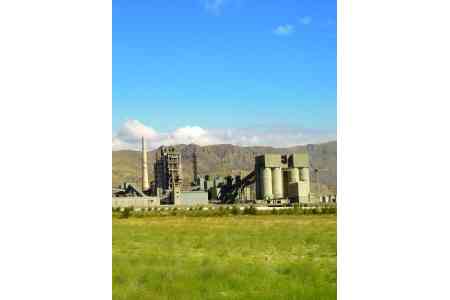
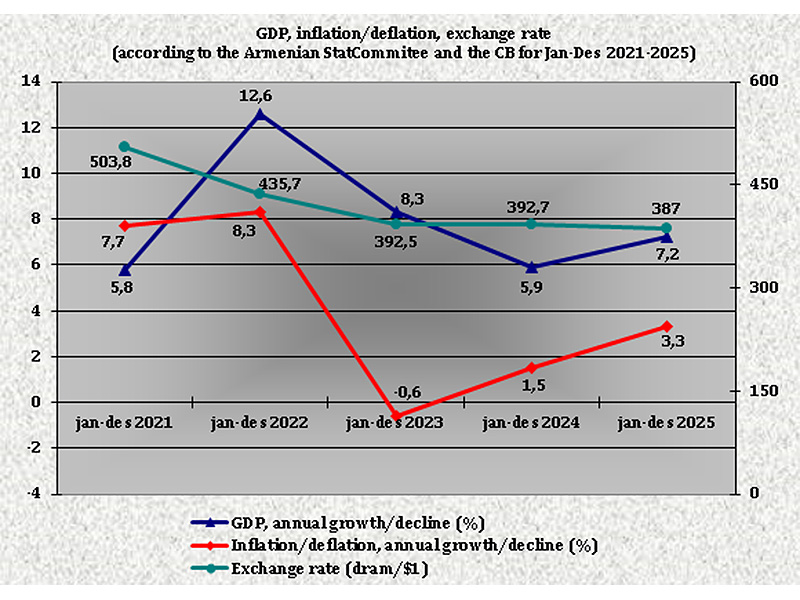
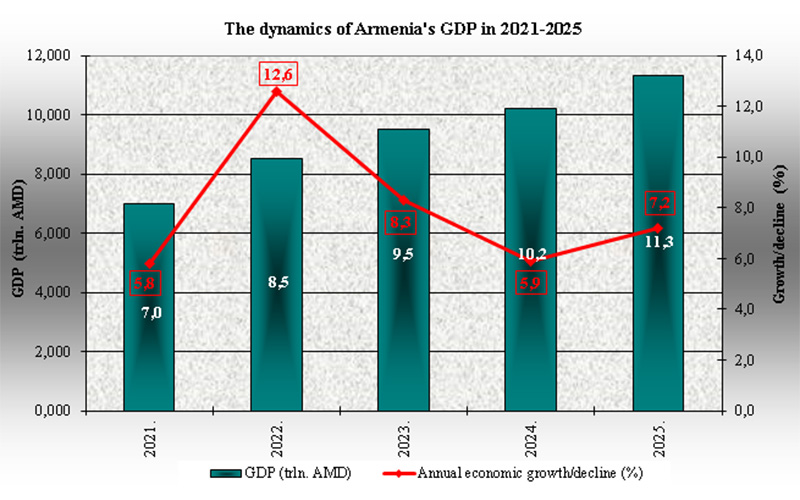
According to the report, economic activity growth slowed in June 2026, dropping to 7.7% compared to 11.7% in May. For the first half of the year, cumulative economic activity growth stood at 7.9%, primarily driven by the service sector, industry, and construction, which contributed 3.8, 3.0, and 1.7 percentage points, respectively. However, concerns remain regarding the structure of this growth. Specifically, monthly industrial growth slowed to 4.0% in June, and data from January through May indicates that growth remains heavily concentrated in mining and a few isolated sub-sectors.
The agricultural sector recorded an 11.9% decline in January–June, erasing roughly 1.1 percentage points from overall economic activity growth. This deepening slump may also be exacerbated by export restrictions introduced by the Russian Federation. A definitive cause-and-effect link can be established once detailed sectoral and foreign trade data are published. If this correlation is confirmed and restrictions persist, the negative fallout could spread to the food processing industry, transport, trade, and related services.
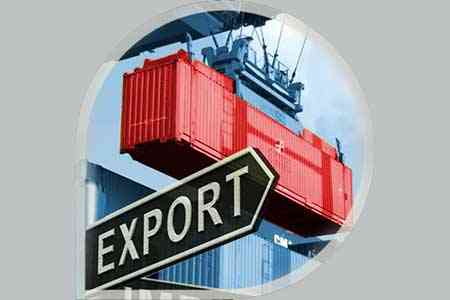
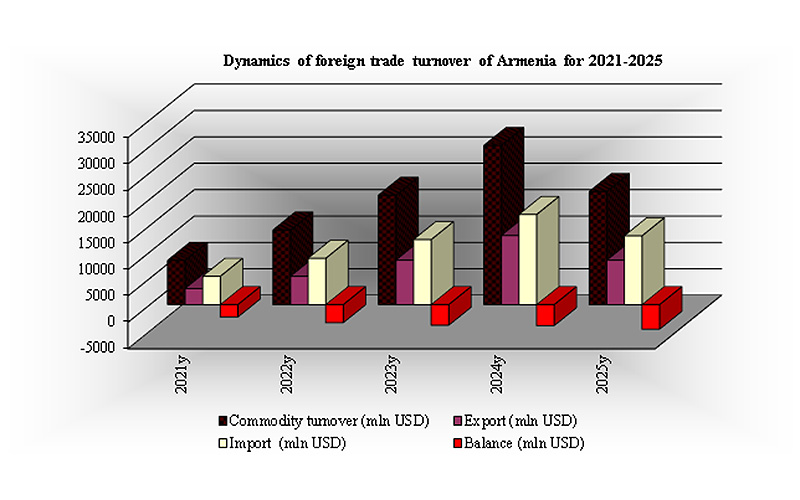
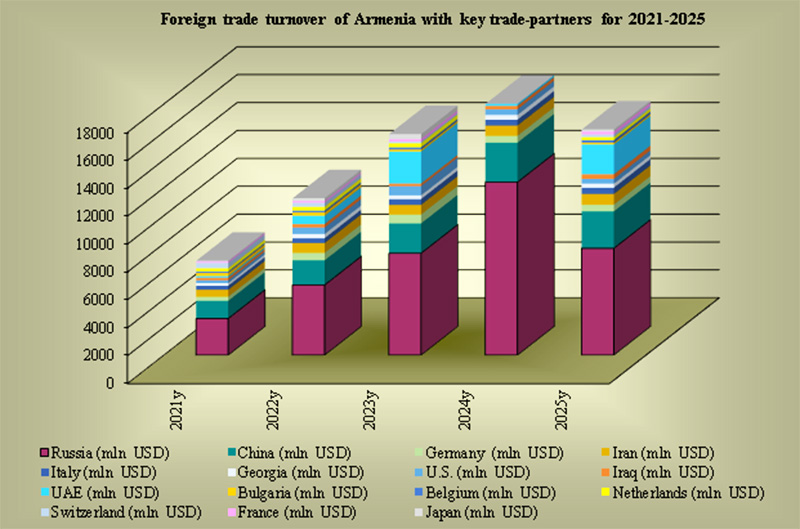
Foreign trade performance deteriorated in June and remains volatile. In June alone, exports shrank by 20.5%, deepening the cumulative decline to 6.7%, while imports grew by 8.6%, yielding an aggregate trade growth of 4.0%. This stark divergence heightens the risks of a worsening foreign trade balance. Under the weight of ongoing restrictions from the Russian Federation, trade dynamics are projected to continue their downward trend.
High revenue growth in the fiscal sector remains, but concerns about the structure of expenditures and their execution are growing. From January to June, budget revenues increased by 14.7%, while expenditures increased by 7.0%, resulting in a surplus of 67.3 billion drams. Current expenditures increased by 16.1%, while capital expenditures decreased by 28.3%, resulting in a shortfall of 146.4 billion drams, or 40.8% of the six-month plan. As a result of the recorded surplus, instead of the planned deficit of 316.4 billion drams, the deviation between the planned and actual balance reached 383.7 billion drams. Thus, the surplus largely reflects the inefficiency of capital programs in particular and, in itself, indicates the ineffectiveness of the current spending policy. Inflation and lending policies also require further attention.
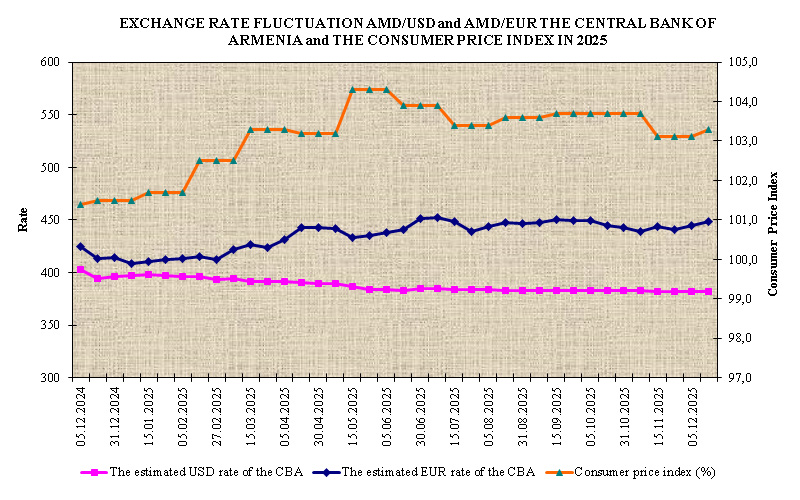
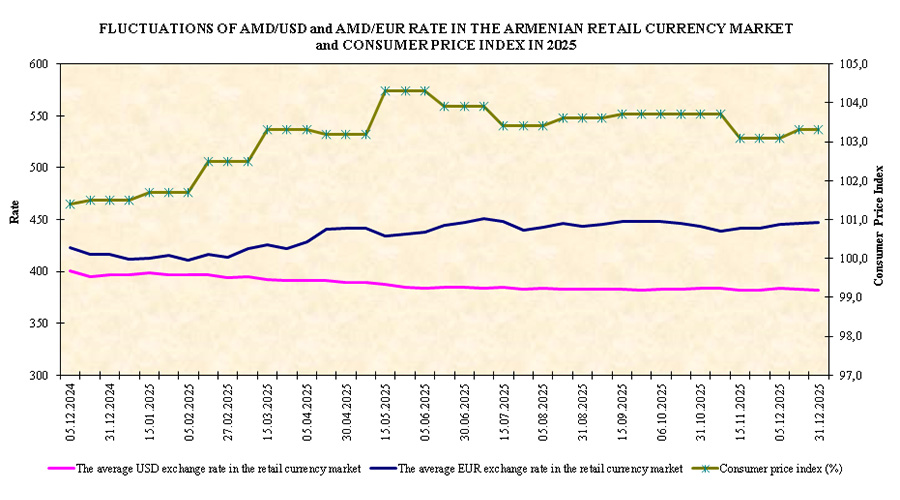
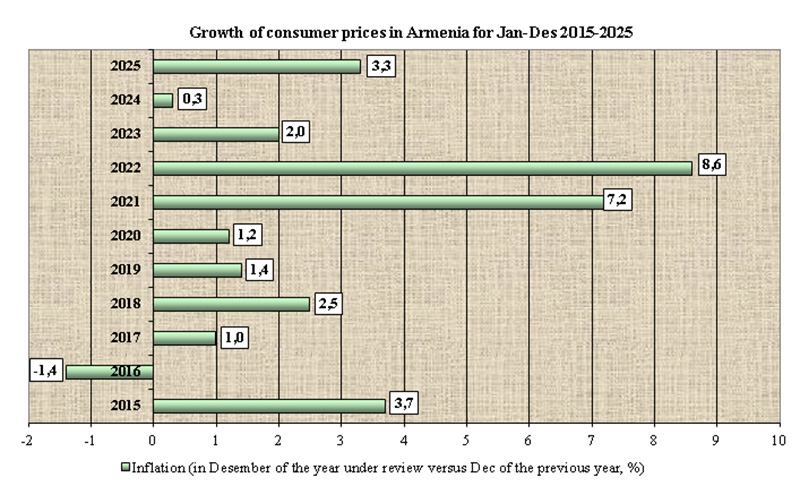
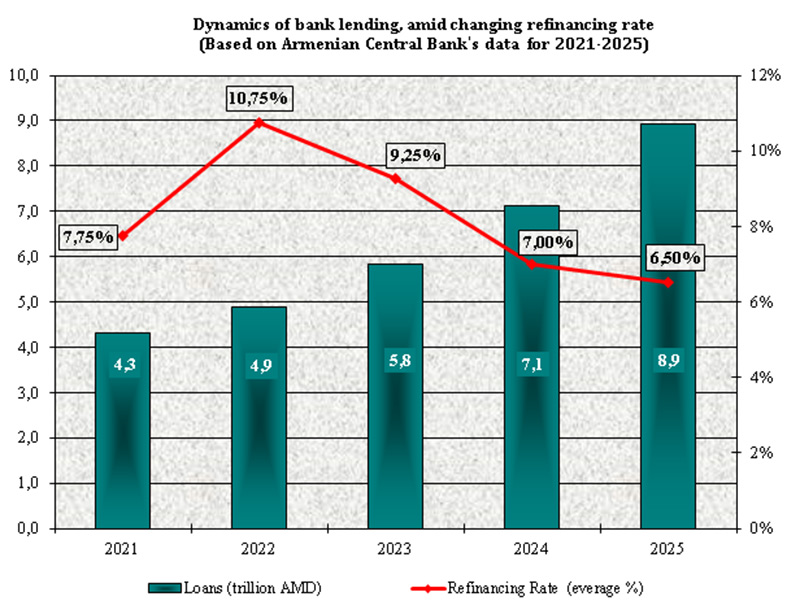
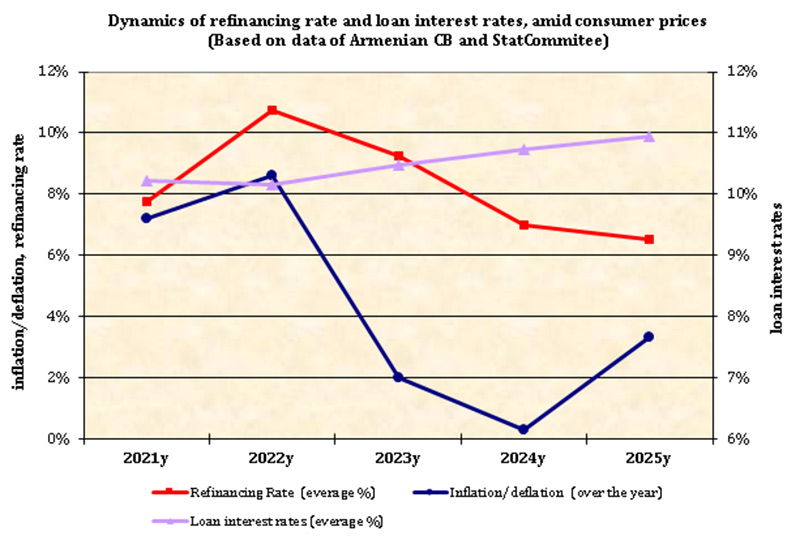
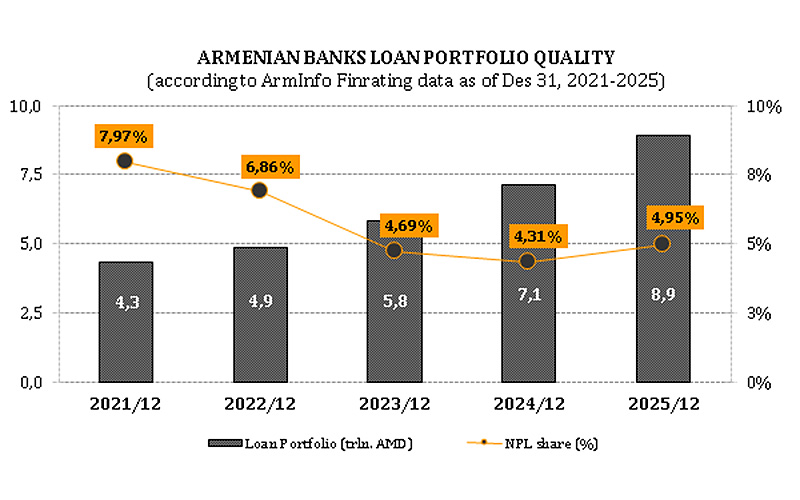
In June, 12-month inflation accelerated to 5.1%, exceeding the Central Bank's target range of 3% (+1%). At the same time, annual growth in deposits and loans amounted to 20.6% and 24.4%, respectively. High lending growth, while supporting economic activity and domestic demand, could also maintain inflationary pressure and increase risks associated with loan quality and household debt burden.