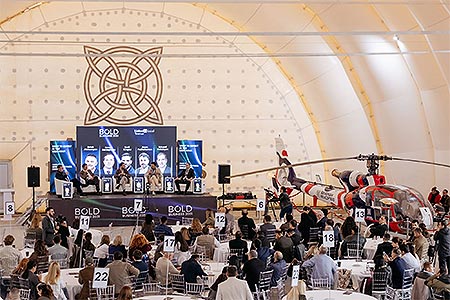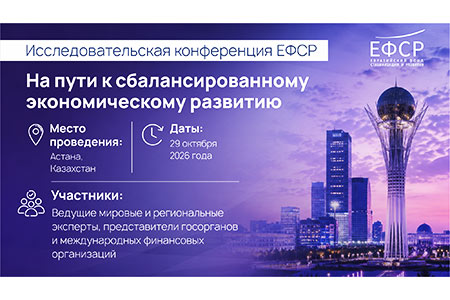
ArmInfo. The Eurasian Fund for Stabilization and Development (EFSD) will hold the International Economic Conference "Towards Balanced Economic Development" in Astana on October 29.
According to the EFSD press service, the conference will bring together representatives of economic policymakers, international financial organizations, and the expert and academic communities to discuss key factors for the long-term growth of the Eurasian economies.
The conference program is structured around practical aspects of economic policy: achieving balanced and sustainable growth, identifying the growth potential of Eurasian economies, demographic changes, and creating conditions for the growth of high-productivity employment.
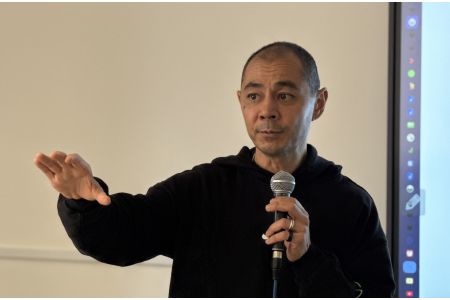
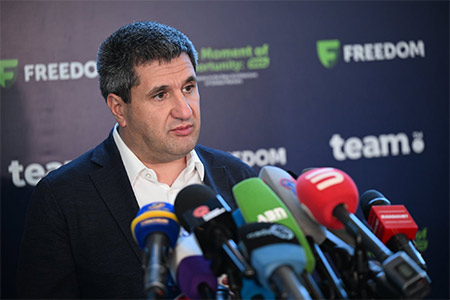
"Today, the question for the region's economies is not how to grow faster, but how to maintain sustainable growth in five, ten, or fifteen years. That is why we want to bring together in Astana the people who shape economic policy, analyze it, and make practical decisions. We invite colleagues to join this discussion – the more professional perspectives we have at the table, the more valuable the outcome will be,” noted Sergey Ulatov, Chief Economist of the EFSD.
The substantive part of the conference will open with a plenary session, "Maintaining the High Ground: Economic Policy Priorities in the New Cycle." Participants will discuss the combination of measures to support economic growth with macroeconomic stability objectives, as well as the structural and institutional reforms needed to enhance the long-term resilience of the region's economies.
A separate panel session will be devoted to the presentation of the EFSD's flagship report, "Economic Growth, Demography, and the Labor Market: Expectations and Reality." The report presents the results of a comprehensive analysis of labor markets in Armenia, Kazakhstan, Kyrgyzstan, and Tajikistan. Participants will discuss the potential challenges for economic policy posed by labor markets, taking into account their specific characteristics, demographic context, and their relationship with economic growth. Particular attention will be paid to the challenges of creating high-productivity employment, labor migration, and informal activity.
Two roundtables will be held in the afternoon: "Growth Potential for Eurasian Economies: At the Intersection of the Desirable and the Possible" and "Growth that Creates Jobs and Jobs that Create Economic Growth."
The first panel will focus on assessing long-term growth opportunities, the role of institutional, technological, and demographic conditions, as well as investment activity, economic reforms, and their regional impact.
At the second, experts will discuss barriers to the development of the formal private sector, new sources of economic growth, the role of human capital, and incentives for creating high-productivity jobs.