


ArmInfo. Rosselkhoznadzor has asked Armenia to suspend veterinary certification of Modus Granum products destined for Russia, effective October 15. The restriction is proposed to remain in place until the company is inspected by specialists from the Russian agency, Agroexpert reports.
A corresponding request has been sent to the Food Safety Inspectorate of Armenia, according to Rosselkhoznadzor materials.
The restriction applies to products of the company under the agency's control, destined for Russian recipients. However, cargo shipped to Russia before October 15, 2026, will be cleared as usual. Modus Granum processes grain, produces flour, and produces animal feed. Information about the certification suspension is included in the list of restrictions on product imports from Armenia maintained by Rosselkhoznadzor.
The inspection is intended to confirm the enterprise's compliance with the veterinary and sanitary requirements of Russia and the Eurasian Economic Union. The agency's documents do not specify the inspection timeframe.
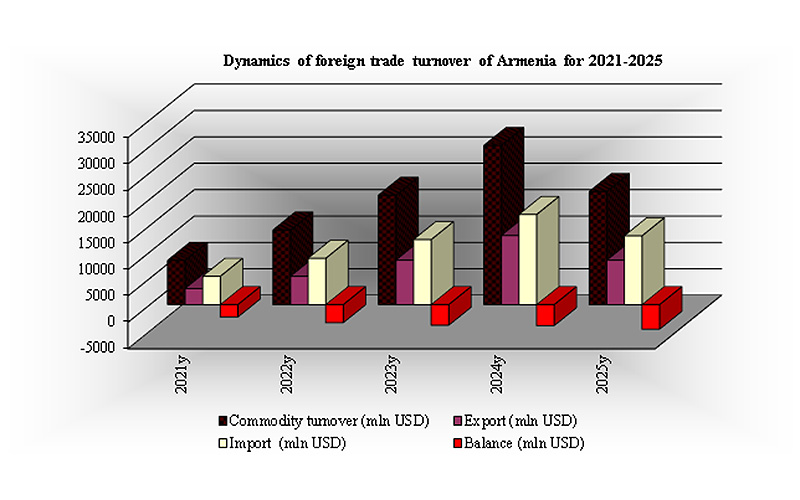
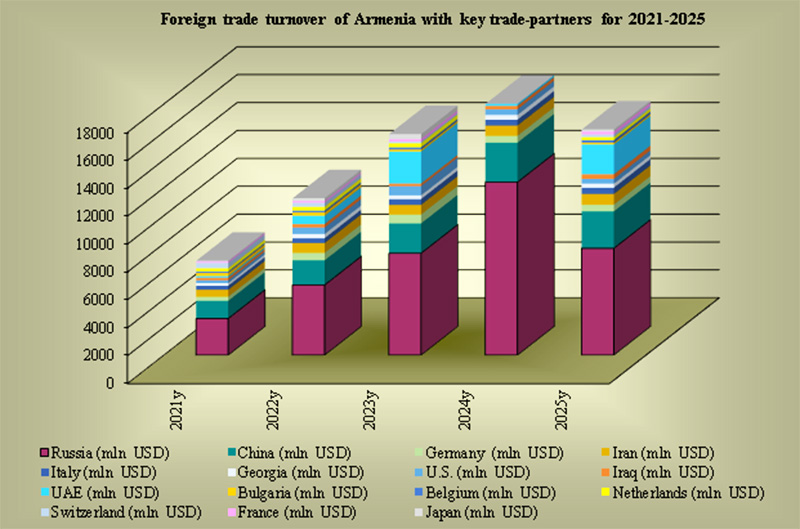
As a reminder, Russia introduced gradual restrictions on the import of Armenian agricultural products in April. The official reason cited was sanitary and phytosanitary violations and a lack of safety oversight by authorized Armenian agencies. The real reason for the restrictions, however, is the overt anti-Russian actions of the Armenian leadership, amid Yerevan's commitment to rapprochement with the European Union. These "sanctions" have already led to a reduction in trade turnover: in the first five months of 2026, mutual trade volumes between Armenia and Russia fell by 21.5% compared to the same period last year. Agricultural exports are facing difficulties: due to blockages during the summer peak season, exports of Armenian fruits, vegetables, and flowers have plummeted by 74.5%. Experts estimate that business losses amount to tens of millions of dollars, threatening the mass bankruptcy of hundreds of greenhouse and farm enterprises.