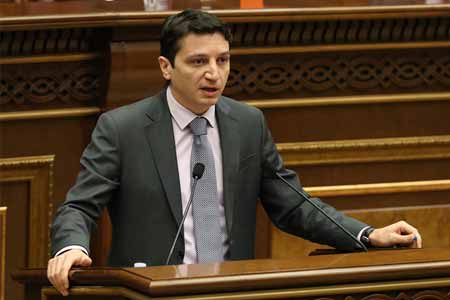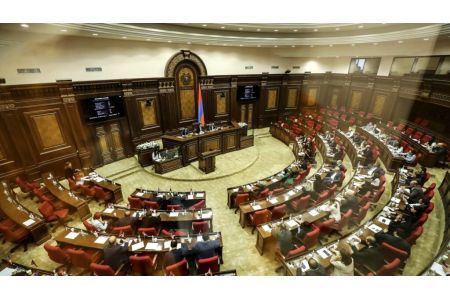



ArmInfo. Armenia's debt burden is three times higher than that of Azerbaijan and twice that of Georgia. Hayk Farmanyan, a member of parliament from the Strong Armenia opposition faction, stated this in a conversation with journalists in parliament on November 2, commenting on the draft state budget for 2027 presented by Prime Minister Nikol Pashinyan.
Farmanyan highlighted the cost of servicing the public debt as one of the key problems. According to him, interest payments on the public debt alone account for more than 10% of total state budget expenditures and exceed 3% of gross domestic product (GDP). "At the same time, if we compare these indicators with neighboring countries, particularly Azerbaijan and Georgia, Armenia's debt burden is three times higher than that of Azerbaijan and twice that of Georgia. I asked whether these figures are alarming and what measures the authorities intend to take given the current situation. Armenian Finance Minister Vahagn Hovhannisyan responded that these figures do not cause them concern, as they are in line with international indicators. However, I do not share this view, as there is a problem with sustainable public debt management," the opposition figure noted.
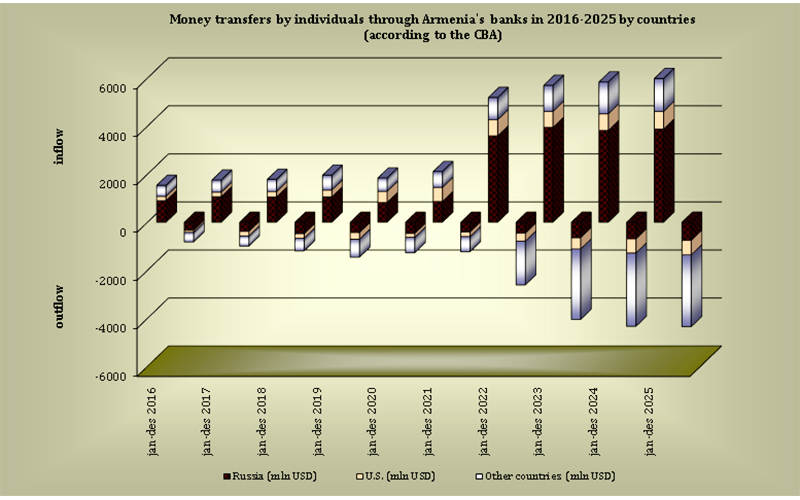
The MP cited the Eurasian Economic Union (EAEU) report as another cause for concern. He noted that in response to the assessments presented in it, the Finance Minister and other officials have stated that the figures cited are inconsistent with reality and incorrectly calculated. Meanwhile, Farmanyan noted that if two possible scenarios materialize—an increase in gas prices and a ban on money transfers—Armenia could face serious economic and social consequences. "We are talking, in particular, about remittances totaling approximately $1.8 billion. A certain portion of the country's population depends on funds coming from abroad, so a possible restriction on remittances could significantly impact the social situation of citizens," the MP explained.
In conclusion, he drew attention to the difference in estimates of the possible economic impact: while the Minister of Finance speaks of consequences at the level of 1% of GDP, the Minister of Economy cites a figure of 7%.
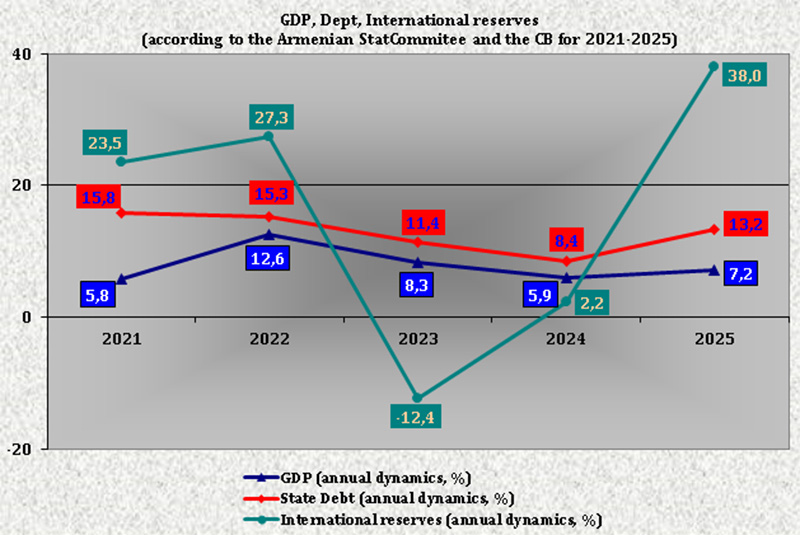
It should be noted that Armenia's public debt as of July 1, 2026, amounted to $14.543 billion, which led to an increase in the per capita debt burden to $4.7 thousand. Moreover, there has been a steady increase in this indicator compared to previous periods (by the beginning of 2025, the debt was over $12.8 billion).