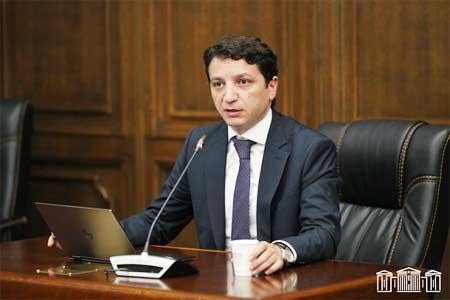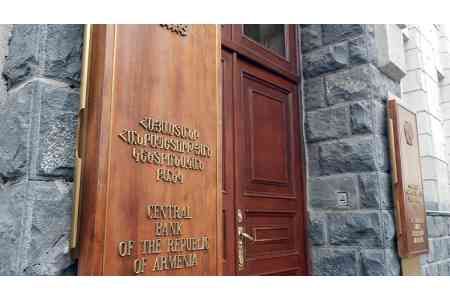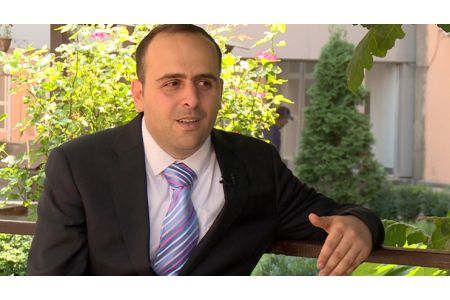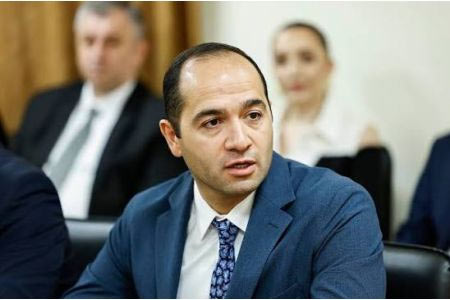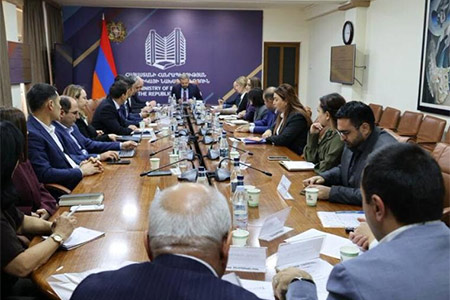


ArmInfo. The Central Bank of Armenia, when assessing the draft state budget of the country for 2027, is guided by the program of the Basic Economic Law, the stability of public debt over the medium term, measures aimed at ensuring macroeconomic stability, as well as assessments concerning the provision of long-term economic growth. Chairman of the Central Bank of the Republic of Armenia Martyn Galstyan stated this on November 19, presenting the Central Bank’s conclusion on the draft state budget for 2027 to the National Assembly.
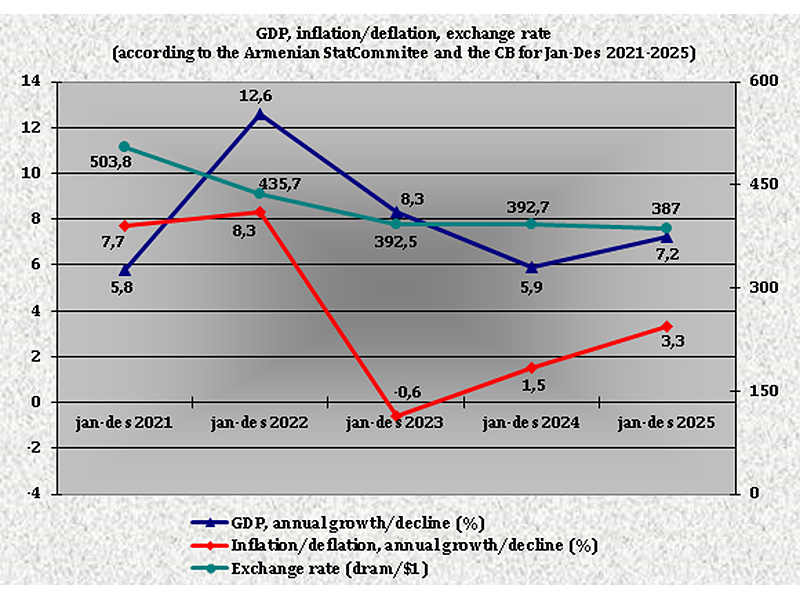
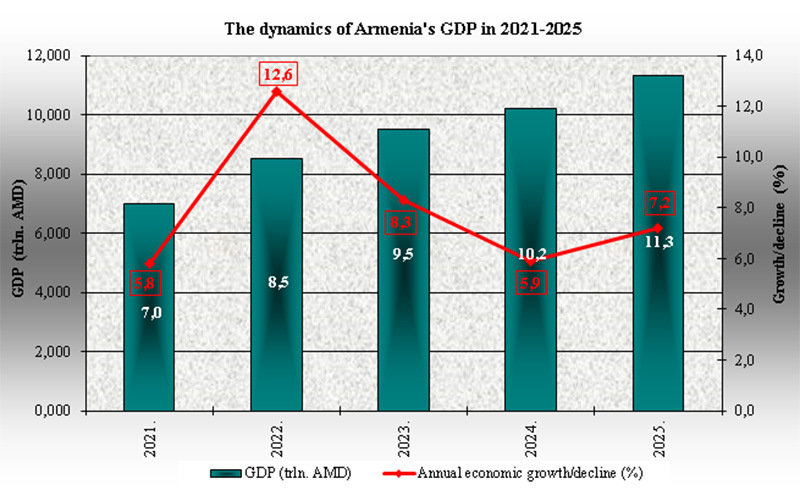
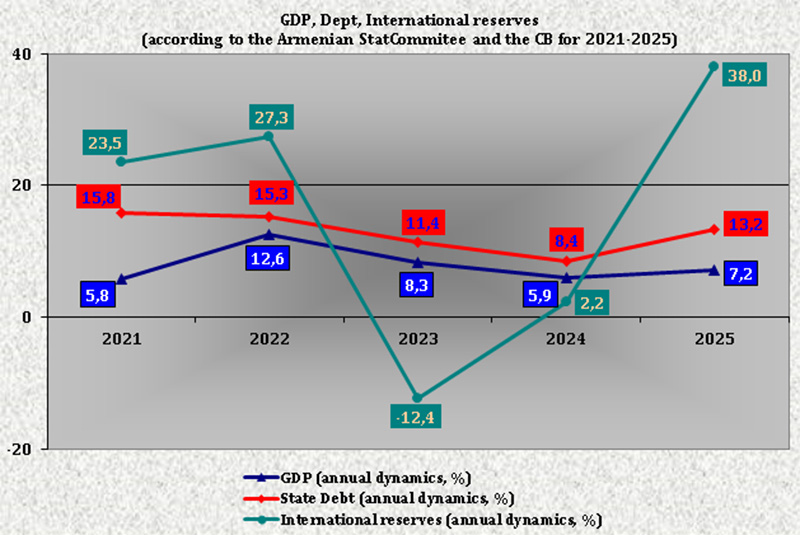
According to him, the draft state budget provides for efforts to build a competitive economy and increase its resilience, ensure the attraction of major investments in the development of the economy and infrastructure, as well as unlock the potential of human capital. The CBA chief recalled that, according to government data, the country’s economy has recorded growth of 5-5.5 percent in recent years. In the coming years, ensuring sustainable GDP growth will depend on increased labor productivity, support for export growth, attracting investment and improving the investment environment.
The CBA chairman pointed to the importance of using reserve funds in the event of possible macroeconomic risks, noting that geopolitical uncertainty creates risks for all economies. Martyn Galstyan emphasized that Armenia’s draft state budget for 2027 provides for the creation of a reserve fund amounting to 0.3-0.6% of GDP. He noted that, in order to manage fiscal risks, the creation of a liquidity buffer in the treasury stabilization account amounting to at least 1% of GDP is also envisaged. According to him, the draft budget provides for an analysis of risks and uncertainties associated with possible deviations from the macroeconomic assumptions and forecasts underlying it. According to the chief banker, within the framework of scenario analysis, possible directions for adjusting budget flows and fiscal policy parameters in the event of the corresponding risks materializing were assessed. The head of the regulator said that, in the event of adverse circumstances, the application of additional tax administration measures and a review of spending priorities and expenditure frameworks are envisaged, while significant pressure on fiscal sustainability could also lead to a review of medium-term fiscal policy parameters. Galstyan emphasized that these mechanisms are important prerequisites for effective management of fiscal risks. The CBA chief recalled that the draft budget provides for economic growth of 5.8%. He noted that, according to the government’s assessment, the growth potential of the Armenian economy is 5-5.5% per year, so the projected growth is close to this level. "According to the government’s estimates, Armenia’s economic growth potential is between 5 and 5.5 percent per year. In other words, according to the government’s assessment, we will not see significant growth above this potential," Galstyan said. He emphasized that in recent years, economic growth has also been driven by temporary factors related to imports, exports and re-exports. According to Galstyan, their impact is being significantly neutralized, and production and exports of Armenian products are becoming increasingly important for further growth.