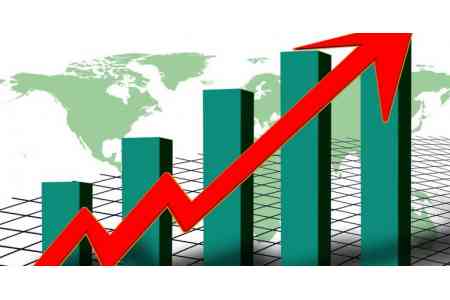
ArmInfo. According to the results of the first quarter of 2018, Armenia's GDP grew by 9.6% compared to the same period of the previous year (11% a quarter earlier). Support for growth continues to have both internal and external economic factors. A significant contribution to maintaining high rates of economic growth in the I quarter has been the expansion of consumer demand amid rising wages and the continuing double-digit growth in remittances of labor migrants. This is stated in the June Macroview of the Eurasian Development Bank (EDB).
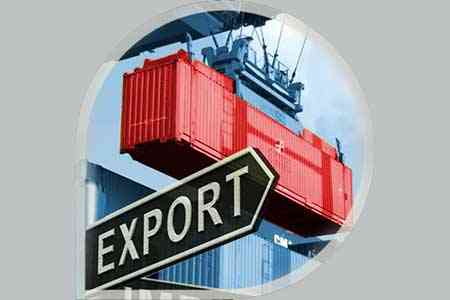
The volume of retail trade in the first quarter increased by 3.7% compared to the first quarter of 2017. Restoration of external demand and successful implementation of the plan of measures to stimulate exports have allowed for the third year to maintain a leading position in export development in the formation of economic growth.
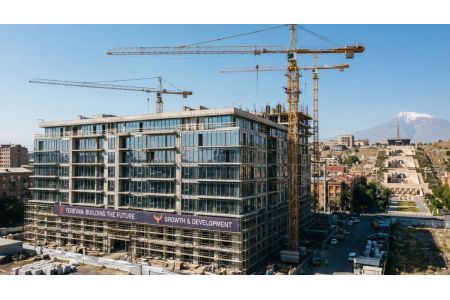
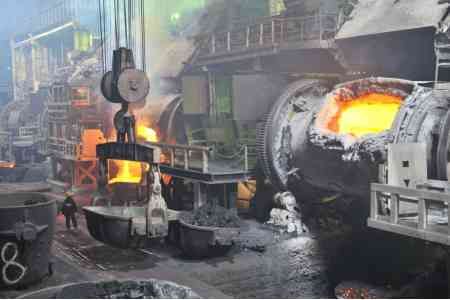
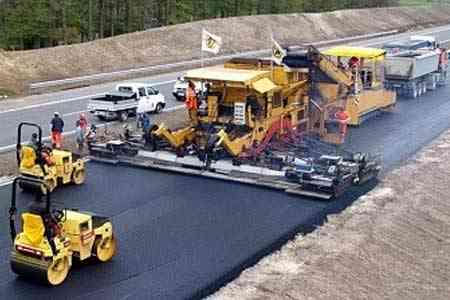
As a result of the first quarter, the value of exports increased by 34.4% compared to the same period last year. At the same time, the expanding import of goods (the growth of the value volume in the first quarter of 2018 by 39% by the 1st quarter of 2017) continued to have a deterrent effect on economic activity against the backdrop of an increase in domestic demand. The effect of the base was reflected in the acceleration of growth in the first quarter in construction and agriculture, where output increased by 23% and 2.2% respectively compared to the same period last year. Several reverse dynamics in the industry, where, despite significant support from external and internal demand, the annual growth rate in the I quarter slowed to 8.2% compared with 16.2% a year earlier.
The improvement in the forecast for Armenia's sovereign rating also indicates positive economic dynamics. In March, the international rating agency Moody's confirmed the sovereign rating of the Armenian government's issuer of foreign currency and local currency debt at B1, improving the outlook from stable to positive.
Leading indicators, calculated by the ECE, indicate the continuation of high economic activity in the second quarter of this year. This is when calculating the leading indicator indicates the dynamics of such indicators as the volume of loans to industrial banks and the volume of remittances of individuals.
Expanding economic activity in the first quarter of 2018 continued to exert an inflationary pressure. As a result, the annual growth rate of the consumer price index in March 2018 reached 3.7%, approaching the target set by the Central Bank of 4%. Pressure on consumer prices was also exerted by an increase in excise taxes on fuel, alcoholic beverages and tobacco products, which is due to the introduction of amendments to the Tax Code in connection with the need to harmonize tax legislation within the framework of the EAEU.
In the first quarter of 2018, Armenia's public debt continued to grow and reached about $ 6.9 billion. The increase in debt by $ 112.5 million since the beginning of this year was mainly due to the attraction of external government debt (an increase from the beginning of the year by $ 70.5 million).
In 2018, it is forecasted to maintain high rates of economic growth. Stimulating monetary conditions and expansion of external demand will support economic activity. It is expected that the country will continue to implement structural changes in the economy that are capable of increasing potential growth rates, primarily due to export-oriented industries. As a result, GDP growth in 2018, according to EDB analysts, will be 5.6% and by 2020 it will stabilize at about 5%.
Inflation in 2018 will be 4.1% and in the medium term it is forecasted near the target benchmark of the Central Bank. The upward pressure on prices this year, according to the Bank's estimates, will be driven by domestic demand and an increase in the excise tax rates. Increasing inflationary pressures will cause a gradual reduction in monetary stimulation of the economy. A planned increase in the refinancing rate to its neutral level, estimated by the EDB at 7-7.5%, is expected.