


ArmInfo.If panic persists in the oil market and the devaluation of the Armenian dram continues, prices will rise in the domestic market of Armenia. A similar point of view is held by an economist, Ph.D. in economics, Suren Parsyan.
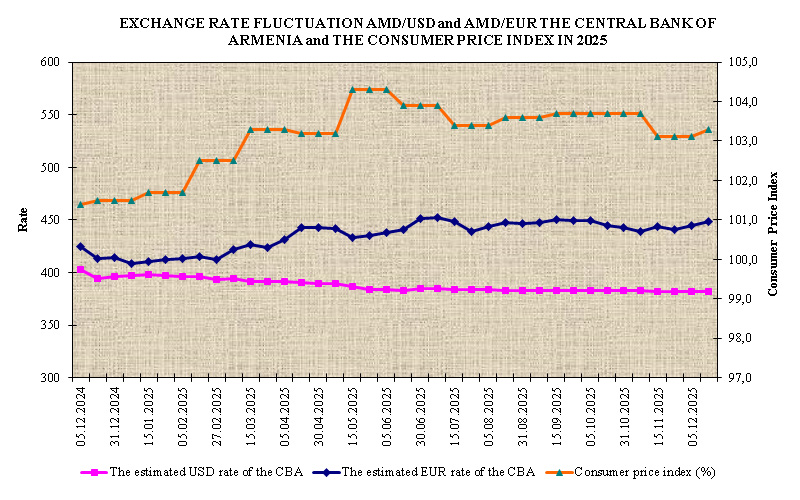
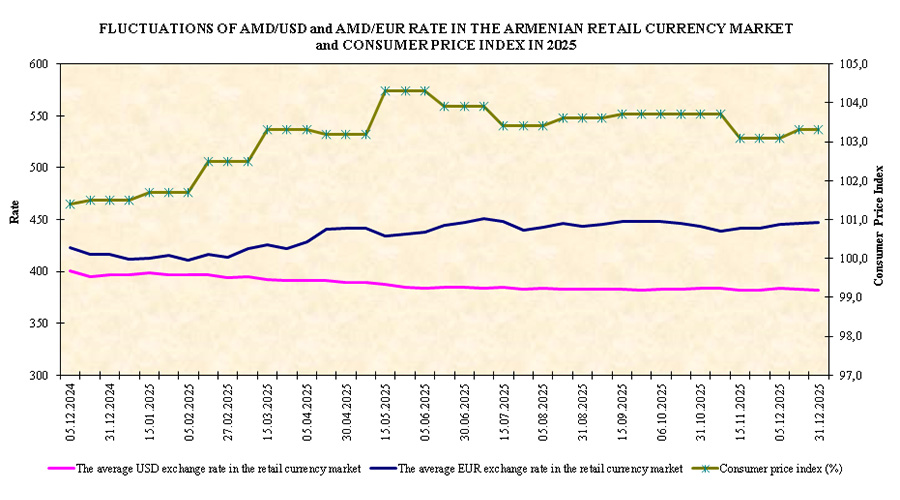
Commenting on the situation to ArmInfo correspondent, the economist noted that there are several reasons for panic in the oil market. First of all, these are secret and overt economic wars - the USA with China, the USA with Russia, Russia with Saudi Arabia and others. These wars slow down the global economy. The economist believes that the coronavirus epidemic also played an important role in the fall in oil prices, as a result of which entire regions of China were isolated from the rest of the world. As a result, the volume of purchases of China's oil and gas, copper and other raw materials decreased significantly, which, in turn, led to its oversupply on the market. The refusal of Saudi Arabia to reduce oil production, and, as a result, Russia's refusal to return to the negotiating table for the OPEC + deal, led to a 30% drop in world oil prices. On the London Stock Exchange, Parsyan continued, oil was trading today at a price of $ 31 per barrel. As a result, the economist continued, there is a downward trend of Russian ruble, which at the time of release of the material was already 72 rubles for $ 1. The Central Bank of Armenia could not but respond to this phenomenon, the manifestation of which was the appreciation of Armenian dram to the dollar within 482 drams. This is natural, the economist believes, because otherwise, Armenian products in the Russian market, which is the main export destination, will rise in price and become uncompetitive. In turn, imported goods will rise in price, which will affect the increase in prices on the domestic market of the republic, the economist believes. Note that the cost of Brent crude futures immediately after the opening of trading on March 9 fell by 30% - from $ 45 to $ 31.02 per barrel. This is the biggest drop in Brent prices in a day since the Gulf War in 1991, Bloomberg writes. The price of WTI oil after opening fell by 27% to $ 30. Due to a sharp drop, trading on the exchange was suspended for several minutes. At the time of publication, Brent was trading at $ 34.2 per barrel - 24.5% cheaper than at the close of trading on Friday. WTI lost 25.4% and cost $ 30.81.
Recall that Saudi Arabia has notified some market participants of its intention to significantly increase oil production up to 12 million barrels per day. In April, Saudi Arabia intends to increase oil production from the current 9.7 million b / s to more than 10 million b / s, which in the realities of the oil market is "equivalent to declaring war", and if necessary, above a record 12 million b / s. In addition, Riyadh on Saturday offered some of its crude oil at a much lower price - lower by $ 6- $ 8 per barrel - to customers in all regions. Officially, discounts are planned to be announced today.
Saudi oil company Saudi Aramco offered Arab Light crude oil to refineries in northwestern Europe at a discount of eight dollars per barrel. Traders believe that the goal of this step is to prevent Russian companies from selling their oil in Europe and returning them to the negotiation table for the OPEC + deal.