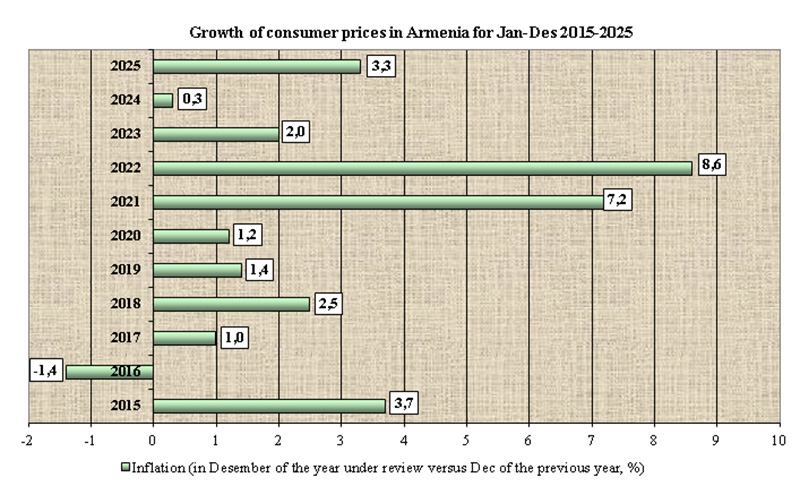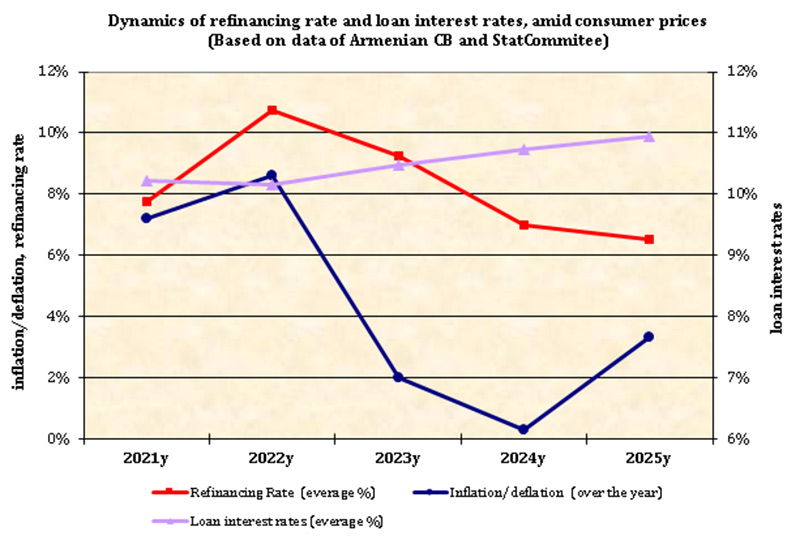



ArmInfo.In Armenia, by the end of 2020, inflation will be in the range of 1.7-2% - near the lower border of the permissible range. A similar forecast on July 28 at a press conference timed to the meeting of the Council of the Central Bank of Armenia regarding the refinancing rate (left at the same level of 4.5% - Ed.), Was announced by the Chairman of the Central Bank of Armenia Martyn Galstyan.
"We still continue to pursue a policy of low inflation, which is fully justified based on the interests of the citizens of Armenia. Otherwise, we would have faced a 20-25% increase in food prices. And the result of our consistent actions is also the fact that we can safely reduce the refinancing rate without any attendant consequences, "said the head of the Central Bank. In addition, in this regard, he pointed to the high level of public confidence, which was formed thanks to the policy. "I consider it an achievement that the overwhelming majority of citizens are of the opinion about low inflation in the Republic of Armenia," he noted.
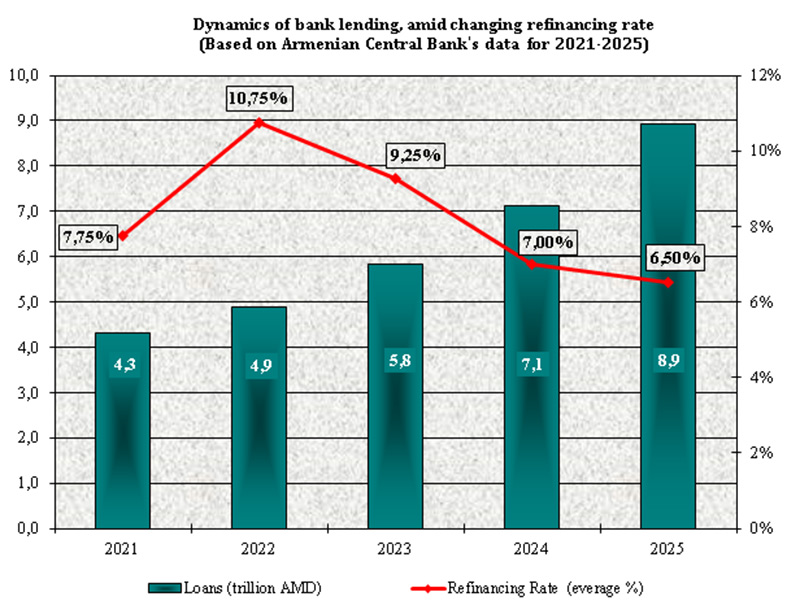
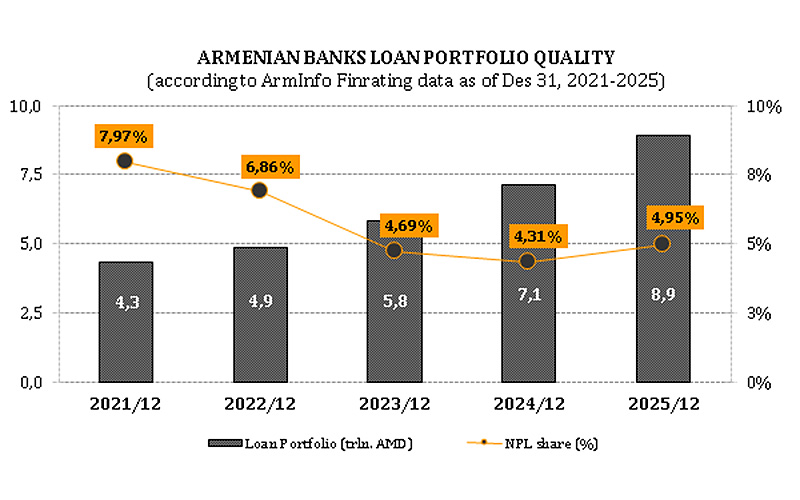
The head of the Central Bank noted that the decrease in the refinancing rate from March to June contributed to the fact that Armenia did not face an increase in credit rates. In this regard, M. Galstyan said that the volume of lending in the republic is growing, but in the conditions of the existing uncertainty in the economy, there is no perfection in the work of transitional mechanisms. However, according to him, this is typical of all countries of the world: "the risks accumulated in the real sector of the economy force banks to exercise caution in their credit policy."
Returning to the decision of the Central Bank Council on the refinancing rate, which has been kept at the same level, Martyn Galstyan noted: "In the second quarter, a significant weakening of the world economy and external demand was recorded in the external sector, which was consonant with the projected developments under the monetary policy program. At the end of the quarter, prices in the main commodity markets formed slightly higher than expected. At the same time, both developed and developing countries have continued to implement stimulating monetary and substantially stimulating fiscal policies. As expected, there will be no significant inflationary impact on the Armenian economy from the external sector.
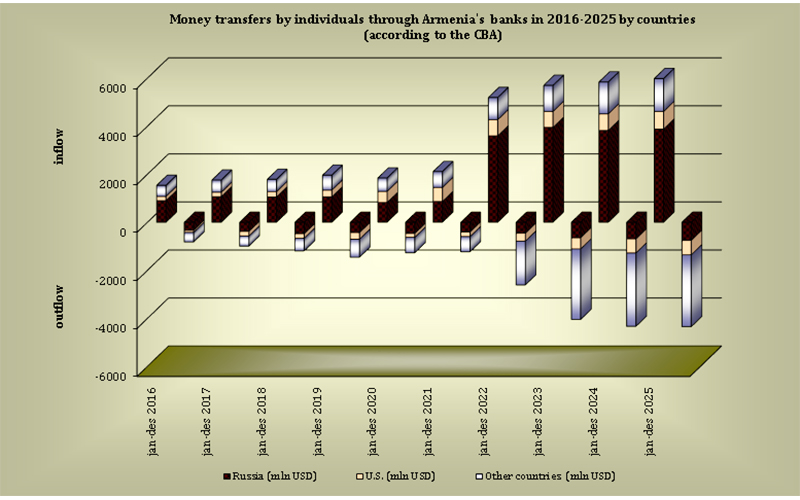
The head of the Central Bank noted that in the second quarter of this year, the decline in economic activity and domestic demand in Armenia was within the framework of the forecasts of the Central Bank. He explained that the decline in volumes was mainly manifested in the construction and services sectors, while the decline in the industrial sector was slower than expected. Due to the great uncertainty about the timing of overcoming the coronavirus pandemic, it is estimated that in the near future, domestic demand will remain weak, although remittances, which have decreased much less than expected, will have a certain positive effect. At the same time, according to the Central Bank's estimates, the current fiscal policy, in particular, the latest legislative changes in terms of income tax, will have a positive impact on both supply and demand.
Given that the actual development has come close to the forecasts of the monetary policy program for the second quarter, the Central Bank Board considers that the current monetary conditions are quite stimulating. At the same time, it is estimated that in the current situation it is necessary to maintain the stimulating effect in the medium term as well - this will gradually increase inflation and stabilize it at the end of the forecast horizon near the target threshold. Martyn Galstyan noted that in the current situation, fiscal stimulating policy is also key for the restoration of gross demand, especially through expenditures that contribute to the growth of the economy's potential.
"According to our estimates, the risks of inflation deviating from the planned rate are mostly directed towards the downside, which is due to a possible slowdown in demand recovery and the likely persistence of uncertainty. In the event of such risks, the Central Bank is ready to respond appropriately in order to ensure price stability in the medium term,> he concluded. It should be reminded that the previous three reductions of the refinancing rate by the Central Bank of Armenia, and twice by 0.25 percentage points. and the third by 0.5 p.p., dated March 17, April 28 and June 16, 2020 - from a total of 5.5% to 4.5%, in accordance with which the rates on lombard repo were reduced - from 7% up to 6%, and on deposits attracted from banks - from 4% to 3%. According to the Statistical Committee of the Republic of Armenia, in the consumer market of Armenia in the first half of 2019, inflation was recorded at 1%, against 0.1% inflation in the same period of 2019. On an annualized basis (compared to the first half of 2019), the consumer market recorded inflation of 0.5% (against inflation of 2% a year ago). In June 2020, against June 2019, consumer prices increased by 1.7% (against an increase of 2.5% a year earlier).