

ArmInfo.An International Monetary Fund (IMF) team led by Nathan Porter conducted discussions on the third review of Armenia's reform program supported by the IMF Stand-By Arrangement (SBA). According to the IMF's press release, discussions were held during September 2-November 16, 2020. At the conclusion of the discussions, Mr. Porter issued the following statement:
"We are pleased to announce that the IMF team has reached a staff-level agreement with the Armenian authorities on the conclusion of the third review under their economic reform program, which is supported by a three-year SBA. The agreement is subject to approval by the IMF's Executive Board, which is scheduled to consider this review in mid-December. About US$ 36.7 million (SDR 25.714 million) would become available to be disbursed immediately after the Board meeting. This financing will be allocated to the budget to help the authorities' efforts in meeting the urgent medical and socio-economic needs.
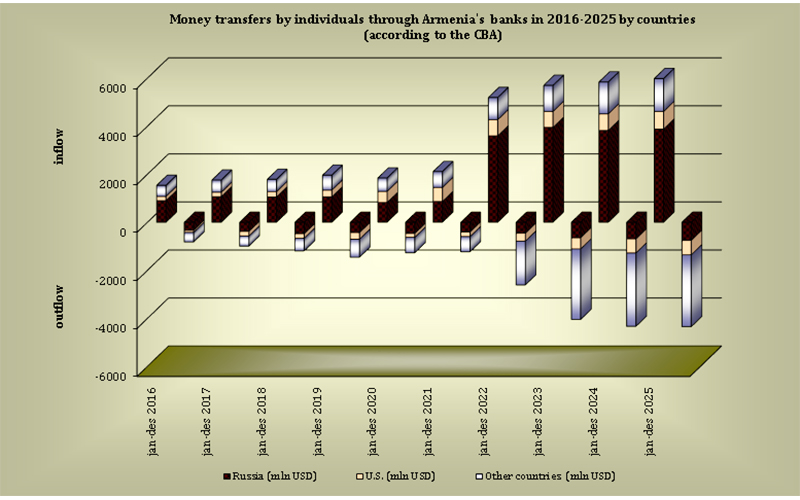
"Armenia's economy has been hard hit by the COVID-19 pandemic and the worst military confrontation since the early-1990s and is set to contract in 2020. These shocks have created domestic demand and supply disruptions and have been exacerbated by a sharp decline in export and tourism revenues, remittances, and to some extent, weaker capital flows. Real GDP is now expected to decline by over 7 percent in 2020. While uncertainty about the recovery is high, growth is projected to remain modest in 2021 and then pick-up as the economy gradually adapts to, and moves past, the impact of these shocks and associated economic scarring. Over the medium term, inflation should rise and gradually converge to its target from below. Near-term downside risks associated with external developments, an uncertain economic and political environment, elevated regional tensions, and the intensity and duration of the pandemic, are balanced against potential upsides from a faster recovery from the pandemic, more limited scarring, and faster reform implementation. "Key near-term priorities include supporting the most vulnerable while ensuring the adequate public health response to the second COVID-19 wave. As the recovery gains momentum, it will be essential to unwind the remaining temporary support measures.
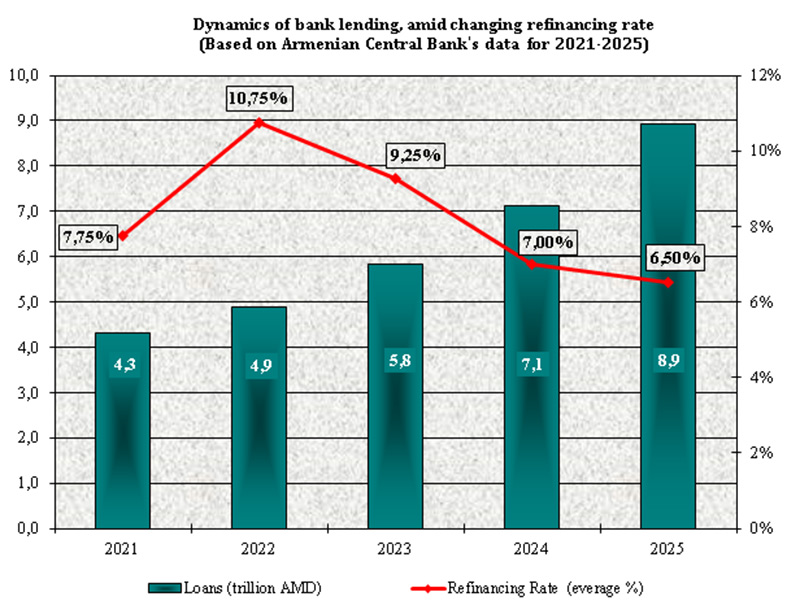
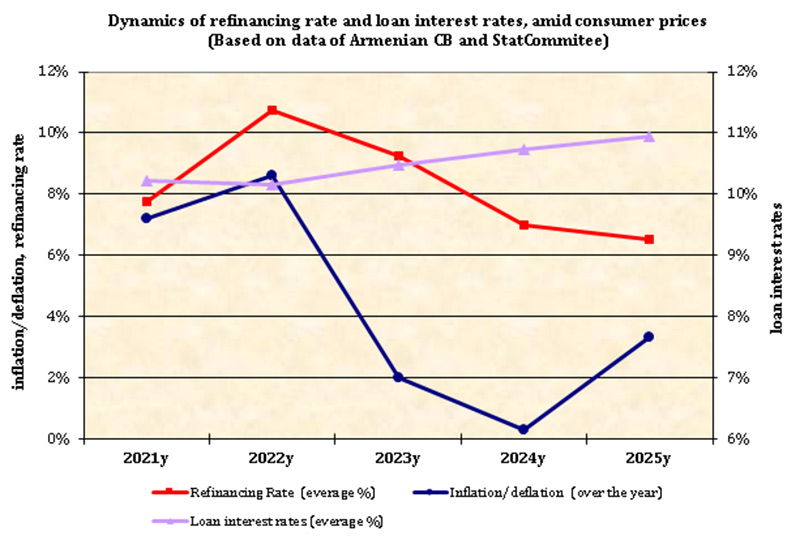
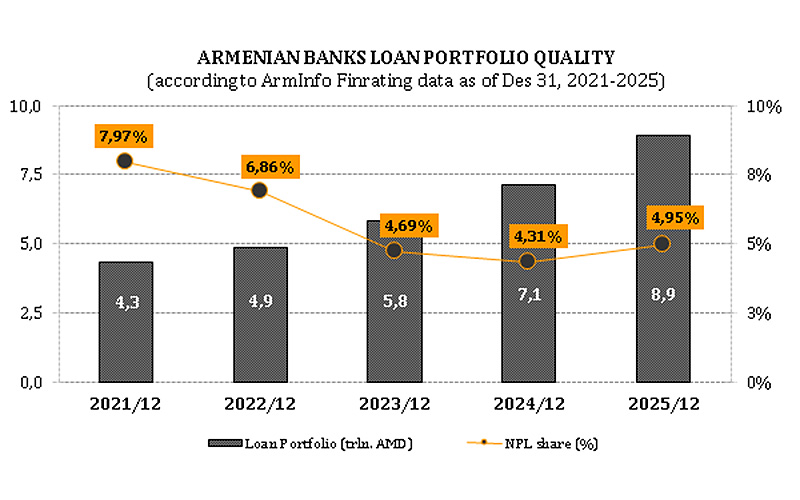
"Lower revenues and higher spending on healthcare, socio-economic support, and security will significantly raise the fiscal deficit and public debt in 2020. The fiscal deficit in 2020 is expected to widen to AMD430 billion (7 percent of GDP) before narrowing to AMD355 billion (5? percent of GDP) next year. The budget will be financed by mobilizing resources from domestic and external sources, including development partners. Government debt is expected to exceed 60 percent of GDP in 2020 and rise to around 69 percent in 2021. Staff welcomes the authorities' strong commitment to fiscal sustainability, guided by their fiscal rule, despite the pressures they are facing. To this end, the authorities will intensify revenue mobilization efforts, undertaking tax policy and administration measures, while containing current spending and safeguarding priority spending. As a result, central government debt is expected to gradually decline over the medium term and fall below 60 percent of GDP by 2026. "The current accommodative monetary policy stance is appropriate and helps ensure adequate liquidity in the banking system and support domestic credit. The Central Bank of Armenia (CBA) should monitor developments carefully and stand ready to adjust the monetary stance as necessary, while allowing the exchange rate to be a shock absorber. The financial system shows no signs of stress, but the full impact of the twin shocks is not yet evident. The CBA's regulatory and supervisory response to the shocks has been appropriately balancing the goals of preserving financial stability, maintaining banking system soundness, and sustaining economic activity. The CBA should continue identifying vulnerabilities and take any necessary actions.
"Despite delays partly inflicted by the twin shocks this year, the authorities have continued making progress on their economic reform agenda and are committed to staying the course. Reform priorities, among others, include making the public investment process more robust and efficient, strengthening the management of fiscal risks, enhancing fiscal governance and transparency, improving efficiency and fairness of the tax system to foster compliance and boost revenue collection, and strengthening the education sector and anti-corruption efforts."
To note, on May 17, 2019, the IMF approved the provision of a stand-by credit line to Armenia for a three- year "transit period" in the amount of SDR 180 million (equivalent to almost $ 248.2 million), or about 139.75% of Armenia's quota in the IMF. From this amount, it was planned to immediately receive SDR 25.714 million (equivalent to nearly $ 35.5 million) with the remainder foreseen based on six half- year estimates. A year later, in mid-May 2020, the IMF increased its financial support to Armenia by SDR 128.8 million (about $ 175 million), which, together with the authorities' intention to attract resources accumulated under the SBA, made it possible to receive SDR 206 million (about $ 280 million) payable immediately. These loan funds are aimed at strengthening Armenia's economic foundations and policies, as well as carrying out structural reforms, in particular, improving management efficiency and improving the business environment.