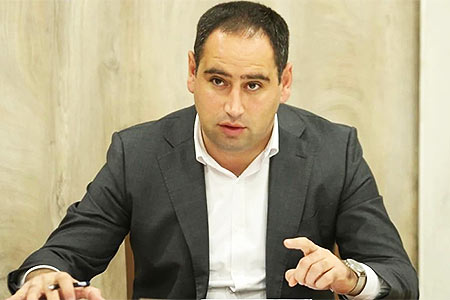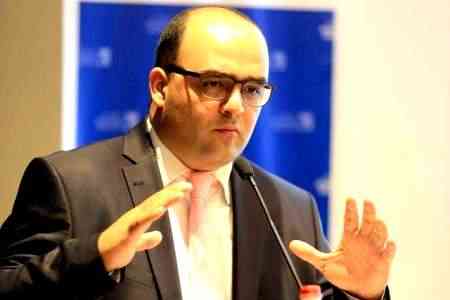
ArmInfo.The expected increase in electricity tariffs is, in fact, a consequence of the crisis in the Armenian energy system. Director of the Energy Security Institute, Doctor of Political Sciences Vahe Davtyan expressed this opinion in an interview with ArmInfo correspondent.
Of course, formally, the system continues to function, new capacities are being built, old ones are being modernized, but when considering the issue not within the framework of the consumer paradigm, but from the point of view of security, we inevitably face crisis trends, the expert said. And in this sense, what the authorities present as the reason for the increase in tariffs is, in fact, a consequence of the systemic crisis.
As Davtyan noted, PSRC, as well as Electric Networks, distinguish two basic reasons: the problem of operating the 5th power unit of the Hrazdan TPP and making payments on the loan raised for the modernization of the Armenian NPP. At first glance, everything looks more than objective, but upon a deeper consideration of the issue, we see the following.
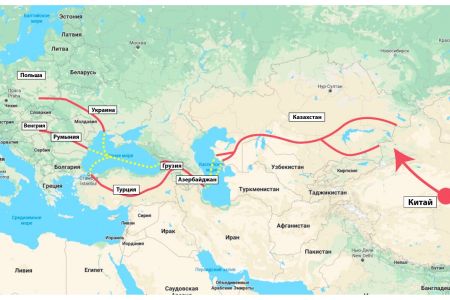
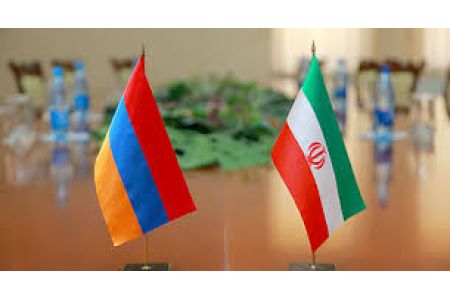
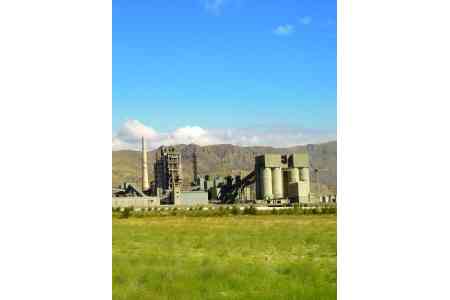
Firstly, the problems of Hrazdan-5 operation are caused by the failure of the export strategy to foreign markets, in particular, to Iran. Being one of the largest generating facilities in the country, Hrazdan-5 was initially aimed at boosting exports, and the entire business model of its operation was built on it, which, in particular, was directly related to the construction of the Iran-Armenia 3rd high-voltage overhead transmission line within the framework of the North-South electric power corridor (Iran-Armenia-Georgia- Russia). The power transmission line was supposed to be commissioned back in 2019, but to date, the project is, by and large, in a paralyzed state and is not even half ready. As a result, we are witnessing an intensification of the energy dialogue between Tehran and Baku with the decision to synchronize the power systems in the Iran-Azerbaijan-Russia logistics.
As for the internal economic effect, according to the gas agreements of 2013, the internal rate of return for the owner of the unit, the Gazprom Armenia company, must be 9%, this figure must be ensured, including the part `` Hrazdan-5".
This creates a serious load on the system, which inevitably affects tariffs as well. In general, as a result of the current situation, the owner of the unit has accumulated debts of up to USD 100 million and declares the need to invest EUR 16 million to repair the gas turbine.
As for the NPP, according to the expert, the payments on the loan form an additional tariff burden, so the problem again comes down to aserious lag behind the schedule of repair work at the plant. From the beginning of 2021, Yerevan began paying off the loan, while the NPP was connected to the grid only in mid-October. It turns out that , the Armenian side started payments in conditions when the nuclear power plant did not supply a single kilowatt to the network. In general, the increase in tariffs will inevitably affect the level of socio-economic security of the country, being reflected, first of all, in the growth of consumer prices, which had already grown by 6.9% in January-October, which, in turn, was also a consequence of the increase in the tariff for electricity by 3 drams in February this year.